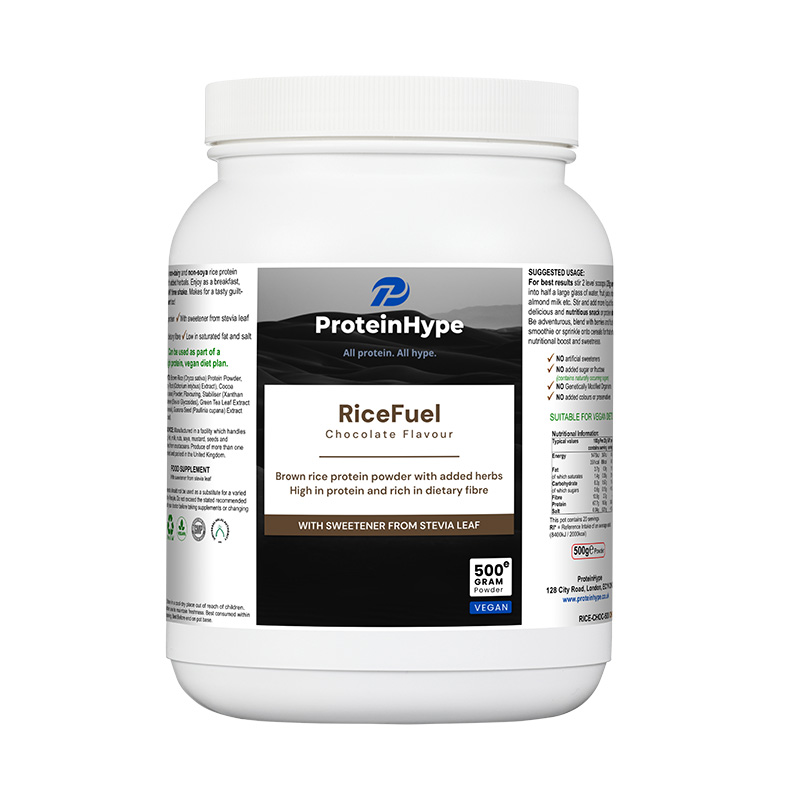
Protein supplements are often associated with bodybuilding, but you don’t have to be a competitive lifter to find them useful.
Protein powder is essentially a convenient, concentrated source of dietary protein. It can help when your normal meals don’t provide enough protein or when preparing a protein-rich meal isn’t practical.
The benefits of protein supplements therefore aren’t about powders having magical properties that ordinary food doesn’t have. Their main advantage is making it easier to get an appropriate amount of protein while fitting it around your diet, training and lifestyle.
This guide looks at five practical benefits of protein supplements, what the research actually tells us and when protein powder may — or may not — be useful.
If you’re completely new to protein, start with our Protein Guide for Beginners. You can also compare different protein sources in our Whey vs Plant Protein guide.
What Are Protein Supplements?
Protein supplements are products designed to provide a concentrated source of protein.
Common examples include:
- Whey protein
- Casein protein
- Pea protein
- Rice protein
- Hemp protein
- Soya protein
- Plant protein blends
They’re usually supplied as powders that can be mixed with water or milk or added to foods and recipes.
Protein supplements aren’t essential for a healthy diet, and they shouldn’t automatically replace nutritious whole foods.
Instead, think of them as a convenient option.
If you’re already getting enough protein from your normal diet, adding more protein powder won’t necessarily provide additional benefits.
But if you’re struggling to meet your requirements, that’s where the benefits of protein supplements become much more relevant.
Benefits of Protein Supplements at a Glance
| Benefit | Why It Can Be Useful |
|---|---|
| Convenient protein intake | Makes adding protein to your diet quick and straightforward |
| Supports muscle growth with training | Can help you reach an appropriate protein intake alongside resistance exercise |
| Supports recovery from exercise | Provides essential amino acids needed for muscle protein synthesis and repair |
| Helps meet higher protein requirements | Useful when training or other circumstances increase protein needs |
| Portable and versatile | Easy to use at work, while travelling or when preparing food isn’t practical |
Let’s look at each one more closely.
1. Convenient Way to Increase Protein Intake
One of the clearest benefits of protein supplements is convenience.
Whole foods should form the foundation of your diet, but they aren’t always convenient.
Preparing chicken, fish, eggs, tofu or another protein-rich meal takes more time than mixing a scoop of powder with water or milk.
Imagine you’ve calculated that you want approximately 120g of protein per day.
Your normal meals might provide:
Breakfast: 20g
Lunch: 30g
Dinner: 40g
That’s approximately 90g.
You could increase the protein in your meals or add another protein-rich whole food.
Alternatively, a protein shake could provide a convenient way to help cover some of the remaining amount.
That’s where the benefits of protein supplements become particularly clear.
They help solve a practical dietary problem.
If you’re unsure how much protein you actually need, our Protein for Beginners guide explains how to calculate a sensible starting target.
2. Can Support Muscle Growth Alongside Resistance Training
Supporting muscle growth is probably one of the best-known benefits of protein supplements.
But there’s an important distinction.
Protein powder doesn’t build muscle by itself.
Resistance training provides the stimulus, while adequate dietary protein provides amino acids your body can use during the processes involved in muscle protein synthesis and adaptation.
A major systematic review and meta-analysis involving 49 studies and 1,863 participants found that dietary protein supplementation significantly enhanced changes in muscle strength and size during prolonged resistance exercise training in healthy adults.
The researchers also found that protein intakes above approximately 1.62g per kilogram of body weight per day didn’t produce further gains in fat-free mass on average.
You can read the systematic review and meta-analysis on protein supplementation and resistance training for the full findings.
This demonstrates an important principle when considering the benefits of protein supplements:
More isn’t automatically better.
If you’re already getting sufficient protein, continually adding extra shakes doesn’t guarantee additional muscle.
The benefits of protein supplements are most relevant when they help you reach an appropriate intake alongside effective training.
For more on the overall muscle-building process, see our guide on how long it takes to build muscle.
3. Convenient Source of Protein Around Exercise
Another of the practical benefits of protein supplements is how easy they are to consume around training.
One of the benefits of protein supplements after exercise is that you don’t need to prepare a full meal immediately.
A shake is quick to make and provides protein without much preparation.
Whey protein is particularly popular in this situation because it provides all nine essential amino acids and is rich in leucine.
However, you don’t need to drink protein within 30 minutes of finishing your workout.
The idea of a tiny post-workout “anabolic window” is an oversimplification.
Your total protein intake across the day remains important, and what you ate before training also affects how urgently you need to eat afterwards.
If your last protein-containing meal was several hours before your workout, eating or drinking some protein afterwards can be a sensible option.
If you’ve recently eaten a substantial meal containing protein, there’s generally less urgency.
Our Pre vs Post Workout Protein Guide explains the evidence in more detail.
4. Helps When Your Protein Requirements Are Higher
The benefits of protein supplements can become particularly useful when your protein requirements are higher than those of a generally inactive adult.
People who exercise regularly may require more protein than the general population recommendation.
For healthy exercising individuals, the International Society of Sports Nutrition states that approximately 1.4–2.0g of protein per kilogram of body weight per day is sufficient for most people who want to build or maintain muscle.
You can read the ISSN position stand on protein and exercise for the full recommendations.
Getting that amount entirely from normal food is perfectly possible.
But depending on your body weight, appetite, schedule and food preferences, it may require more planning.
This is another situation where the benefits of protein supplements can make reaching your target easier.
Rather than dramatically changing several meals, you can use a measured serving when it genuinely helps you meet your daily target.
Protein intake may also be an important consideration as people get older because ageing is associated with changes in muscle mass and function.
However, protein supplements shouldn’t be presented as a standalone solution to age-related muscle loss.
Research examining older adults shows that resistance exercise is an important part of the picture, and studies investigating whether protein supplementation adds further benefits have produced varying results.
The combination of appropriate nutrition and resistance exercise is therefore more meaningful than simply adding a protein shake.
5. Portable and Easy to Fit Around a Busy Lifestyle
Convenience isn’t just about preparation time.
Portability is another of the benefits of protein supplements.
A portion of dry protein powder can be transported in a shaker or suitable container and mixed when required.
That can be useful:
- At work
- After the gym
- While travelling
- On long journeys
- During busy days
- When normal meal preparation isn’t practical
Unlike many perishable protein foods, dry powder can be easier to transport before it’s mixed.
Always follow the storage instructions on the product packaging, particularly once you’ve mixed a powder with milk or another perishable liquid.
Protein powder can also be incorporated into food rather than consumed as a conventional shake.
You could add it to:
- Porridge
- Yoghurt
- Smoothies
- Pancake mixtures
- Overnight oats
Our 5 Protein Shake Recipes give you some ideas if you’re bored with simply mixing powder and water.
Are Protein Supplements Good for Weight Management?
This needs a little more nuance than simply saying protein shakes cause weight loss.
They don’t.
Weight loss ultimately requires an appropriate energy deficit over time.
Protein can form part of that diet, and higher-protein foods may help some people with satiety.
But a protein shake still contains energy.
If you simply add a shake to everything you’re already eating without adjusting anything else, it won’t automatically cause weight loss.
One of the potential benefits of protein supplements in this context is convenience.
For example, a measured protein shake might help someone include protein in a meal or snack where they would otherwise consume very little.
Whether that helps with weight management depends on the person’s overall diet and energy intake.
Don’t treat protein powder as a fat-loss supplement.
Do Protein Supplements Give You More Energy?
Not in the way stimulants such as caffeine do.
Protein provides energy — like other macronutrients — but drinking a protein shake isn’t a reliable treatment for tiredness, poor concentration or “brain fog.”
The claim that protein automatically prevents blood-sugar crashes and provides hours of stable mental energy is too simplistic.
Meals containing protein can form part of a balanced diet, but energy levels are influenced by numerous factors, including overall food intake, sleep, hydration, activity and health.
If you’re experiencing persistent unexplained tiredness, don’t assume that increasing protein is the answer.
Do Protein Supplements Boost Your Immune System?
Protein is required for normal bodily functions, including components of the immune system.
But that doesn’t mean consuming additional protein powder “boosts” immunity if you’re already getting enough protein.
Protein deficiency can impair normal physiological function, but correcting an inadequate diet and taking extra supplements despite already meeting your requirements are different situations.
So immune boosting shouldn’t be treated as one of the primary benefits of protein supplements for a generally well-nourished person.
The better goal is simply to consume an adequate, balanced diet.
Are Protein Supplements Good for Hair, Skin and Nails?
Protein contributes amino acids used throughout the body, and structural proteins are important components of tissues such as hair and skin.
However, that doesn’t mean a protein shake will automatically make your hair thicker, improve your skin or strengthen your nails.
Changes to hair, skin or nails can have many possible causes.
If you’re already consuming adequate protein, there’s no good reason to assume that adding more powder will produce cosmetic improvements.
Persistent or unexplained changes are better discussed with an appropriate healthcare professional rather than treated by increasing protein intake without knowing the cause.
Whey vs Plant Protein Supplements
The benefits of protein supplements aren’t limited to whey.
The benefits of protein supplements can also come from plant-based powders, which provide a convenient source of protein.
Common options include pea, rice, hemp and soya.
Different proteins have different amino-acid profiles, protein contents, flavours and textures.
Whey naturally provides all essential amino acids and is particularly rich in leucine.
Plant proteins vary more.
That doesn’t mean plant protein can’t contribute effectively towards a muscle-building diet.
Your overall protein intake and diet matter, and combining different plant sources can provide a broader amino-acid profile.
You can compare the options in our Whey vs Plant Protein guide.
Do You Need Protein Supplements?
No.
This is important when discussing the benefits of protein supplements.
You can obtain all the protein you need from normal food.
Good dietary protein sources include:
- Meat
- Fish
- Eggs
- Milk and dairy products
- Soya
- Tofu
- Tempeh
- Beans
- Lentils
- Chickpeas
- Nuts and seeds
Whole foods also provide other nutrients, which is why protein powder shouldn’t automatically replace them.
The question isn’t:
“Does everyone need protein powder?”
A better question is:
“Would protein powder make it easier for me to meet my requirements?”
If the answer is no, you don’t need to use it.
If the answer is yes, a supplement can be a useful tool.
Common Protein Supplement Mistakes
Understanding the benefits of protein supplements also means understanding what they can’t do.
Treating Protein Powder as a Replacement for a Balanced Diet
Protein is only one component of nutrition.
You also need appropriate amounts of carbohydrate, fats, fibre, vitamins and minerals.
Don’t build your entire diet around shakes.
Assuming More Protein Means More Muscle
Once your requirements are being met, simply consuming more protein doesn’t guarantee greater muscle growth.
Training remains essential.
Automatically Adding Shakes to Your Diet
A shake contributes energy and nutrients like any other food or drink.
Use it because it fills a genuine gap rather than because you think everyone needs one every day.
Ignoring the Product Label
Protein content, serving size, allergens and additional ingredients vary between products.
Always check the current label.
Choosing a Supplement Before Looking at Your Diet
Work out roughly how much protein you’re already consuming before deciding whether you need to supplement it.
You may discover that your normal meals already provide enough.
How to Choose a Protein Supplement
If the benefits of protein supplements suit your needs, start by considering your dietary requirements.
If you consume dairy, whey may be suitable.
If you follow a vegan diet or avoid dairy, consider a plant-based option such as pea, rice, hemp or a blend.
Then consider:
- Protein per serving
- Ingredients
- Allergens
- Flavour
- Texture
- Serving size
- How you plan to use it
There’s no universally “best” protein powder.
The most appropriate choice is one that suits your diet and helps you achieve an appropriate protein intake.
ProteinHype offers protein powders including whey and plant-based options.
Benefits of Protein Supplements: The Bottom Line
The biggest benefits of protein supplements are practical rather than magical.
They provide a convenient and measurable source of protein, can help you meet higher protein requirements and can make it easier to consume protein around training or during busy days.
When combined with resistance training, protein supplementation can also support increases in muscle mass and strength, particularly when it helps bring total intake to an appropriate level.
But protein powder isn’t essential.
If you already get enough protein from a varied diet, you don’t need to add supplements simply because you exercise.
You get the most practical benefits of protein supplements when they solve a genuine problem: convenience, portability or difficulty meeting your daily protein target.
That’s the most useful way to think about the benefits of protein supplements — not as a shortcut to better health, but as a practical tool for getting enough protein when normal food alone isn’t convenient.
Note: This content is for informational purposes only and is not medical advice. Individual protein requirements vary. Speak to a qualified healthcare professional or registered dietitian if you have kidney disease, another medical condition, are pregnant or breastfeeding, or have concerns about your dietary requirements. Food supplements should not be used as a substitute for a varied, balanced diet.
Best Selling Protein Supplements
-

WheyFuel (Vanilla Flavour)
£39.99 — or subscribe to save 10% -
WheyFuel (Chocolate Flavour)
£39.99 — or subscribe to save 10% -
RiceFuel (Chocolate Flavour)
£16.99 — or subscribe to save 10%