Looking for protein shake recipes that go beyond simply mixing powder with water?
Protein shakes can be an easy way to add protein to your diet, but they don’t have to taste the same every day.
Fruit, yoghurt, nut butter, oats and other ingredients can completely change the flavour, texture and nutritional profile of your shake.
The trick is choosing ingredients that suit what you actually want from it.
Below you’ll find five easy protein shake recipes, including a post-workout option, a filling green shake, a chocolate recipe, a tropical shake and a berry version.
We’ve also included simple ways to customise each recipe so you can create your own combinations.
Not sure which powder to start with? Our Whey vs Plant Protein comparison explains the differences between the two.
Protein Shake Recipes at a Glance
| Recipe | Good For | Protein | Main Ingredients |
|---|---|---|---|
| Banana & Chocolate | After training | Chocolate whey | Banana, milk, peanut butter |
| Green Protein | Filling shake | Pea protein | Spinach, avocado, pineapple |
| Chocolate Peanut Butter | Chocolate lovers | Chocolate whey | Peanut butter, milk, ice |
| Tropical | Fruity alternative | Vanilla whey | Mango, pineapple, ginger |
| Berry & Yoghurt | Creamy berry shake | Vanilla protein | Berries, yoghurt, flaxseed |
These protein shake recipes are starting points rather than rigid formulas. You can adjust the liquid, fruit and other ingredients according to your nutritional requirements and preferred consistency.
1. Banana & Chocolate Post-Workout Protein Shake
The first of our protein shake recipes combines chocolate protein powder with banana and peanut butter.
It’s particularly convenient after training when you want protein alongside some carbohydrate.
Ingredients
- 300ml milk or suitable alternative
- 1 scoop Chocolate WheyFuel
- 1 banana
- 1 tablespoon peanut butter
- A few ice cubes
Method
- Pour the milk into your blender.
- Add the banana, protein powder and peanut butter.
- Add a few ice cubes.
- Blend until smooth.
- Add a little more liquid if you prefer a thinner shake.
Why These Ingredients?
Whey provides a convenient source of high-quality protein, while the banana contributes carbohydrate and gives the shake natural sweetness and a thicker texture.
Peanut butter adds flavour and fat while making the shake richer.
There’s no requirement to drink this immediately after your final repetition.
The International Society of Sports Nutrition explains that protein consumed either before or after resistance exercise can support muscle protein synthesis, while meeting your overall daily protein intake remains an important priority.
You can read its position stand on protein and exercise for more information.
For a deeper look at workout timing, see our Pre vs Post Workout Protein Guide.
2. Green Plant Protein Shake
Not all protein shake recipes need to taste like dessert.
This green version combines plant protein with spinach, avocado and pineapple for a thicker shake.
Ingredients
- 250ml unsweetened almond drink or another suitable liquid
- 1 scoop PeaFuel Blend
- 1 handful spinach
- ¼ avocado
- ½ cup frozen pineapple
- Ice, if required
Method
- Add the almond drink to the blender first.
- Add the spinach and avocado.
- Add the protein powder and frozen pineapple.
- Blend thoroughly until smooth.
- Adjust the amount of liquid to get your preferred consistency.
Why These Ingredients?
Pea protein provides a plant-derived protein source.
Avocado makes the shake creamier and contributes fat and fibre, while spinach and pineapple add fruit and vegetables.
Frozen pineapple also helps create a thicker, colder shake without needing lots of ice.
This is one of the easiest protein shake recipes to customise. Try swapping pineapple for mango or adding a little more liquid if you prefer a lighter texture.
If you’re new to plant proteins, read our Beginner’s Guide to Plant-Based Protein.
3. Chocolate Peanut Butter Protein Shake
Sometimes simplicity wins.
This is one of our protein shake recipes for anyone who wants something rich and chocolatey without needing a long list of ingredients.
Ingredients
- 300ml milk or suitable alternative
- 1 scoop Chocolate WheyFuel
- 1–2 tablespoons peanut butter
- A handful of ice
Method
- Add the milk to your blender.
- Add Chocolate WheyFuel and peanut butter.
- Add ice.
- Blend until smooth and creamy.
- Taste before adding anything else.
Make It Your Own
Want more banana flavour? Add half a frozen banana.
Prefer coffee and chocolate? Add a little cooled coffee.
Want it thicker? Use less liquid or add some frozen banana.
Want it less rich? Reduce the amount of peanut butter.
Remember that additions such as nut butter also increase the energy content of a shake. That’s neither inherently good nor bad — it simply means ingredients should match your individual goals and overall diet.
4. Tropical Protein Shake
If chocolate isn’t your thing, tropical protein shake recipes offer a completely different flavour.
This one combines vanilla protein with mango, pineapple and ginger.
Ingredients
- 250ml water, milk or suitable alternative
- 1 scoop Vanilla WheyFuel
- ½ cup frozen mango
- ½ cup frozen pineapple
- A small amount of fresh ginger, optional
- Ice, if needed
Method
- Pour your chosen liquid into the blender.
- Add the mango and pineapple.
- Add the vanilla protein powder.
- Add a small piece of ginger if you enjoy the flavour.
- Blend until smooth.
Why These Ingredients?
Mango and pineapple provide sweetness and a tropical flavour, while frozen fruit helps produce a thicker texture.
Ginger is optional and is primarily included here for its distinctive flavour.
If you prefer, replace the water or milk with coconut water. Just remember that you don’t need coconut water for a protein shake to be effective before or after exercise.
For demanding or prolonged exercise, your wider carbohydrate, fluid and electrolyte requirements depend on the activity rather than on a single shake.
5. Berry & Yoghurt Protein Shake
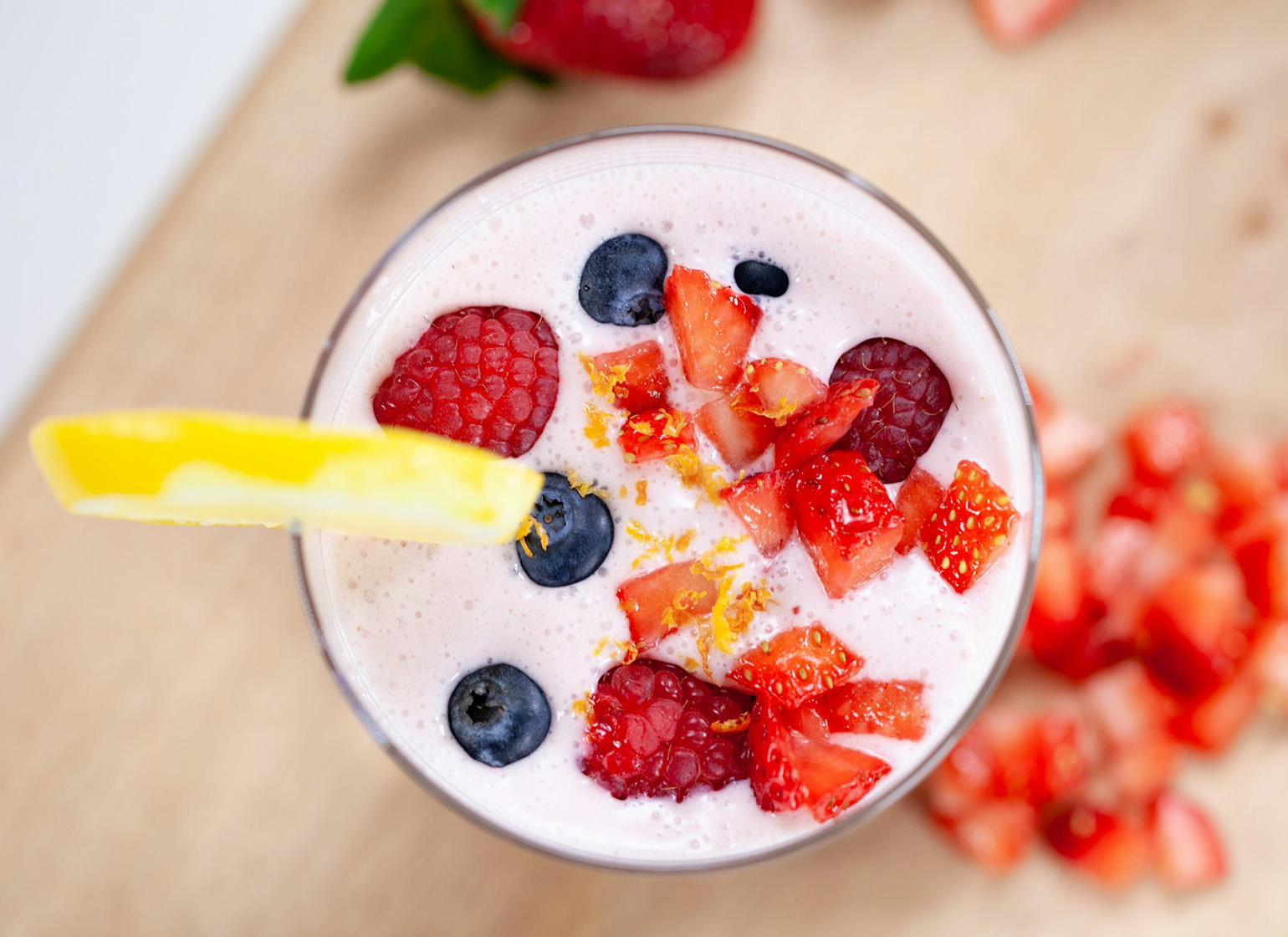
The final recipe combines berries with yoghurt for a thick and creamy shake.
It’s one of the most adaptable protein shake recipes because you can use whichever berries you have available.
Ingredients
- 150g plain Greek yoghurt
- 100–150ml milk or suitable alternative
- 1 scoop vanilla protein powder
- 1 cup mixed frozen berries
- 1 tablespoon ground flaxseed
- Extra liquid as required
You can use Vanilla WheyFuel if you primarily want to add protein.
Alternatively, check the nutrition and preparation instructions for Vanilla MealFuel if you’re looking for a product with a different nutritional profile.
Method
- Add the yoghurt and milk to the blender.
- Add the protein powder.
- Add the frozen berries and flaxseed.
- Blend until smooth.
- Add more liquid gradually if it’s too thick.
Why These Ingredients?
Greek yoghurt makes the shake thicker while providing additional protein.
Berries add flavour and fruit, while ground flaxseed changes the texture and contributes fibre and fat.
You can use strawberries, raspberries, blueberries, blackberries or a frozen mixed-berry bag.
How to Build Your Own Protein Shake Recipes
Once you’ve tried the five protein shake recipes above, creating your own combinations is straightforward.
Think of your shake as having four basic components.
1. Choose Your Protein
Start with a powder that suits your diet.
Options might include:
- Whey protein
- Pea protein
- Rice protein
- Hemp protein
- A plant protein blend
The flavour of the powder will influence everything you add afterwards.
2. Choose Your Liquid
Water creates a lighter shake.
Milk generally produces a creamier texture and can add additional protein.
Plant-based drinks can work too, although their protein, sugar and calorie contents vary considerably between products.
Check the label if those details matter to your goals.
3. Add Flavour and Texture
This is where protein shake recipes become much more interesting.
Try ingredients such as:
- Banana
- Berries
- Mango
- Pineapple
- Peanut or other nut butter
- Yoghurt
- Oats
- Cinnamon
- Coffee
- Cocoa
- Ginger
- Spinach
You don’t need all of them.
Two or three complementary ingredients are often enough.
4. Adjust the Consistency
For a thicker shake:
- Use frozen fruit
- Reduce the liquid
- Add yoghurt
- Add a small amount of avocado
- Add oats
For a thinner shake, simply add more liquid and blend again.
Easy Protein Shake Flavour Combinations
Need more inspiration for protein shake recipes?
Try these combinations:
Chocolate + banana + peanut butter
Rich, creamy and easy to make.
Vanilla + mixed berries + yoghurt
Fruity with a creamy texture.
Vanilla + mango + pineapple
A simple tropical combination.
Chocolate + coffee + banana
Useful if you enjoy mocha-style flavours.
Pea protein + pineapple + spinach
A simple option for a green plant-based shake.
Vanilla + banana + cinnamon
One of the easiest combinations when you don’t have many ingredients available.
Use these as templates and adjust quantities according to your preferences.
Common Protein Shake Problems and How to Fix Them
Even simple protein shake recipes can go wrong occasionally.
Fortunately, most problems are easy to fix.
My Protein Shake Is Too Watery
Use less liquid next time or add frozen fruit.
A small amount of yoghurt, oats, banana or avocado can also thicken a shake.
Add ingredients gradually. It’s much easier to make a shake thinner than rescue one that’s become too thick.
My Protein Shake Is Too Thick
Add a small amount of liquid and blend again.
Repeat until you’ve reached the consistency you want.
When using lots of frozen ingredients, make sure your blender is suitable for them.
My Protein Shake Tastes Chalky
Try adding stronger complementary flavours.
Banana, berries, cocoa, coffee, cinnamon and nut butter can all change the flavour significantly.
Using enough liquid and blending thoroughly can also improve the texture.
My Protein Powder Sticks to the Blender
Add the liquid before the powder.
This helps prevent dry powder collecting underneath the blades or sticking to the bottom of the container.
Then add softer ingredients followed by frozen fruit and ice.
Can You Make Protein Shakes Without a Blender?
Yes, but keep the recipe simple.
A shaker bottle works well for protein powder mixed with water or milk.
It won’t properly process whole fruit, spinach, ice, nuts or other solid ingredients.
If you don’t have a blender, you can still experiment with simple protein shake recipes using powder, your chosen liquid and ingredients that dissolve or mix easily.
What’s the Best Liquid for a Protein Shake?
There isn’t one best option.
Choose according to the shake you’re making.
Water: Simple and doesn’t add meaningful calories.
Milk: Creamier and provides additional nutrients, including protein.
Plant-based drinks: Useful for people avoiding dairy, although nutritional content varies between products.
Coconut water: Adds a distinctive flavour and some carbohydrate and minerals, but isn’t necessary for an effective protein shake.
The idea that water is automatically better post-workout because it makes protein digest dramatically faster isn’t a useful rule for most people.
Your overall diet and protein intake matter more.
Can You Prepare Protein Shakes in Advance?
You can prepare some elements of these protein shake recipes beforehand.
For example, portion protein powder and dry ingredients into containers or prepare individual bags of frozen fruit.
Once liquid and fresh ingredients are blended together, storage becomes more important.
If you’re preparing a shake in advance, refrigerate it promptly in a suitable sealed container and follow appropriate food-storage guidance, particularly when using dairy products.
Texture can change during storage, so freshly blended shakes will often taste better.
A Note About Fruit Smoothies and Sugar
Fruit can be a useful ingredient in protein shake recipes, but there’s an important UK dietary guideline worth knowing.
When fruit is blended or juiced, the sugars are released from the cellular structure.
The NHS therefore recommends limiting fruit juice and smoothies to a combined total of 150ml per day and having them with meals.
That doesn’t mean fruit is “bad” or that you need to avoid these recipes.
It simply means a large fruit-heavy smoothie shouldn’t automatically be treated as nutritionally identical to eating several portions of whole fruit.
If you regularly make large shakes, vary your ingredients rather than assuming more fruit is always better.
Do You Need a Protein Shake?
No.
These protein shake recipes can be convenient, but protein shakes aren’t essential.
You can obtain protein from normal foods, and supplements shouldn’t replace a varied, balanced diet.
For people who struggle to meet their requirements conveniently, however, protein powder can make things easier.
The International Society of Sports Nutrition notes that physically active people can meet their protein requirements through whole foods, while supplementation provides a practical alternative when required.
So use these protein shake recipes because they fit your diet and lifestyle — not because you believe everyone who exercises needs a shake.
Protein Shake Recipes: The Bottom Line
The best protein shake recipes are the ones you actually enjoy and can fit sensibly into your overall diet.
Start with a protein powder that suits you, choose an appropriate liquid and then add ingredients for flavour and texture.
Try the banana and chocolate shake after training, make the green version when you fancy something different, keep the chocolate peanut butter recipe simple, go tropical with mango and pineapple or use frozen berries and yoghurt for a creamy alternative.
Then start experimenting.
Once you understand the basic formula, you can create dozens of protein shake recipes from the ingredients you already have at home.
You can explore ProteinHype’s protein powder collection to find whey and plant-based options for your next shake.
Note: This content is for informational purposes only and is not medical advice. Speak to a qualified healthcare professional or registered dietitian if you have concerns about your individual dietary requirements, allergies, intolerances or use of supplements. Food supplements should not be used as a substitute for a varied, balanced diet.
Best Selling Protein Supplements
-

WheyFuel (Vanilla Flavour)
£39.99 — or subscribe to save 10% -
WheyFuel (Chocolate Flavour)
£39.99 — or subscribe to save 10% -
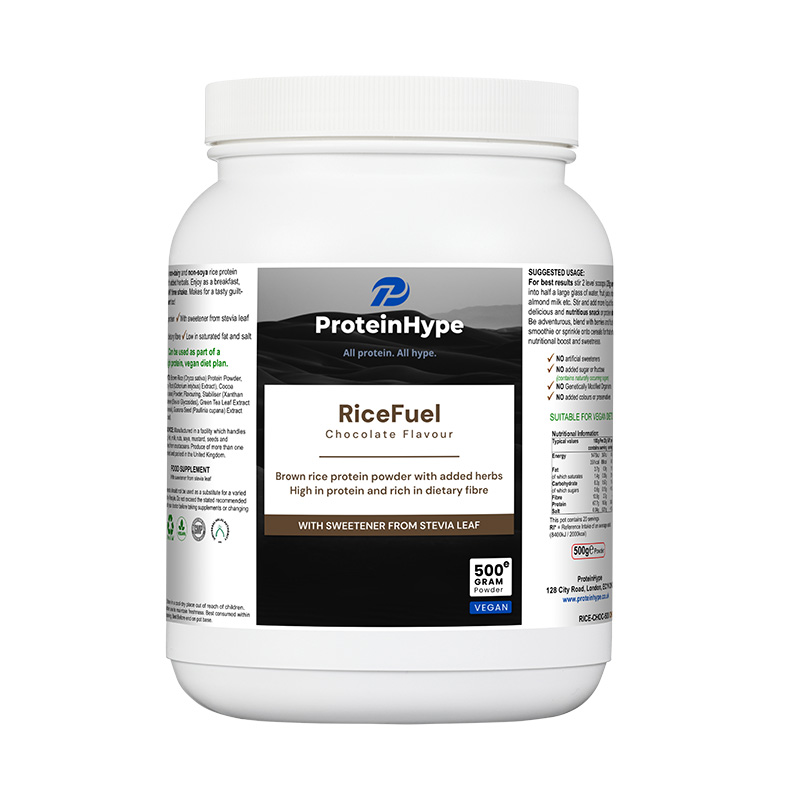
RiceFuel (Chocolate Flavour)
£16.99 — or subscribe to save 10%