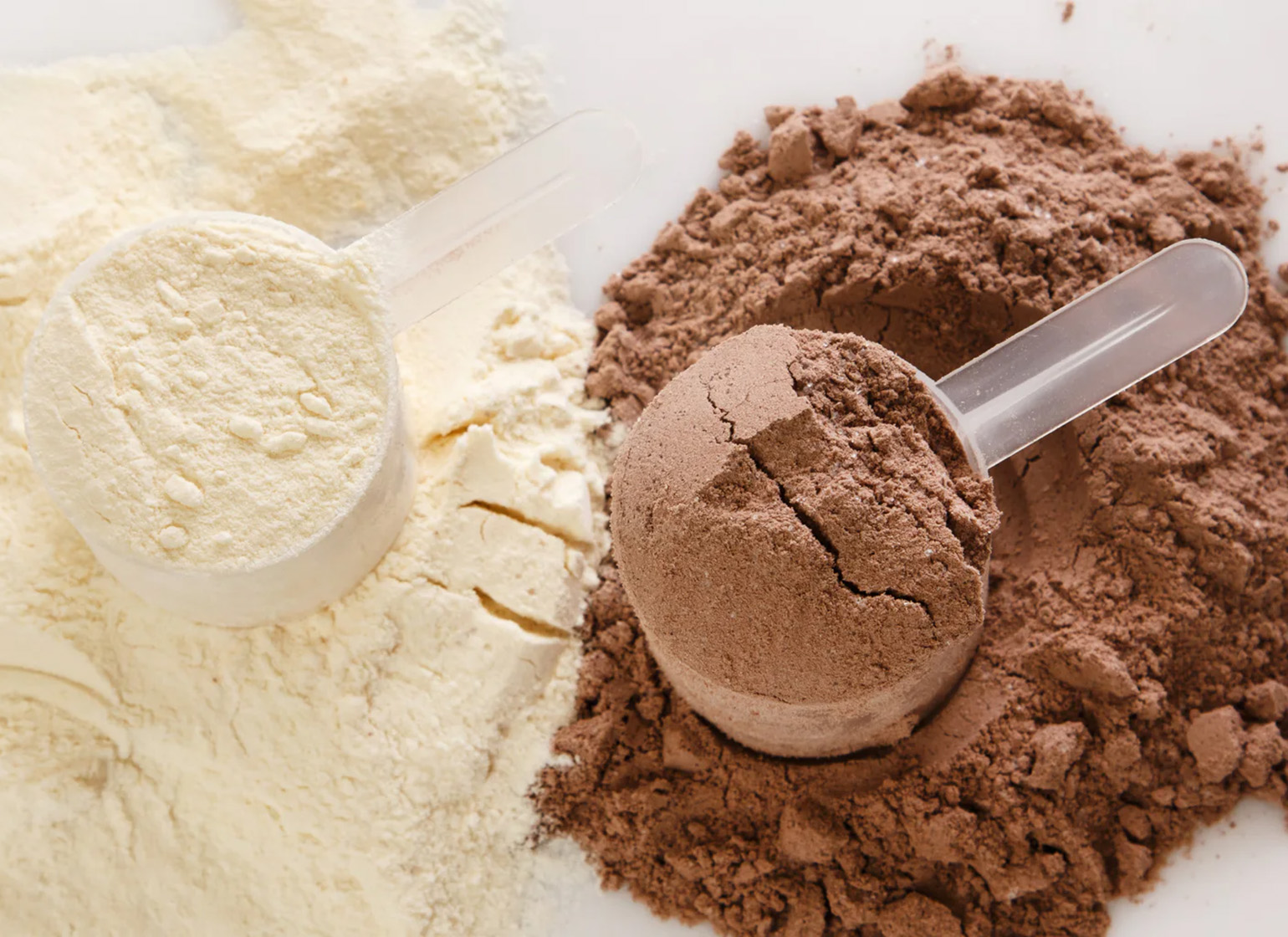
Choosing between whey and plant protein can seem complicated.
Both provide a concentrated source of protein, both can contribute towards your daily requirements and both can fit into a muscle-building diet. But they differ in where they come from, amino-acid composition, dietary suitability, taste and other characteristics.
The whey vs plant protein debate therefore isn’t about declaring one universally better.
The right choice depends on your diet, preferences, training goals and how well you tolerate different products.
This guide compares whey vs plant protein so you can understand the differences and choose the option that suits you.
If you’re completely new to protein powder, start with our Protein Guide for Beginners.
Whey vs Plant Protein: What’s the Difference?
The biggest difference is the source.
Whey protein comes from milk. It’s separated during cheese production and processed into protein powder.
Plant protein comes from plant sources such as:
- Peas
- Soya
- Rice
- Hemp
- Potatoes
- Other plant ingredients
Products may contain one plant protein or combine several sources.
Both can provide useful amounts of protein, but their amino-acid profiles and digestibility can differ.
What Is Whey Protein?
Whey is a dairy-derived complete protein, meaning it provides all nine essential amino acids.
It’s particularly rich in leucine, an essential amino acid involved in stimulating muscle protein synthesis.
Whey is also relatively rapidly digested and has been extensively studied in sports nutrition.
Common types include whey protein concentrate and whey protein isolate.
The exact protein, carbohydrate, fat and lactose content varies by product, so always check the label rather than assuming all whey powders are nutritionally identical.
ProteinHype’s Vanilla WheyFuel and Chocolate WheyFuel provide whey-based options.
What Is Plant Protein?
Plant protein powder is produced from protein-rich plant ingredients.
Popular sources include pea, soya, rice and hemp.
Contrary to a common misconception, plant foods aren’t necessarily “incomplete” because they completely lack particular essential amino acids.
However, individual plant proteins can contain lower proportions of certain essential amino acids than others.
This is one reason some protein powders combine different plant sources.
For example, pea and rice proteins have different amino-acid profiles and can be combined within a blend.
ProteinHype’s PeaFuel Blend provides a plant-based option.
Whey vs Plant Protein: Quick Comparison
| Feature | Whey Protein | Plant Protein |
|---|---|---|
| Source | Milk | Pea, soya, rice, hemp and others |
| Vegan | No | Usually, depending on ingredients |
| Essential amino acids | All nine | Varies by source |
| Leucine | Naturally relatively high | Varies by source |
| Dairy-free | No | Generally yes |
| Digestion | Relatively rapid | Varies considerably |
| Texture | Often smooth | Varies; some can be grainier |
| Suitable for muscle building | Yes | Yes, within an appropriate diet |
| Environmental impact | Dairy production has impacts | Generally lower impacts vary by crop and production method |
The exact nutritional profile still depends on the individual product.
Whey vs Plant Protein for Muscle Growth
Muscle growth is one of the main reasons people compare whey vs plant protein.
Whey has several useful characteristics.
It provides all essential amino acids, contains relatively high levels of leucine and is rapidly digested.
But that doesn’t mean plant protein can’t support muscle growth.
A 2025 systematic review and meta-analysis examined randomised controlled trials comparing plant and animal proteins.
Overall, animal protein produced a small advantage for muscle mass. The difference was more apparent when animal protein was compared with non-soy plant proteins, while there was no significant difference between soya and milk protein for muscle mass.
Importantly, researchers found no significant overall difference between plant and animal protein for muscle strength or physical performance.
You can read the systematic review and meta-analysis comparing plant and animal protein for the full findings.
So it’s too simplistic to say either that all plant proteins are identical to whey or that plant protein can’t effectively support resistance training.
Your total protein intake, amino-acid intake, overall diet and training also matter.
Whey vs Plant Protein: Does Whey Build Muscle Faster?
Whey can produce a rapid increase in circulating amino acids and is particularly rich in leucine.
Those characteristics make it effective at stimulating muscle protein synthesis.
But long-term muscle growth isn’t determined by digestion speed alone.
Resistance training, sufficient total protein, overall nutrition and consistency all contribute to results.
The International Society of Sports Nutrition recommends approximately 1.4–2.0g of protein per kilogram of body weight per day for most healthy exercising individuals who want to build or maintain muscle.
You can read the ISSN position stand on protein and exercise for more detail.
If muscle gain is your goal, our guide to protein powder for muscle gain explains how to use supplements alongside resistance training.
Is Plant Protein Good for Building Muscle?
Yes, plant protein can contribute towards a diet that supports muscle growth.
The important consideration is the overall quality and quantity of protein in your diet.
Different plant proteins have different amino-acid profiles, so someone following a completely plant-based diet may benefit from consuming a variety of protein sources.
Plant-based athletes don’t need to combine complementary proteins at every individual meal, but variety across the diet is useful.
Our Beginner’s Guide to Plant-Based Protein looks at this in more detail.
Whey vs Plant Protein for Amino Acids
Amino-acid composition is an important difference in the whey vs plant protein comparison.
Whey naturally provides all essential amino acids and is relatively rich in leucine.
Plant proteins vary.
Soya is considered a high-quality complete protein, while other plant proteins can contain lower proportions of particular essential amino acids.
That doesn’t make them useless.
Using sufficient amounts and eating a varied diet can help provide the essential amino acids your body needs.
The ISSN notes that protein quality and amino-acid availability can affect the response to protein intake, particularly in relation to muscle protein synthesis.
Whey vs Plant Protein: Which Is Easier to Digest?
There’s no universal answer.
It’s misleading to say plant protein is automatically gentler on everyone’s stomach.
Some people tolerate whey perfectly well.
Others may experience digestive discomfort with particular dairy-based products, especially if they have problems digesting lactose.
Likewise, some people tolerate plant powders well while others may find certain products cause bloating or digestive discomfort.
Ingredients beyond the protein itself — such as sweeteners, thickeners and flavourings — can also affect tolerance.
When comparing whey vs plant protein for digestion, your own tolerance and the individual product matter more than a blanket rule.
What If You’re Lactose Intolerant?
Whey comes from milk, so lactose is an important consideration.
Whey protein concentrate can contain lactose.
Whey protein isolate generally contains less lactose because of additional processing, but the precise amount varies between products.
Some people with lactose intolerance may tolerate certain whey isolates, while others prefer to avoid dairy-based protein altogether.
A plant protein such as pea, rice, hemp or soya provides a dairy-free alternative.
If you have a milk allergy rather than lactose intolerance, that’s different: whey is a milk protein and should not be treated as suitable simply because a product contains little lactose.
Always check allergen information on the individual product.
When Should You Take Whey or Plant Protein?
One of the biggest misconceptions in the whey vs plant protein debate is that whey must be used after training while plant protein should be reserved for other times.
You don’t need to organise your supplements this way.
Protein consumed before or after resistance training can support muscle protein synthesis, while meeting your overall daily protein requirements remains a major priority.
The anabolic effect of resistance exercise also lasts considerably longer than a tiny post-workout window.
So you can use whey or plant protein:
- At breakfast
- Before training
- After training
- Between meals
- In recipes
- Whenever it conveniently helps meet your daily target
Our Pre vs Post Workout Protein Guide explains protein timing in more detail.
Whey vs Plant Protein: Is Whey Better After a Workout?
Whey is convenient after exercise because it’s rapidly digested and provides a strong essential amino-acid profile.
But that doesn’t mean you must consume whey within 30 or 60 minutes of training.
What you’ve eaten before training and your overall daily intake matter.
If you prefer plant protein, you don’t need to switch to whey solely because you’ve finished a workout.
Choose a protein source that fits your diet and helps you consistently meet your requirements.
Whey vs Plant Protein for Weight Management
Neither protein powder automatically causes weight loss.
Fat loss depends primarily on maintaining an appropriate energy deficit over time.
Protein can form part of an energy-controlled diet, and higher-protein foods may help some people with satiety.
However, both whey and plant protein contain calories.
If weight management is your goal, compare the actual nutritional information of the products you’re considering rather than assuming one category is inherently better.
Protein per serving, calories, ingredients and how the powder fits your overall diet are more useful considerations.
What About Taste and Texture?
When comparing whey vs plant protein, taste is subjective, but texture can differ.
Whey powders often mix into a relatively smooth shake.
Some plant proteins can have a thicker or grainier texture, although this varies considerably by ingredient and formulation.
Pea, rice and hemp also have their own characteristic flavours.
Modern plant blends can be very different from older formulations, so don’t assume all plant powders taste the same.
The best protein powder is ultimately one that fits your diet and that you’ll actually use consistently.
Whey vs Plant Protein and Sustainability
Environmental impact is another reason some people choose plant protein.
Producing dairy protein involves dairy farming, while plant proteins come from crops.
Broadly, plant-derived foods tend to have lower environmental impacts than many animal-derived foods, but the precise footprint depends on factors including the crop, farming methods, processing, transport and production system.
Sustainability may therefore be one factor in your whey vs plant protein decision, particularly if environmental impact is important to you.
Common Whey vs Plant Protein Myths
Plant Protein Can’t Build Muscle
It can.
Plant protein can contribute towards sufficient protein and essential amino-acid intake alongside resistance training.
Whey Must Be Taken Immediately After Training
It doesn’t.
Protein after training can be useful, but you don’t have a tiny window in which whey suddenly stops working.
Plant Protein Is Always Easier to Digest
Not necessarily.
Individual tolerance varies considerably.
Every Plant Blend Is a Complete Protein
Don’t assume this from the word “blend.”
Check the ingredients and nutritional information for the actual product.
Whey Is Automatically Better
Whey has nutritional advantages such as a strong essential amino-acid profile and relatively high leucine content.
But “better” depends on what you’re measuring and whether the product actually suits your diet.
How to Choose Between Whey and Plant Protein
When deciding between whey vs plant protein, ask yourself a few straightforward questions.
Do You Follow a Vegan Diet?
Choose plant protein.
Do You Have a Milk Allergy?
Avoid whey and other milk-derived proteins unless your healthcare professional has specifically advised otherwise.
Do You Have Lactose Intolerance?
A lower-lactose whey product may work for some people, while plant protein provides a dairy-free alternative.
Is Muscle Growth Your Main Goal?
Both can contribute.
Focus on your resistance training, total daily protein intake and the nutritional quality of your overall diet rather than expecting the powder alone to determine your results.
Which One Do You Prefer?
Taste, texture and convenience matter.
A theoretically ideal powder isn’t particularly useful if you dislike it so much that you rarely consume it.
Whey vs Plant Protein: The Bottom Line
There isn’t a universal winner in the whey vs plant protein comparison.
Whey provides all essential amino acids, is relatively high in leucine and is rapidly digested. It has an extensive evidence base in sports nutrition and can be a convenient option if you consume dairy.
Plant protein provides a dairy-free option and can also contribute effectively towards protein requirements and a muscle-building diet. Different plant sources vary in amino-acid profile and digestibility, so the specific product and your overall diet matter.
Research suggests there may be a small muscle-mass advantage for animal protein over some non-soy plant proteins, but this shouldn’t be interpreted as meaning plant protein can’t support muscle growth. Strength and physical-performance outcomes have not shown a significant overall difference in the recent meta-analysis.
For most people, the practical choice comes down to dietary requirements, protein quality, tolerance, taste, ingredients and consistency.
That’s the useful way to approach whey vs plant protein: choose the protein that fits your diet and helps you consistently meet an appropriate daily protein intake.
Explore ProteinHype’s protein powder collection to compare whey and plant-based options.
Note: This content is for informational purposes only and is not medical advice. Individual protein requirements vary. Speak to a qualified healthcare professional or registered dietitian if you have a medical condition, food allergy, are pregnant or breastfeeding, or have concerns about your individual dietary requirements. Food supplements should not be used as a substitute for a varied, balanced diet.
Best Selling Protein Supplements
-

WheyFuel (Vanilla Flavour)
£39.99 — or subscribe to save 10% -
WheyFuel (Chocolate Flavour)
£39.99 — or subscribe to save 10% -
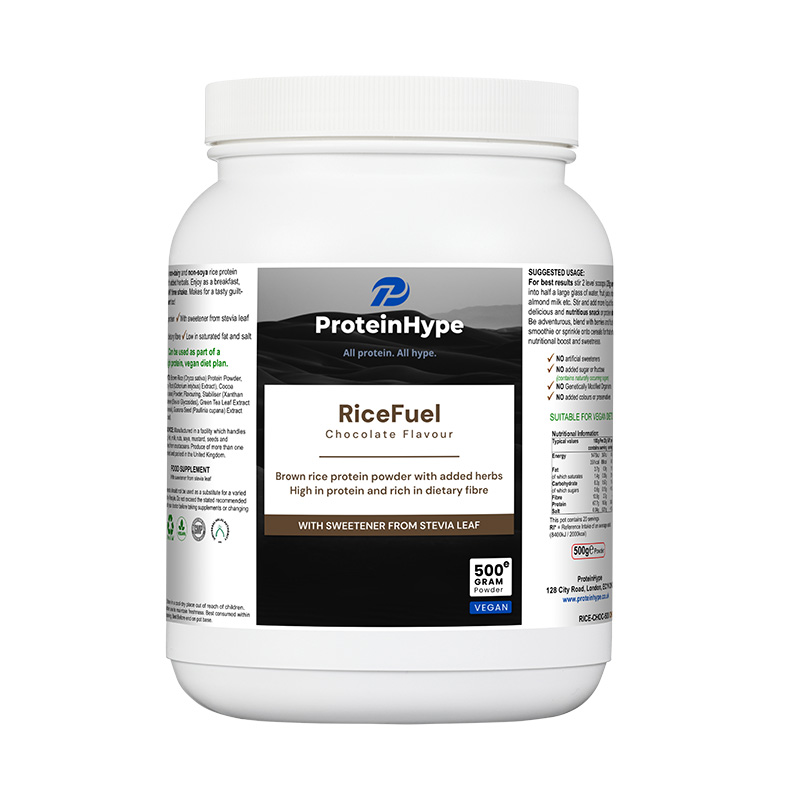
RiceFuel (Chocolate Flavour)
£16.99 — or subscribe to save 10%