Omega 3
Showing all 2 resultsSorted by latest
Omega 3 Supplements for Your Daily Routine
Omega 3 fatty acids are a group of polyunsaturated fats that form part of a balanced diet. The main marine Omega 3 fatty acids are EPA and DHA, while ALA is a plant-based Omega 3 found in foods such as flaxseed, chia seeds and walnuts.
Oily fish such as salmon, mackerel, sardines and trout are natural sources of EPA and DHA. For people who do not regularly eat oily fish, an Omega 3 supplement can provide a convenient way to include these fatty acids in their nutritional routine.
ProteinHype offers different Omega 3 supplements and formulations, including combination Omega 3, 6 and 9 products and krill oil. This gives you a choice of formats and sources depending on your preferences.
Explore Our Omega 3 Range
Omega 3, 6 & 9 Supplements
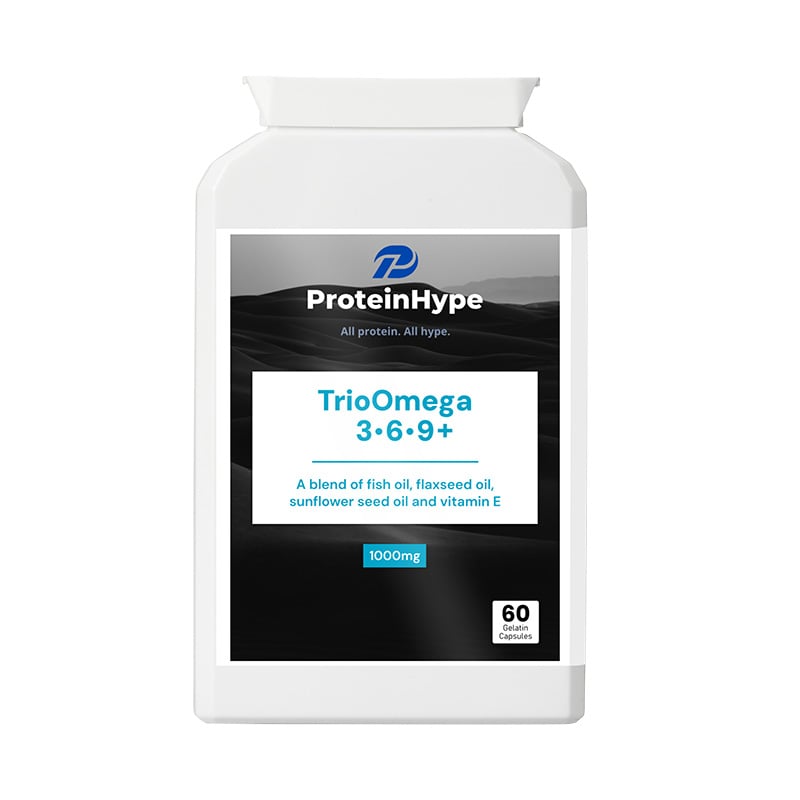
Omega 3, 6 and 9 products combine different fatty acids in a single formulation. TrioOmega 3 • 6 • 9 + provides a combination of these fatty acids alongside Vitamin E.
Omega 3 and Omega 6 are essential fatty acids, meaning they need to be obtained from the diet. Omega 9 is a monounsaturated fatty acid that the body can produce.
Krill Oil Supplements
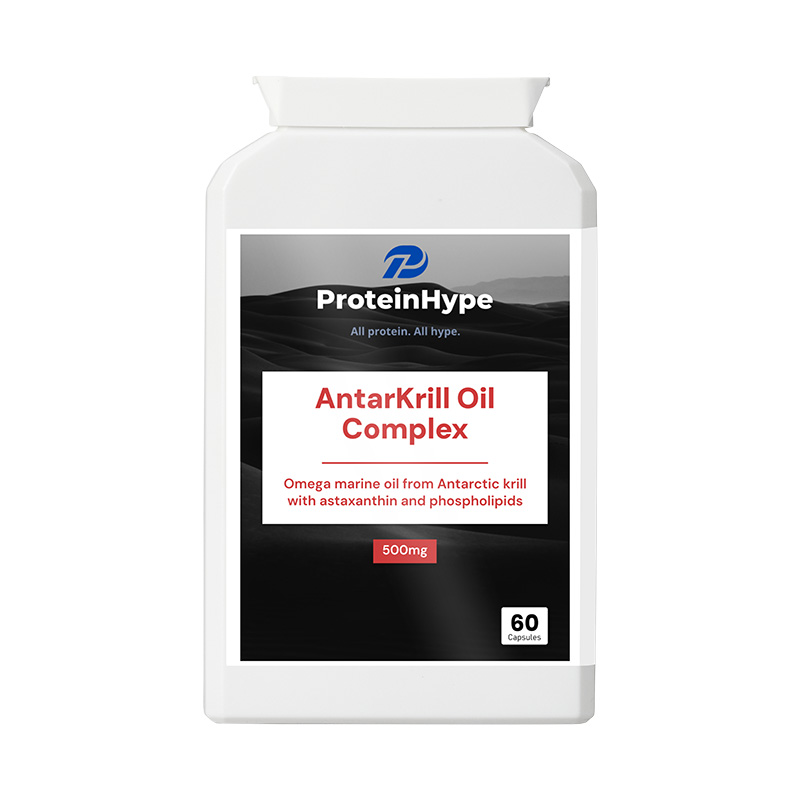
Krill oil is a marine source of EPA and DHA. It also naturally contains astaxanthin and provides Omega 3 fatty acids in phospholipid form.
Krill oil provides an alternative to conventional fish oil supplements for people looking for a different marine Omega 3 source.
Who Are Omega 3 Supplements For?
Omega 3 supplements can be used by adults who want to supplement their dietary intake of Omega 3 fatty acids.
They may be particularly convenient for people who do not regularly eat oily fish or who simply prefer to include Omega 3 through supplementation.
People following vegetarian or vegan diets can also obtain Omega 3 from plant sources. However, plant foods such as flaxseed and chia primarily provide ALA rather than the marine Omega 3 fatty acids EPA and DHA.
Algae-based Omega 3 products can provide a plant-based source of DHA and, depending on the product, EPA.
When & How to Take Omega 3
Follow the recommended serving instructions provided with your chosen Omega 3 supplement.
Omega 3 supplements are commonly taken alongside food. Taking your supplement as part of a regular meal can make it easier to incorporate into your daily routine.
Capsules should be taken according to the instructions on the product packaging. For liquid or other formats, use the recommended serving rather than estimating the amount yourself.
If you take several supplements, check their nutritional information to understand whether you are getting Omega 3 from more than one product.
Why Choose an Omega 3 Supplement?
Convenient Source of Omega 3
An Omega 3 supplement provides a straightforward way to include these fatty acids in your daily nutritional routine, particularly if you do not regularly consume oily fish.
EPA & DHA
EPA and DHA are long-chain Omega 3 fatty acids naturally found in oily fish and marine oils. Different supplements provide different amounts, so check the product label for the EPA and DHA content per serving.
Supports Normal Heart Function
EPA and DHA contribute to the normal function of the heart. The beneficial effect is obtained with a daily intake of 250mg of EPA and DHA.
Supports Normal Brain Function
DHA contributes to the maintenance of normal brain function. The beneficial effect is obtained with a daily intake of 250mg of DHA.
Supports Normal Vision
DHA also contributes to the maintenance of normal vision. The beneficial effect is obtained with a daily intake of 250mg of DHA.
Different Omega 3 Sources
Fish oil and krill oil provide marine sources of EPA and DHA, while plant and algae-based sources offer alternatives depending on the type of Omega 3 provided.
Omega 3, EPA, DHA & ALA Explained
Omega 3 is not a single fatty acid. It refers to a family of fatty acids with different forms and dietary sources.
EPA
EPA, or eicosapentaenoic acid, is a long-chain Omega 3 fatty acid found primarily in marine foods and oils.
DHA
DHA, or docosahexaenoic acid, is another marine Omega 3 fatty acid. DHA contributes to the maintenance of normal brain function and normal vision.
ALA
ALA, or alpha-linolenic acid, is an essential plant-based Omega 3 fatty acid. It is found in foods such as flaxseed, chia seeds, walnuts and certain plant oils.
The body can convert ALA into EPA and DHA, although the conversion is limited. This is one reason why dietary sources and supplements can provide different forms of Omega 3.
Fish Oil vs Krill Oil
Fish oil and krill oil are both marine sources of Omega 3 fatty acids, but they come from different sources and have different formulations.
Fish oil commonly provides EPA and DHA in triglyceride or ethyl ester forms, depending on the product. Krill oil provides EPA and DHA alongside naturally occurring astaxanthin and phospholipids.
Rather than assuming one source is universally better, compare the EPA and DHA content, serving size, ingredients and formulation of each product.
Choosing the Right Omega 3 Supplement
Check the EPA & DHA Content
The total amount of fish oil or krill oil does not necessarily tell you how much EPA and DHA a product provides. Check the nutritional information for the individual amounts per recommended serving.
Consider the Source
Choose between fish oil, krill oil or another Omega 3 source according to your dietary preferences and the formulation you are looking for.
Look at the Full Ingredient List
Some Omega products contain additional nutrients or ingredients. Review the complete product information before making your choice.
Follow the Recommended Serving
Use your Omega 3 supplement according to the product instructions. Do not exceed the recommended daily serving unless advised to do so by a qualified healthcare professional.
Omega 3 & Your Daily Nutrition
Omega 3 fatty acids can form part of a varied and balanced diet. Oily fish is one of the main dietary sources of EPA and DHA, while plant foods provide ALA.
UK dietary guidance recommends that people eat at least two portions of fish each week, including one portion of oily fish. For people who do not eat oily fish, supplementation can be one way to consider their Omega 3 intake.
If you already eat oily fish regularly, consider your overall dietary intake when deciding whether an additional supplement is appropriate.
People taking medication, particularly medicines that affect blood clotting, should speak with a healthcare professional before starting an Omega 3 supplement.
Omega 3 FAQs
What is Omega 3?
Omega 3 is a family of polyunsaturated fatty acids. Important forms include ALA, EPA and DHA. ALA is primarily found in plant foods, while EPA and DHA are found mainly in oily fish and marine sources.
What is the difference between EPA and DHA?
EPA and DHA are both long-chain Omega 3 fatty acids, but they have different functions in the body. DHA contributes to the maintenance of normal brain function and normal vision, while EPA and DHA together contribute to the normal function of the heart.
How much Omega 3 do I need?
There is no single recommended amount of total Omega 3 that applies to every circumstance. For authorised claims relating to EPA and DHA, a daily intake of 250mg of EPA and DHA is relevant to normal heart function, while 250mg of DHA is relevant to normal brain function and normal vision.
Check the EPA and DHA content of your chosen product rather than looking only at the total oil amount.
What is krill oil?
Krill oil is a marine oil obtained from krill and naturally contains EPA, DHA and astaxanthin. It provides an alternative source of marine Omega 3 to conventional fish oil.
Is Omega 3 suitable for vegetarians or vegans?
Fish and krill oil are not suitable for vegetarians or vegans. Plant sources provide ALA, while algae-based supplements can provide DHA and, depending on the formulation, EPA. Always check the product label for dietary suitability.
Should I take Omega 3 with food?
Omega 3 supplements are commonly taken with food. Follow the specific instructions provided with your chosen product.
How should Omega 3 supplements be stored?
Follow the storage instructions on the product packaging. Some Omega 3 products benefit from being stored in a cool, dry place and protected from direct sunlight.
Can I take Omega 3 with other supplements?
Omega 3 can be included alongside many other supplements, but you should consider the ingredients and nutritional content of all the products you take. If you use medication or have a specific health concern, speak with a pharmacist or healthcare professional before starting a new supplement.
What is Omega 3, 6 & 9?
Omega 3, 6 and 9 are different types of fatty acids. Omega 3 and Omega 6 are essential fatty acids that must be obtained from the diet, while Omega 9 can be produced by the body. Combination supplements provide several types of fatty acids in one product.
Omega 3 supplements provide a convenient way to include EPA, DHA or other Omega 3 fatty acids as part of your nutritional routine, with different sources and formulations available.
Explore our Omega 3 supplements and find an option that fits your daily routine.