Should you drink your protein shake before training or save it until you’ve finished?
The pre vs post workout protein debate has been around for years, particularly among people trying to build muscle.
One argument says protein before exercise gives your muscles amino acids while you’re training. The other says protein immediately afterwards is essential because you’ve entered the famous post-workout “anabolic window”.
The reality is considerably more flexible.
Both pre- and post-workout protein can contribute to your nutrition, and current evidence doesn’t suggest that everyone needs to choose one universal winner.
Here’s how to decide which approach makes sense for you.
Pre vs Post Workout Protein: Does It Matter?
Yes, timing can matter, but probably not as much as you’ve been led to believe.
Your overall daily protein intake remains an important consideration.
The International Society of Sports Nutrition (ISSN) states that protein ingestion and resistance exercise work together to stimulate muscle protein synthesis and that benefits can come from consuming protein either before or after resistance exercise.
Its position stand on protein and exercise also notes that the anabolic effect of exercise lasts for at least 24 hours, although it gradually declines over time.
That doesn’t mean timing is irrelevant.
It means the pre vs post workout protein question needs to be considered alongside what you’ve eaten during the rest of the day.
What Is Pre-Workout Protein?
In the pre vs post workout protein debate, pre-workout protein simply means consuming a protein-containing meal, snack or shake before exercising.
This supplies amino acids before and potentially during your training session.
You don’t necessarily need a dedicated supplement.
A normal meal containing a suitable protein source can perform the same nutritional role.
Examples could include:
- Greek yoghurt
- Eggs
- Chicken
- Fish
- Tofu
- A protein shake
- Other protein-rich foods
If you’ve already eaten a substantial protein-containing meal a couple of hours before training, adding another shake immediately before your workout may be unnecessary.
What Is Post-Workout Protein?
When comparing pre vs post workout protein, post-workout protein simply refers to protein consumed after your training session.
Resistance exercise stimulates muscle protein synthesis, and consuming protein provides the amino acids required for building and repairing muscle proteins.
This is why the post-workout shake became such a major part of gym culture.
But you don’t need to finish your shake before you’ve even left the changing room.
The idea of an extremely narrow 30-minute anabolic window oversimplifies the evidence.
The ISSN’s position stand on nutrient timing reports that consuming high-quality protein from immediately after exercise through approximately two hours afterwards robustly stimulates muscle protein synthesis.
The size and timing of your pre-workout meal can also affect how important an immediate post-workout serving is.
Is Pre or Post Workout Protein Better for Muscle Growth?
This is the question most people actually want answered.
Recent research into pre vs post workout protein suggests there isn’t a clear universal winner.
A 2025 systematic review and meta-analysis specifically examined studies that directly compared protein consumed before versus after resistance training.
It found that lean body mass wasn’t importantly affected by whether supplementation occurred before or after training.
There were differences in some strength results, but the researchers concluded that more investigation is needed before firm conclusions can be drawn.
You can read the 2025 systematic review on protein timing for the complete analysis.
So when comparing pre vs post workout protein for building muscle, your overall diet and training programme deserve more attention than choosing one side of the workout.
When Does Pre-Workout Protein Make Sense?
When considering pre vs post workout protein, eating before training can be particularly practical when it’s been several hours since your previous meal.
Imagine you ate lunch at 12:30 PM but aren’t training until 6:00 PM.
Having a protein-containing snack or shake during the afternoon can prevent you from going most of the day without another protein serving.
It can also help distribute your intake more evenly.
The ISSN recommends approximately 20–40g of high-quality protein per serving as a general guideline for exercising individuals, with servings ideally distributed approximately every three to four hours.
Those figures aren’t rigid rules for everyone, but they provide a useful framework.
When Does Post-Workout Protein Make Sense?
In a pre vs post workout protein routine, eating after training can be particularly convenient if you haven’t consumed protein for several hours.
For example, if you train early in the morning before breakfast, eating a protein-containing breakfast afterwards makes sense.
Likewise, if you finish training and won’t have a proper meal for several hours, a shake can bridge that gap.
But if you had a substantial protein-rich meal shortly before your workout and you’re eating again reasonably soon afterwards, you don’t need to panic about consuming a shake immediately.
Context matters.
That’s one of the most important lessons from the pre vs post workout protein debate.
What If You Train First Thing in the Morning?
Morning training often makes the pre vs post workout protein decision simpler.
If you prefer training before breakfast, have a protein-containing meal or shake afterwards.
You haven’t ruined your workout if you don’t consume it within 30 minutes, but there’s little reason to deliberately delay eating for several hours either.
Alternatively, if you prefer eating before training, a light meal or shake beforehand can work.
Choose whichever approach feels comfortable and fits your routine.
The best nutrition strategy is one you can actually follow consistently.
What If You Train in the Afternoon?
If you train later in the day, look at what you’ve already eaten.
Someone who has consumed breakfast and a protein-rich lunch may already have had several opportunities to consume protein before their session.
In that situation, your next meal after training can provide another serving.
If there’s a long gap between lunch and your workout, a pre-training snack may make more sense.
Rather than automatically choosing pre vs post workout protein, look at where the gaps occur in your existing diet.
What If You Train in the Evening?
Evening training can work equally well.
You might have a protein-containing meal or snack before exercising and then eat dinner afterwards.
Or you might train before dinner and use your evening meal as your post-workout protein source.
There’s no requirement to consume two separate shakes simply because your workout sits between them.
Whole foods can provide the protein you need.
Supplements are primarily a convenient way of adding protein when normal food isn’t practical.
Do You Need Protein Both Before and After Training?
When it comes to pre vs post workout protein, you don’t necessarily need protein on both sides of every workout.
There’s nothing wrong with consuming protein before and after your workout if it fits your normal daily intake.
But doing so isn’t automatically superior.
Consider how close together those servings would be and what you’ve eaten during the rest of the day.
If you eat a meal containing plenty of protein at 5:00 PM, train at 6:30 PM and eat dinner at 8:00 PM, an additional shake before and another shake immediately after training may provide little practical benefit.
Your total diet matters.
This is why the pre vs post workout protein question can’t be answered properly without considering the rest of your meals.
How Much Protein Should You Have Around Your Workout?
There’s no single perfect serving for everybody.
The ISSN gives approximately 20–40g of high-quality protein per serving as a useful general recommendation for exercising individuals.
Individual requirements can vary with body size, age, activity level and overall diet.
Your daily intake matters as well.
If you’re unsure where to start, read our Protein Guide for Beginners.
You can also read How to Use Protein Powder for Muscle Gain for a broader look at fitting supplements into your diet.
Does Protein Type Matter Before or After Training?
Pre vs post workout protein doesn’t require a completely different powder for each side of your workout.
Whey protein is popular because it’s convenient, rapidly digested and contains all the essential amino acids.
Plant-based protein can also contribute effectively towards your daily protein intake.
The idea that you must use a deliberately “slow” plant protein before training and a fast whey immediately afterwards makes protein supplementation more complicated than necessary.
Choose something that suits your diet, preferences and tolerance.
If you’re comparing your options, our Whey vs Plant Protein guide goes into the differences in more detail.
What About Protein for Fat Loss?
The basic principles don’t suddenly reverse when fat loss is your goal.
Maintaining an appropriate protein intake can be useful during an energy-restricted diet, particularly alongside resistance training.
But consuming a shake at a particular time doesn’t make your body selectively burn fat instead of muscle.
Overall energy intake, adequate nutrition, resistance training and sufficient protein are more relevant.
Use protein around your workout in whichever way helps you meet those broader goals.
What About Endurance Training?
Endurance athletes also need protein, particularly to support recovery and adaptation.
But protein isn’t generally the primary fuel for endurance exercise.
Carbohydrate availability becomes particularly important during longer or demanding endurance sessions.
The ISSN specifically notes that endurance athletes should focus on adequate carbohydrate intake to support performance, while protein can help support recovery.
So a high-protein shake shouldn’t automatically replace appropriate carbohydrate intake before a long endurance session.
Is the Anabolic Window a Myth?
Not completely — but the traditional interpretation is misleading.
Exercise does create a period in which muscle is particularly responsive to protein.
What isn’t supported is the idea that this opportunity suddenly closes 30 minutes after your final repetition.
The effect of resistance exercise on muscle protein synthesis lasts much longer.
How urgently you need protein after training also depends partly on when and what you ate beforehand.
If you trained after a long period without food, eating afterwards makes practical sense.
If you ate a protein-rich meal shortly before training, the urgency is lower.
That’s a much more useful way to understand pre vs post workout protein than setting a 30-minute timer.
Pre vs Post Workout Protein for Beginners
If you’re new to training, keep your pre vs post workout protein strategy simple.
First, establish an appropriate daily protein intake.
Second, include protein in several meals throughout the day.
Third, position one of those meals or a shake reasonably close to your workout.
Don’t worry about creating a complicated supplement schedule.
If you train before breakfast, eating afterwards is straightforward.
If you train several hours after your last meal, consider eating something beforehand.
If you’ve recently eaten and have dinner shortly after training, you’re already covering both sides reasonably well.
How Protein Powder Can Help
Protein powder isn’t essential for getting your pre vs post workout protein timing right.
Its main advantage is convenience.
A shake can be useful when:
- You’re training before work
- You don’t want a full meal before exercise
- You can’t eat immediately after training
- You’re travelling to or from the gym
- Your normal meal is relatively low in protein
ProteinHype’s protein powder range provides different options for supplementing your normal food intake.
Use powder where it genuinely makes your diet easier rather than feeling that every workout requires a shake.
Pre vs Post Workout Protein: A Simple Approach
You can make the pre vs post workout protein decision using three questions.
When Did You Last Eat Protein?
If you’ve recently eaten a protein-rich meal, there’s less urgency to consume another serving before training.
If it’s been several hours, a pre-workout serving can be convenient.
When Will You Eat Next?
If you’re having a protein-containing meal soon after training, that meal can fulfil the post-workout role.
If you won’t be eating for several hours, a shake can be useful.
Are You Meeting Your Daily Needs?
This remains fundamental.
Perfectly timed shakes won’t compensate for an overall diet that consistently provides insufficient protein for your needs.
For the broader picture, our Protein Timing Guide explains how to distribute your intake throughout the entire day.
Pre vs Post Workout Protein: The Bottom Line
The pre vs post workout protein debate doesn’t have a universal winner.
Both approaches can work.
Current evidence indicates that consuming protein before versus after resistance training doesn’t importantly change lean-body-mass gains when the approaches are compared directly.
Your overall intake, training and wider diet remain more important considerations.
If you haven’t eaten for several hours before training, consuming protein beforehand can make sense.
If you train fasted or won’t otherwise eat for some time afterwards, prioritising a post-workout meal or shake is practical.
And if you eat protein-containing meals on both sides of your workout, you probably don’t need to worry about the pre vs post workout protein debate at all.
Instead of chasing a tiny anabolic window, build a routine you can sustain.
For most people, the best pre vs post workout protein strategy is the one that fits naturally around their training, meals and overall daily protein intake.
Note: This content is for informational purposes only and is not medical advice. Speak to a qualified healthcare professional or registered dietitian if you have concerns about your individual protein requirements, diet or use of supplements. Food supplements should not be used as a substitute for a varied, balanced diet.
Best Selling Protein Supplements
-

WheyFuel (Vanilla Flavour)
£39.99 — or subscribe to save 10% -
WheyFuel (Chocolate Flavour)
£39.99 — or subscribe to save 10% -
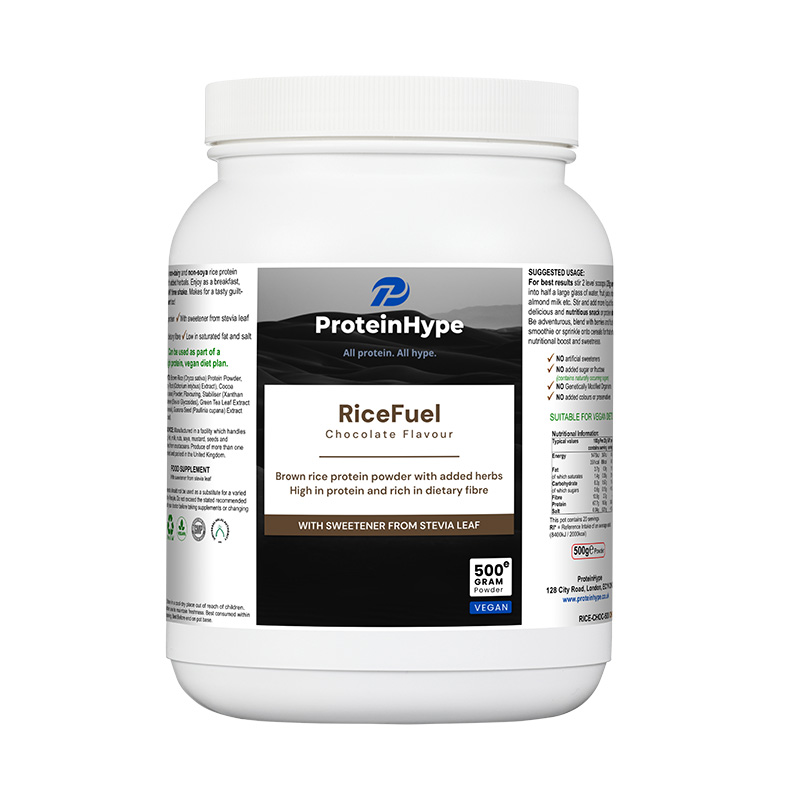
RiceFuel (Chocolate Flavour)
£16.99 — or subscribe to save 10%