Vitamin D
Showing the single result
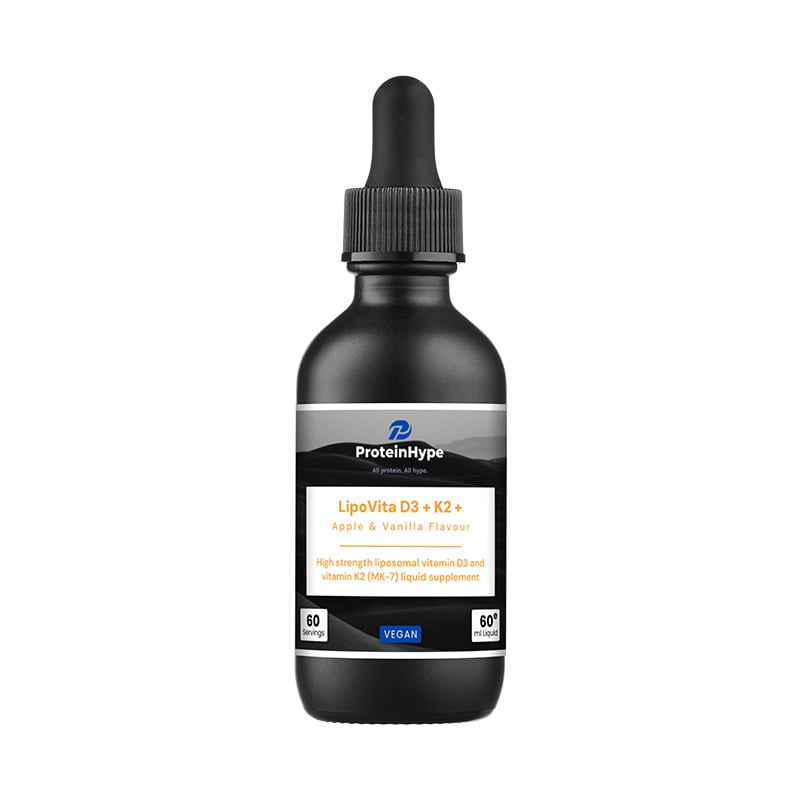
Vitamin D Supplements for Your Daily Routine
Vitamin D is an essential nutrient that contributes to several important functions in the body, including the maintenance of normal bones and teeth, normal muscle function and the normal function of the immune system.
Our bodies can produce vitamin D when skin is exposed to sunlight, while smaller amounts can also be obtained from certain foods. In the UK, sunlight is a limited source of vitamin D during the autumn and winter months, which is why vitamin D supplementation is commonly recommended during this period.
ProteinHype offers Vitamin D supplements in convenient formats, including Vitamin D3 liquid formulations. Our range provides a straightforward way to include vitamin D as part of your daily nutritional routine.
Explore Our Vitamin D Range
Vitamin D3 Supplements
Vitamin D3, also known as cholecalciferol, is a commonly used form of vitamin D in supplements. It is also the form of vitamin D produced naturally in the skin following exposure to sunlight.
Vitamin D3 supplements are available in different strengths and formats, so always check the nutritional information and recommended serving of the individual product.
Vitamin D Drops
Liquid Vitamin D provides a convenient alternative to capsules and tablets. Drops can be measured according to the product instructions and incorporated into your normal daily routine.
Vitamin D with Vitamin K2
Some formulations combine vitamin D3 with vitamin K2. These products provide both nutrients in a single supplement. Check the individual product information for details about the form and amount of each vitamin provided.
Who Are Vitamin D Supplements For?
Vitamin D supplements can be useful for adults who want to supplement their dietary intake of vitamin D. They are particularly relevant during periods when sunlight exposure is limited.
The UK government recommends that adults and children over the age of four consider taking a daily vitamin D supplement containing 10 micrograms during autumn and winter. Some people may be advised to take vitamin D throughout the year depending on their circumstances.
People who spend little time outdoors, cover most of their skin when outdoors, or have darker skin may also be at increased risk of having lower vitamin D levels. If you have concerns about your vitamin D intake or levels, speak with a healthcare professional.
When & How to Take Vitamin D
Follow the recommended serving and instructions provided on your chosen Vitamin D supplement.
Vitamin D is fat-soluble, so taking it alongside a meal can be a convenient way to incorporate it into your routine. However, always follow the specific instructions provided with the product.
For liquid supplements, use the supplied dropper or measuring instructions to ensure you take the recommended amount accurately.
Choosing a consistent time of day can also make daily supplementation easier to remember.
Why Choose a Vitamin D Supplement?
Supports Normal Bones
Vitamin D contributes to the normal absorption and utilisation of calcium and phosphorus and contributes to the maintenance of normal bones.
Supports Normal Muscle Function
Vitamin D contributes to the maintenance of normal muscle function, making it an important nutrient as part of a balanced diet and lifestyle.
Contributes to Normal Immune Function
Vitamin D contributes to the normal function of the immune system. This is an authorised nutrition and health claim for vitamin D.
Supports Normal Teeth
Vitamin D contributes to the maintenance of normal teeth as part of its role in normal calcium utilisation.
Convenient Supplement Formats
Vitamin D is available in different supplement formats, including liquid drops and combination formulas. This makes it possible to choose a format that fits your preferences and daily routine.
Vitamin D3 & Vitamin K2
Vitamin D3 and vitamin K2 are sometimes combined in the same supplement. Vitamin K contributes to the maintenance of normal bones and normal blood clotting, while vitamin D contributes to the maintenance of normal bones.
Some Vitamin D supplements therefore include both nutrients as part of a combined formulation.
If you are considering a Vitamin D and K2 product, check the individual product label for the specific forms and amounts provided.
Vitamin D in the UK
Vitamin D has a particular relevance for people living in the UK because the body relies on sunlight to produce vitamin D naturally.
According to UK government guidance, sunlight exposure between early October and early March generally does not provide enough UVB for the skin to make sufficient vitamin D. As a result, adults and children over four are advised to consider taking a daily supplement containing 10 micrograms of vitamin D during autumn and winter.
Vitamin D can also be obtained from foods including oily fish, red meat, egg yolks and fortified foods. A varied and balanced diet remains an important part of overall nutrition.
Choosing the Right Vitamin D Supplement
Check the Vitamin D Content
Compare the amount of vitamin D provided per recommended serving. Different products can contain significantly different amounts, so always check the label.
Consider Vitamin D3
Vitamin D3 is a widely used form of vitamin D found in supplements. Check the product information to confirm which form is included.
Choose Your Preferred Format
Liquid drops can be convenient if you prefer a measured liquid supplement, while capsules and tablets may suit those who prefer a traditional format.
Check the Other Ingredients
If you are choosing a combination product containing vitamin K2 or other nutrients, review the complete ingredient and nutritional information before purchasing.
Follow the Recommended Serving
Do not exceed the recommended daily amount unless specifically advised to do so by a healthcare professional.
Vitamin D & Your Daily Nutrition
Vitamin D supplementation works alongside your overall diet and lifestyle rather than replacing them. Foods such as oily fish, eggs and fortified products can contribute to your vitamin D intake.
If you take a multivitamin as well as a separate Vitamin D supplement, check both labels. Vitamin D can be present in several different supplements, so reviewing the combined nutritional information can help you understand your overall intake.
If you have been diagnosed with low vitamin D or have been advised to take a particular dose by a healthcare professional, follow their advice rather than changing your supplementation independently.
Vitamin D FAQs
What is Vitamin D?
Vitamin D is an essential nutrient that contributes to the maintenance of normal bones and teeth, normal muscle function and the normal function of the immune system. The body can produce vitamin D through exposure to sunlight, and it can also be obtained from food and supplements.
What is Vitamin D3?
Vitamin D3, or cholecalciferol, is a form of vitamin D commonly used in supplements. It is also the form of vitamin D produced naturally by the skin following exposure to sunlight.
Why is Vitamin D important in the UK?
The UK receives limited UVB sunlight during the autumn and winter months, reducing the body's ability to produce vitamin D from sunlight during this period. UK government guidance therefore recommends considering a daily vitamin D supplement during autumn and winter.
How much Vitamin D should I take?
UK government guidance recommends that adults consider taking a daily supplement containing 10 micrograms of vitamin D during autumn and winter. Individual requirements can vary, so always follow the instructions for your chosen product and any advice from a healthcare professional.
Can I take Vitamin D every day?
Some Vitamin D supplements are designed for daily use. Follow the recommended serving on the product label and avoid exceeding the recommended amount.
What is Vitamin K2?
Vitamin K2 is one form of vitamin K. Vitamin K contributes to the maintenance of normal bones and normal blood clotting. Some supplements combine vitamin K2 with vitamin D3.
Can I take Vitamin D with a multivitamin?
It depends on the nutritional content of both products. Check the labels of your multivitamin and separate Vitamin D supplement to see how much vitamin D each provides.
Are Vitamin D supplements suitable for vegetarians or vegans?
Suitability varies between products. Some forms of Vitamin D3 are derived from animal sources, while other formulations may use alternative sources. Always check the individual product label for current dietary suitability information.
Can you take too much Vitamin D?
Yes. Vitamin D is fat-soluble and excessive intake over time can lead to excessive calcium levels in the blood. Do not exceed the recommended daily amount unless advised by a healthcare professional.
Vitamin D is an important nutrient for normal bones, muscle function and immune function, and supplementation can be particularly relevant during the UK's darker months.
Explore our Vitamin D supplements and find an option that fits your daily routine.