Building muscle takes time, but how long does it actually take to see results? Find out what affects muscle growth, how training and protein help, and what you can realistically expect.
If you’re starting a new gym routine, one of the biggest questions is usually the same: how long will it take to build muscle that you can actually notice?
You might see people online claiming they transformed their physique in a matter of weeks, while others spend years working towards their goals.
The reality is that muscle growth doesn’t happen at the same speed for everyone. Your training experience, genetics, nutrition, recovery and consistency can all influence your progress.
The good news is that you don’t need an extreme training programme or diet to build muscle. You need consistent resistance training, enough protein and energy, adequate recovery and patience.
How Long Does It Take to Build Muscle?
There isn’t a single number of weeks or months that applies to everyone.
Someone completely new to resistance training can often make relatively quick improvements because their body is responding to a new training stimulus. Someone who has been lifting consistently for several years will generally find that further progress becomes slower.
You may also notice improvements in strength and workout performance before you see major changes in your physique.
During the first few weeks of training, some changes in body weight or appearance can come from increased muscle glycogen and water rather than large amounts of newly built muscle.
Visible muscle growth generally requires more time.
Rather than expecting to build muscle dramatically in four or eight weeks, think in terms of months of consistent training and gradual progress.
Beginners Can Build Muscle Faster
People who are new to resistance training can often progress more quickly during their first months of training. This is commonly referred to as beginner gains.
Your body is adapting to a new form of exercise, while you’re also learning better technique and gradually increasing the amount of training you can perform.
However, not every beginner will build muscle at the same rate.
Age, genetics, starting body composition, nutrition, training quality and recovery can all influence the rate of progress.
Beginners also don’t need to train as hard as possible every day. Your muscles need sufficient training stimulus, followed by enough recovery to adapt.
What Makes Muscles Grow?
Muscle growth, also known as hypertrophy, occurs as your muscles adapt to the demands placed on them through resistance training.
Simply going to the gym isn’t enough. If you want to build muscle over time, your training needs to continue challenging your muscles.
A good resistance-training programme should combine appropriate exercises with gradual progression and sufficient recovery.
The American College of Sports Medicine’s resistance-training guidance reviewed 137 systematic reviews involving more than 30,000 participants and found that resistance training can improve muscle size alongside strength and physical performance.
Consistency is particularly important. A straightforward programme you can maintain is generally more useful than a complicated routine you struggle to follow.
Progressive Overload and Muscle Growth
Progressive overload means gradually increasing the demands placed on your muscles.
This could involve:
- Increasing the weight you lift
- Performing more repetitions
- Adding sets
- Improving your exercise technique
- Increasing appropriate training volume
- Progressing to a more challenging exercise
You don’t have to add weight during every workout.
Small improvements accumulated over weeks and months can provide the continued stimulus needed to build muscle.
Keeping a record of your workouts can make it easier to see whether your performance is actually progressing rather than relying on memory.
How Much Should You Train to Build Muscle?
There is no perfect training routine for everyone.
How frequently you train will depend on your experience, available time, goals and ability to recover.
For hypertrophy, current ACSM guidance suggests around 10 sets per muscle group per week as a useful target, although individual requirements can vary.
That work can be spread across several sessions.
For example, you might follow an upper/lower split four days per week or perform several full-body workouts. Both approaches can work if the programme provides an appropriate training stimulus and you can follow it consistently.
More training isn’t automatically better. Increasing volume beyond what you can properly recover from may not improve your results.
How Much Protein Do You Need?
Protein provides amino acids your body uses to build and maintain muscle tissue.
If you’re regularly resistance training, getting enough protein is therefore an important part of your nutrition.
A commonly used evidence-based range for exercising individuals is approximately 1.4–2.0g of protein per kilogram of body weight per day, although individual requirements can differ.
For an 80kg person, that would represent approximately 112–160g per day.
You can get protein from foods including meat, fish, eggs, dairy products, beans, lentils, tofu and other suitable sources.
Protein powder isn’t essential to build muscle. It simply provides a convenient way to increase your protein intake when getting enough through food isn’t practical.
If you’re unsure how much you need, our protein guide for beginners looks at daily protein intake in more detail.
Can Protein Powder Help You Build Muscle?
Protein powder doesn’t cause muscle growth by itself.
Your training provides the stimulus, while your overall diet supplies the protein and energy needed to support your goals.
However, a protein shake can make reaching your daily protein target more convenient, particularly after training, between meals or when you’re short on time.
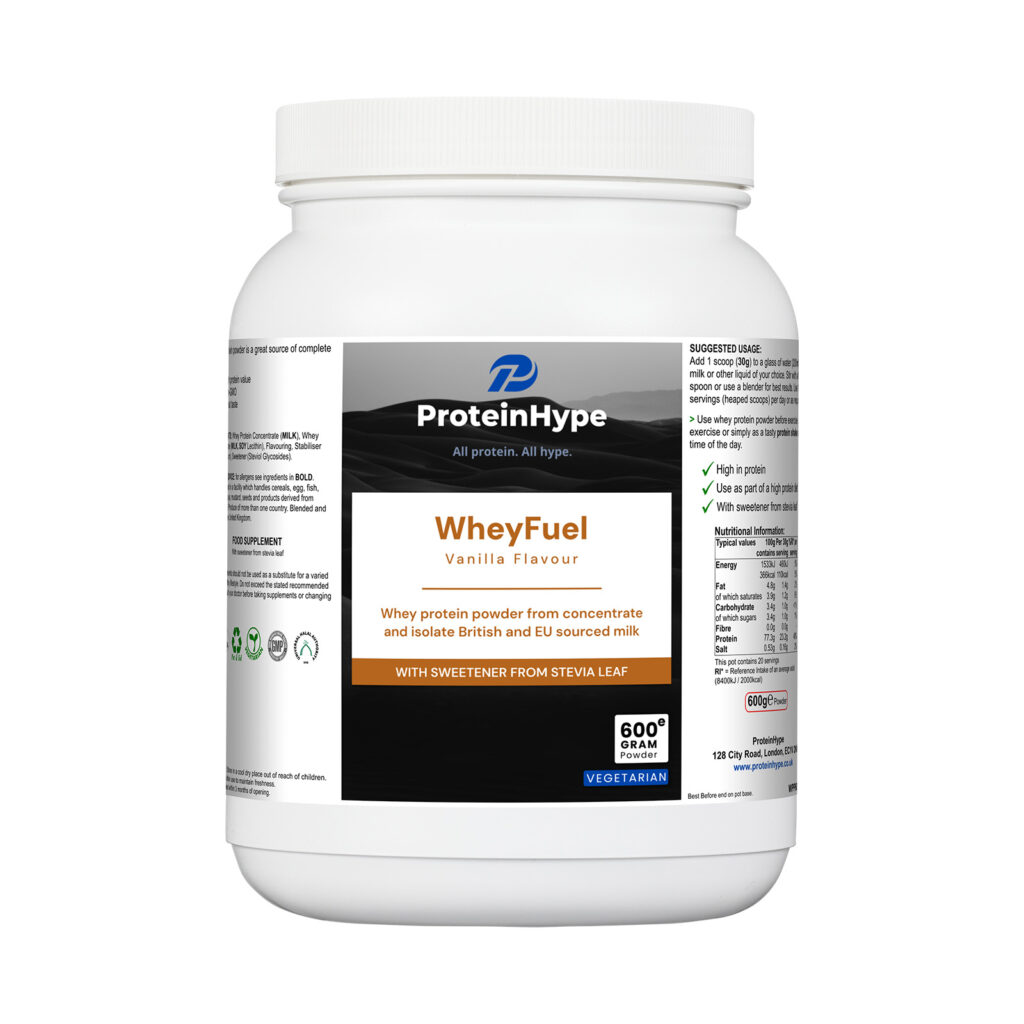
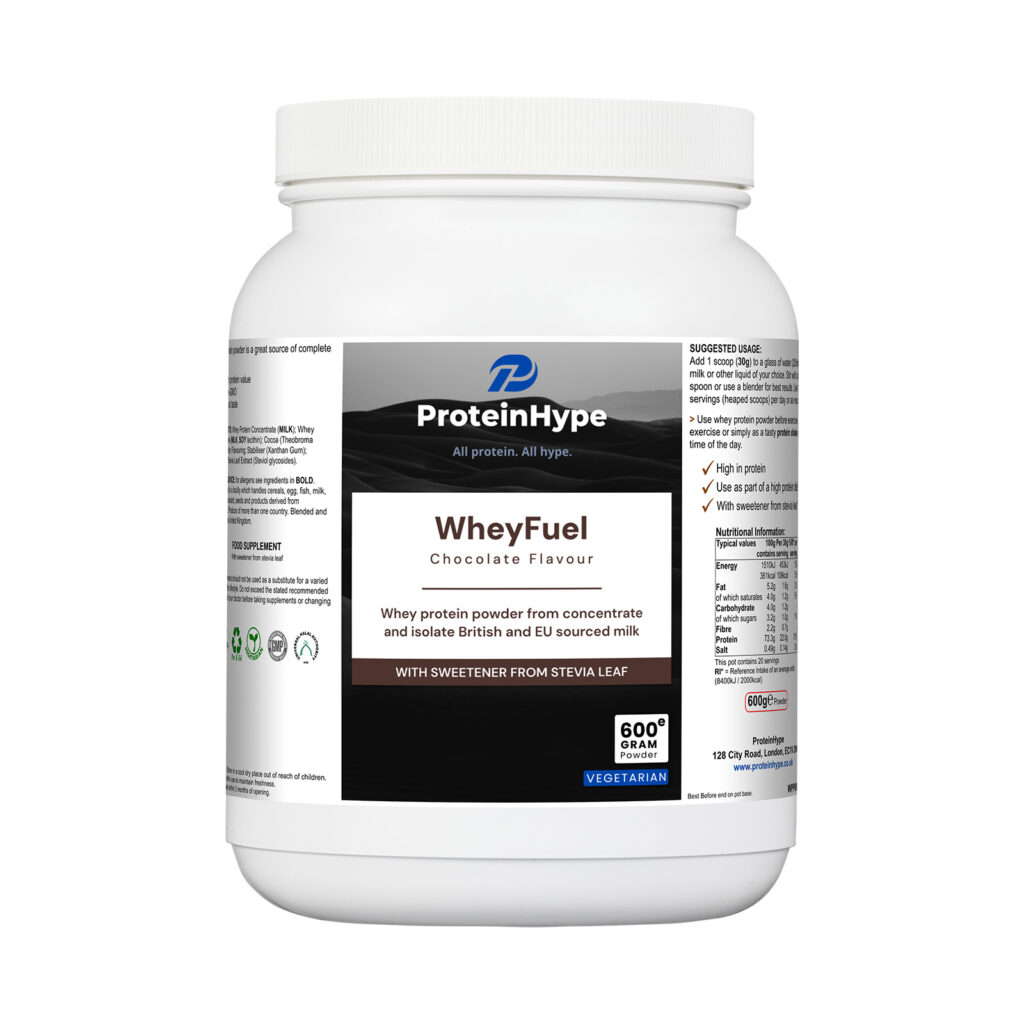
ProteinHype offers protein products such as WheyFuel, which provides over 23g of protein per 30g serving.
If you’re considering adding shakes to your diet, read our guide to using protein powder for muscle gain.
Your total daily protein intake is generally more important than worrying about drinking a shake immediately after finishing your last set. Our protein powder timing guide explores timing in more detail.
Do You Need More Calories to Build Muscle?
Your body also needs sufficient energy to support training and recovery.
Consistently eating too few calories can make gaining muscle more difficult. For someone specifically trying to maximise muscle gain, a modest calorie surplus may help provide additional energy.
That doesn’t mean eating as much as possible.
A very large calorie surplus can result in unnecessary body-fat gain alongside any muscle you gain.
Focus instead on a balanced diet containing sufficient protein alongside carbohydrates, dietary fats, fruit and vegetables.
Carbohydrates can be particularly useful for providing energy for demanding training sessions.
How Important Is Recovery?
Training is only one part of the process.
Recovery gives your body time to adapt to the training stimulus.
Poor sleep can affect your energy, workout performance and recovery, so sleep shouldn’t be treated as an optional part of your routine.
You also don’t need to train every muscle every day to build muscle effectively. Allowing adequate recovery between demanding sessions can help you maintain training quality.
Think of training, nutrition and recovery as parts of the same process rather than concentrating exclusively on what happens in the gym.
Can You Build Muscle and Lose Fat at the Same Time?
It can be possible in some circumstances, a process often referred to as body recomposition.
Beginners, people returning to resistance training after a break and some people with higher levels of body fat may be particularly well positioned to gain muscle while reducing body fat.
Resistance training, sufficient protein and appropriate calorie intake are important.
However, trying to maximise muscle gain and fat loss simultaneously isn’t necessarily the fastest way to achieve either individual goal.
Your approach should reflect your starting point and priorities.
Why Am I Not Building Muscle?
If you’re training but aren’t seeing the progress you expected, check the basics before completely changing your programme.
Are you training consistently and gradually progressing? Are you consuming enough protein and overall energy? Are you sleeping and recovering adequately?
Also consider how long you’ve actually been following your routine.
Muscle growth is gradual, and changing programmes every few weeks because you haven’t seen a dramatic transformation can make consistency harder.
Progress photographs, body measurements and a training log can sometimes provide a better picture than relying exclusively on the bathroom scales.
How Quickly Will You Notice Results?
Some of the earliest changes you notice may be improvements in strength, exercise technique and workout performance rather than dramatic increases in muscle size.
Over the following months, consistent training and appropriate nutrition can produce increasingly noticeable physical changes.
Your progress will generally become slower as you gain more training experience.
There is no guaranteed amount of muscle everyone can gain in a particular month. Be cautious about products, programmes or social-media transformations promising dramatic results within just a few weeks.
If you want to build muscle for the long term, measuring progress over months rather than days provides a much more realistic perspective.
So, How Long Does It Take to Build Muscle?
There is no universal deadline.
Beginners can often progress faster, while experienced lifters generally need more time and careful programming to continue gaining muscle.
The most productive approach is to concentrate on the factors you can control.
Train consistently and progressively. Eat enough protein and overall energy to support your goals. Prioritise recovery and give the process enough time.
You won’t completely transform your physique after a handful of workouts, but small improvements can accumulate significantly over months and years.
If you want to build muscle successfully, the best approach isn’t usually the most extreme.
It’s the one you can consistently maintain.
ProteinHype: Protein and Supplements for Your Training
Supplements shouldn’t replace a balanced diet and consistent training, but they can provide a convenient way to complement your routine.
ProteinHype offers a range of protein products and sports supplements, including whey protein, creatine, pre-workout and recovery products.
Whether you want to build muscle, increase your protein intake or make your post-workout routine more convenient, explore the ProteinHype range to find products to complement your training goals.
For more fitness, nutrition and supplement advice, visit ProteinHype.
Note: This content is for informational purposes only and is not medical advice. Consult with a healthcare professional before making significant dietary changes, especially if you have pre-existing health conditions. Food supplements should not be used as a substitute for a varied, balanced diet.
Best Selling Protein Supplements
-

WheyFuel (Vanilla Flavour)
£39.99 — or subscribe to save 10% -
WheyFuel (Chocolate Flavour)
£39.99 — or subscribe to save 10% -
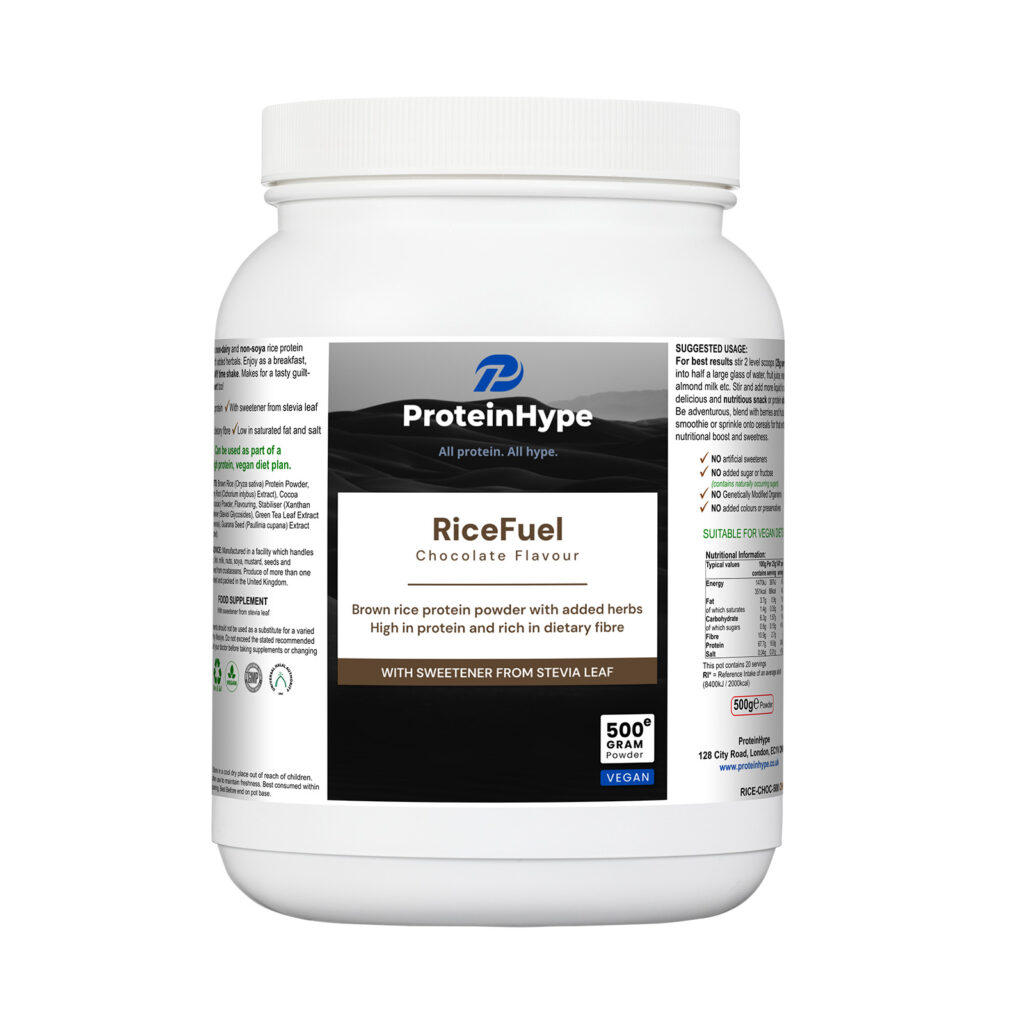
RiceFuel (Chocolate Flavour)
£16.99 — or subscribe to save 10%