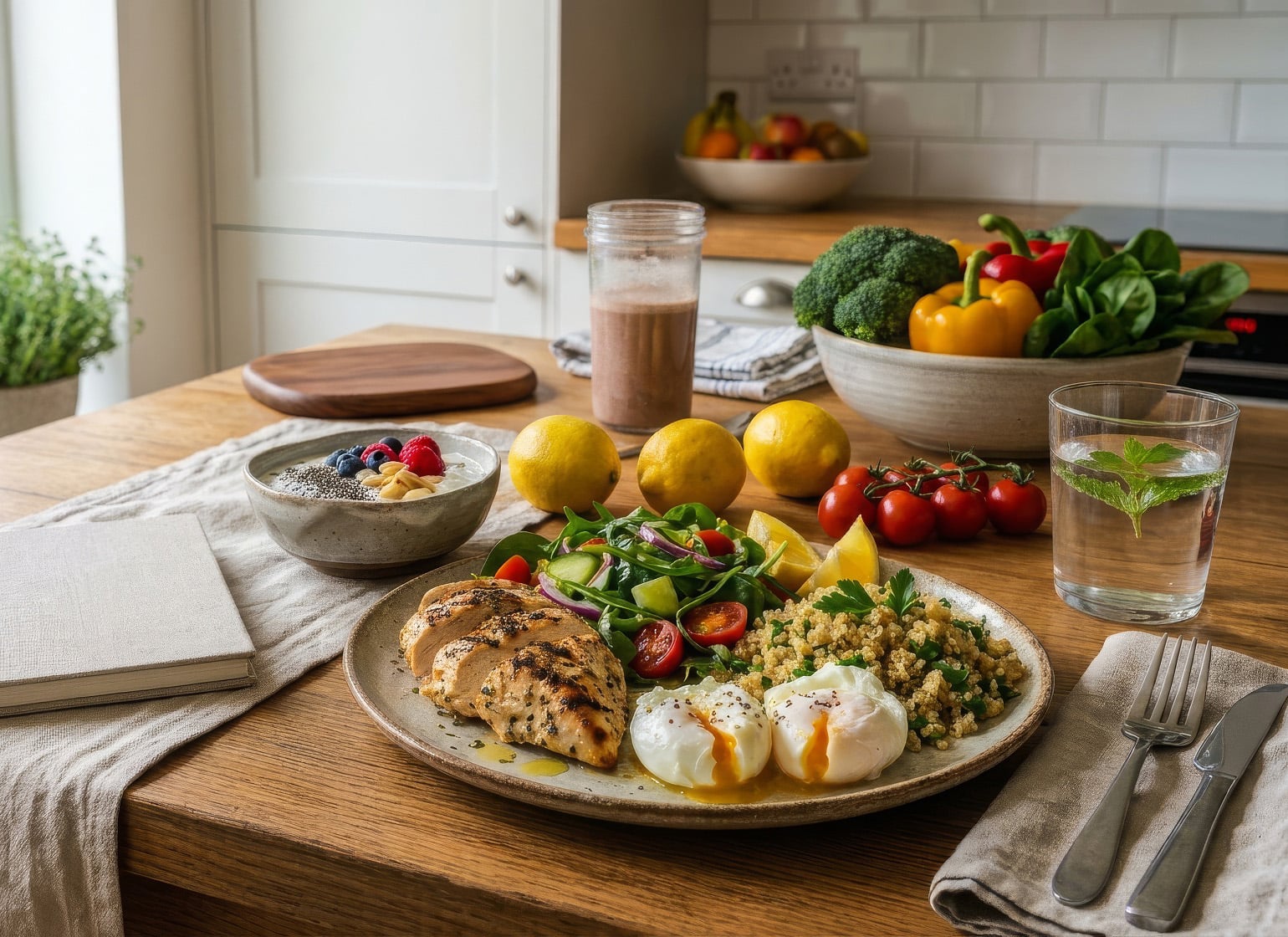
Knowing how much protein per meal to eat can help you plan your daily intake, whether your goal is building muscle, supporting recovery or maintaining a balanced diet. Alongside your total daily protein intake, spreading protein across meals can be a practical way to meet your nutritional needs.
You may have heard that your body can only use 20–30g of protein at a time. However, the science is more complicated than that. Your body digests and absorbs protein from meals, and the amount that supports muscle protein synthesis depends on factors such as your body size, activity level, protein source and overall diet.
This guide explains how much protein per meal to aim for, whether larger servings are wasted and how to spread protein throughout the day.
How Much Protein Per Meal Do You Need?
There is no single answer to how much protein per meal everyone needs. Your daily requirements depend on your body weight, age, activity levels and goals. Someone who exercises regularly and wants to build muscle may need more protein than someone who is less active.
Understanding how much protein per meal to eat can make it easier to reach a suitable daily target. Include protein at breakfast, lunch, dinner and, if needed, a snack. You do not have to eat precisely the same amount at every meal.
For example, if your daily target is 120g of protein, you could divide it into four meals containing around 30g each. Alternatively, you could have three larger meals and a protein-rich snack. The best approach to how much protein per meal depends on your daily target and routine.
Example Protein Targets Per Meal
| Daily protein target | Three meals | Four meals |
|---|---|---|
| 75g | 25g per meal | Around 19g per meal |
| 100g | Around 33g per meal | 25g per meal |
| 120g | 40g per meal | 30g per meal |
| 150g | 50g per meal | Around 38g per meal |
These figures are examples rather than universal recommendations. Snacks can contribute to your daily total, and your ideal protein target will depend on your circumstances. Use these examples as a starting point when deciding how much protein per meal suits your needs.
If you are unsure where to start, read our protein guide for beginners for an introduction to protein requirements and sources.
Can Your Body Only Absorb 20–30g of Protein at Once?
One common protein myth is that your body can only absorb around 20–30g of protein in a single meal. This confuses protein absorption with muscle protein synthesis.
Protein absorption happens when your digestive system breaks dietary protein down into amino acids and smaller peptides that your body can use. There is no established universal 20–30g absorption limit.
Muscle protein synthesis is the process your body uses to build and repair muscle proteins. A meal containing a moderate amount of protein can stimulate this process, but the response varies depending on the individual, the type of protein, exercise and other factors.
Eating more protein than is needed to maximise the immediate muscle-building response does not mean the extra protein goes to waste. Amino acids can contribute to other body proteins and functions, and they may also be used for energy.
Understanding how much protein per meal you eat is more useful when you consider your overall diet rather than treating 20–30g as a strict maximum. When deciding how much protein per meal to include, consider your daily intake, activity level and individual goals.
Research suggests that the muscle-building response to a meal varies according to the amount of protein consumed and the circumstances surrounding it. You can read more in this research review on protein intake per meal.
How Should You Spread Protein Throughout the Day?
For many people, including protein at breakfast, lunch and dinner, with an optional snack, is a straightforward way to meet their daily needs.
The best approach to how much protein per meal is one that fits your appetite, routine, food preferences and daily protein target. You do not need to eat at precisely timed intervals or make every meal contain exactly the same amount. Instead, plan how much protein per meal works for your schedule and overall intake.
Breakfast
Breakfast is an opportunity to include protein rather than leaving most of your intake until the evening. Getting enough protein per meal can be more challenging if you regularly skip breakfast or choose foods containing very little protein.
Options include:
- Eggs on wholemeal toast
- Greek yoghurt with oats and nuts
- Porridge made with milk and a serving of protein powder
- Tofu scramble with wholemeal toast
Including protein at breakfast can make it easier to reach your daily target without needing very large servings later in the day. It also helps distribute how much protein per meal you consume across your usual eating occasions.
Lunch
Build lunch around a protein source and combine it with vegetables, carbohydrates and other foods that suit your needs.
Good options include:
- Chicken or tuna sandwiches
- Lentil and chickpea salads
- Tofu or tempeh bowls
- Beans with rice
- Leftovers from a protein-rich evening meal
The protein content depends on portion sizes and ingredients. If you are tracking your intake, check food labels or use a reliable nutrition database to estimate how much protein you are getting at lunch. This can help you decide how much protein per meal you need at other times of the day.
Dinner
Dinner can contribute a substantial part of your daily protein intake. Chicken, fish, lean meat, eggs, beans, lentils, tofu and other soya products can all help.
You do not need to avoid a larger serving at dinner simply because you have already eaten protein earlier in the day. Consider your overall intake and choose a pattern that is sustainable. There is no need to make every meal identical when planning how much protein per meal to eat.
Snacks and Protein Shakes
If you struggle to get enough protein from your main meals, snacks can help fill the gap.
Useful options include Greek yoghurt, cottage cheese, boiled eggs, edamame and protein shakes. Nuts and seeds can also contribute protein alongside healthy fats and other nutrients.
A shake can be convenient when you are busy or when preparing a full meal is impractical. Protein powder can help you reach your preferred amount of protein per meal, although it is optional. You can meet your needs through ordinary foods if that better suits your preferences.
For practical ideas, explore our protein shake recipes for different goals. You can also browse our protein collection to find protein products that suit your routine.
How Much Protein Per Meal for Muscle Gain?
If building muscle is your main goal, your total daily protein intake is an important starting point. Resistance training, sufficient energy intake and recovery also play major roles.
Sports nutrition research commonly uses daily protein intakes around 1.4–2.0g per kilogram of body weight for exercising adults, although individual needs vary.
For example, someone weighing 75kg who aims for 1.6g of protein per kilogram would target 120g of protein per day. That could be spread across four eating occasions of approximately 30g each or distributed differently according to appetite, work schedules and training routines.
Knowing how much protein per meal for muscle gain can help you plan your intake, but your daily total matters too. If you are working out how much protein per meal to eat, spread your daily target across meals that suit your appetite, training schedule and lifestyle. You do not need to hit an exact number at every meal if your overall intake is suitable and consistent.
Protein powder can be convenient when food alone does not easily meet your needs. For more information, read our guide to protein powder for muscle gain.
Does Protein Timing Matter?
Protein timing can be useful, but it is not something most people need to overcomplicate.
Eating protein before or after training can help you fit it into your daily routine. Having a protein-containing meal after exercise is a convenient way to support recovery, particularly if you have not eaten for several hours.
However, you do not need to consume a shake immediately after your final repetition. Your overall protein intake, training consistency and regular meals are more important than chasing a narrow post-workout window.
Planning how much protein per meal around your training schedule can be helpful, but you do not need to follow a rigid timetable. Focus on a daily intake that suits your needs and a meal pattern you can maintain.
For more detail, read our pre- versus post-workout protein guide and our article on protein timing.
Animal and Plant Protein: Does the Source Matter?
Protein sources differ in their amino acid profiles, digestibility and the amount of protein they provide per serving.
Animal-based foods such as eggs, dairy, fish and meat can provide all the essential amino acids. Some plant foods, including soya, also provide all the essential amino acids, while eating a varied range of plant foods can help provide the amino acids you need.
If you follow a plant-based diet, you can get protein from tofu, tempeh, lentils, beans, chickpeas, soya products, nuts and seeds. Pay attention to serving sizes and your overall daily intake when working out how much protein per meal to get from these foods.
The protein source affects how much protein per meal you get from a particular serving, so check nutritional information when comparing foods and products. This can help you choose portions that fit your daily target.
Protein powders can be useful for either diet, depending on your preferences and requirements. Our whey versus plant protein comparison explains the differences between these options.
Common Mistakes When Planning Protein Per Meal
Focusing Only on One Meal
A large protein-rich dinner does not automatically make up for a consistently low intake across the rest of the day. Looking at your overall daily intake gives you a more useful picture of how much protein per meal fits into your routine.
Thinking More Is Always Better
Protein is essential, but consuming ever-larger quantities does not guarantee faster muscle growth. Your needs depend on your circumstances, and the rest of your diet matters too. Focus on a suitable daily target rather than assuming you need to maximise every serving.
Avoiding Larger Protein Servings
There is no need to worry that a meal containing more than 30g of protein will automatically be wasted. Your body can digest and use protein beyond that amount, although the immediate muscle-building response does not increase indefinitely.
Relying Entirely on Protein Shakes
Protein shakes are convenient, but whole foods also provide other nutrients, including vitamins, minerals, fibre and, depending on the food, healthy fats and carbohydrates.
Use supplements to complement a balanced diet rather than treating them as a replacement for every protein-rich meal. Whole foods and supplements can both help you reach a suitable daily intake.
Final Thoughts
Understanding how much protein per meal you need can help you organise your diet around your goals, whether you want to build muscle, support recovery or maintain a balanced eating routine. Start by setting a suitable daily target, then decide how much protein per meal works best for your lifestyle.
There is no single amount that everyone must eat, and you do not need to follow a rigid meal schedule or worry that everything above 20–30g will go to waste. Focus on a suitable daily protein intake, a balanced diet and a routine you can maintain.
Protein powder can help when convenience matters, but it is only one of several ways to meet your needs. Build your meals around foods you enjoy, stay consistent with your training and adjust your approach to suit your lifestyle.
Note: This content is for informational purposes only and is not medical advice. Consult with a healthcare professional before making significant dietary changes, especially if you have pre-existing health conditions. Food supplements should not be used as a substitute for a varied, balanced diet.
Best Selling Protein Supplements
-
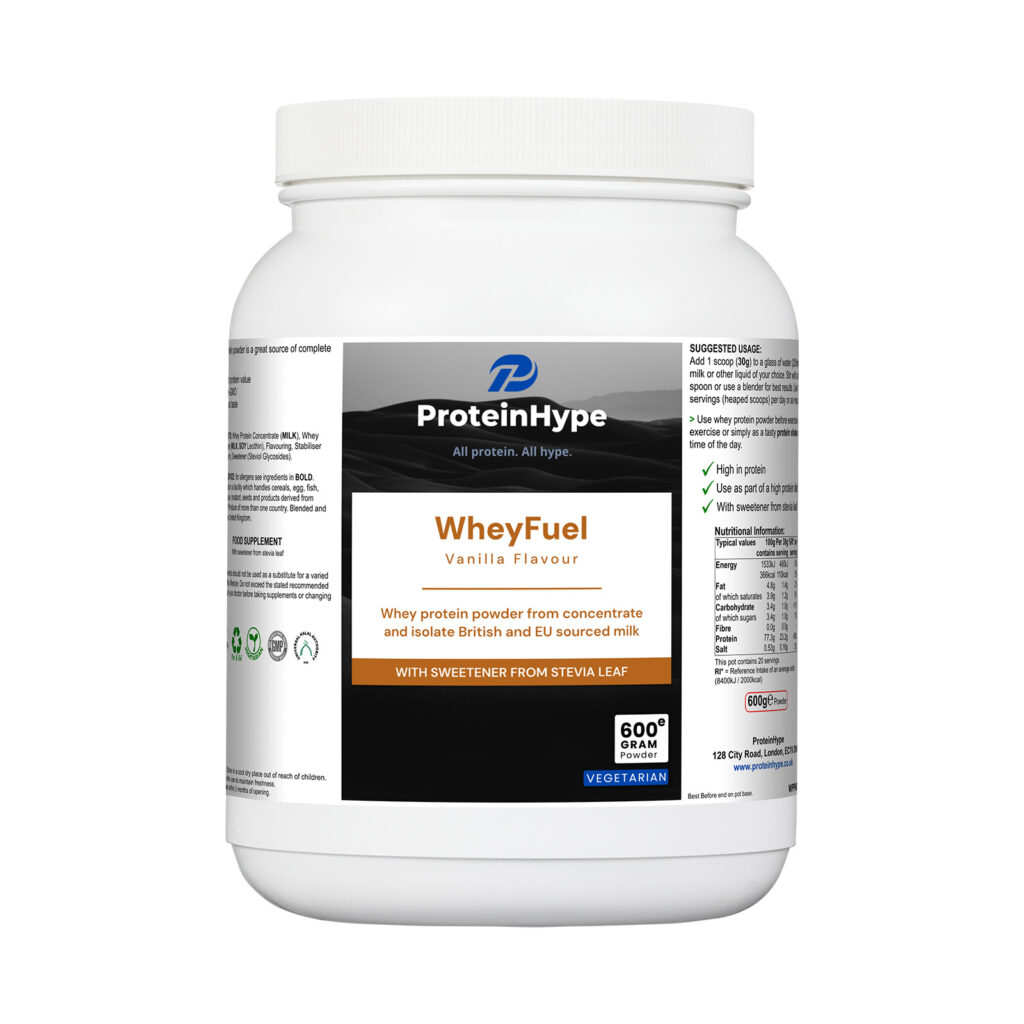
WheyFuel (Vanilla Flavour)
£39.99 — or subscribe to save 10% -
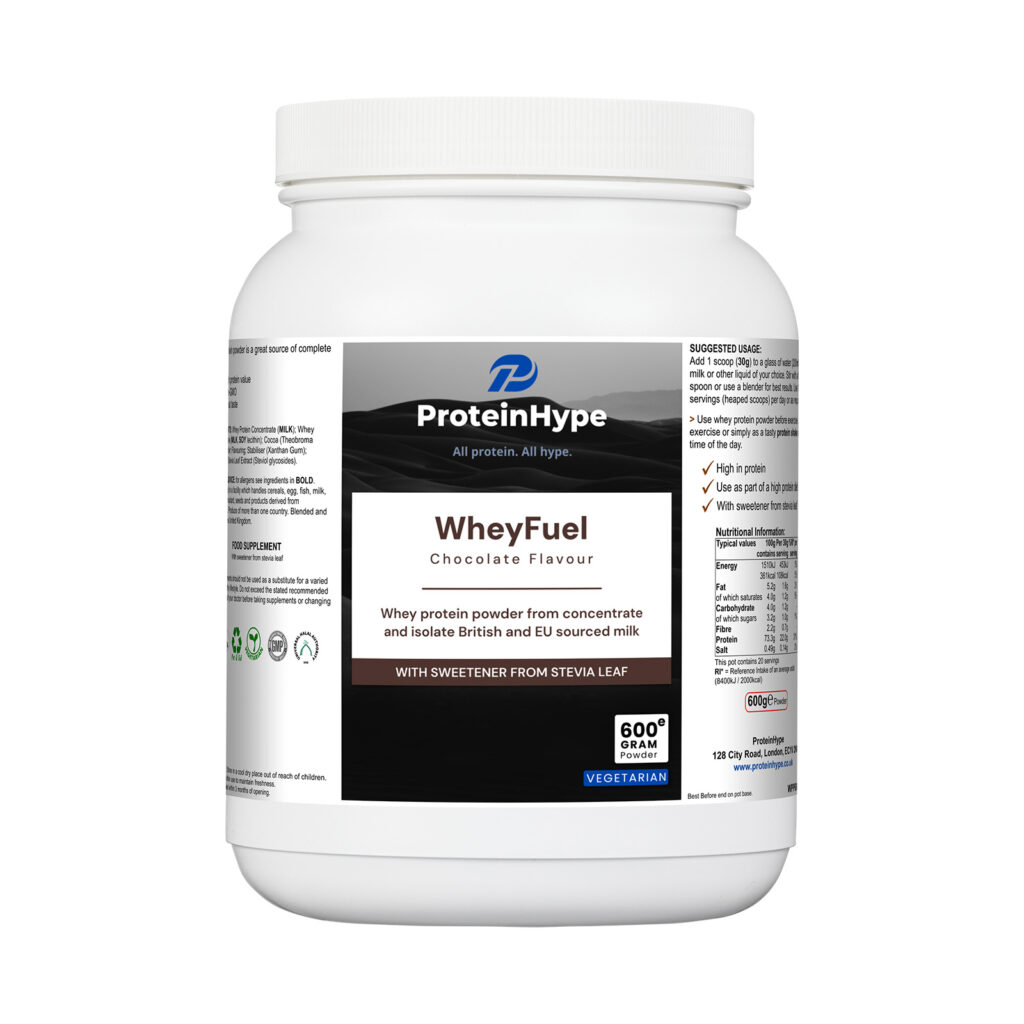
WheyFuel (Chocolate Flavour)
£39.99 — or subscribe to save 10% -
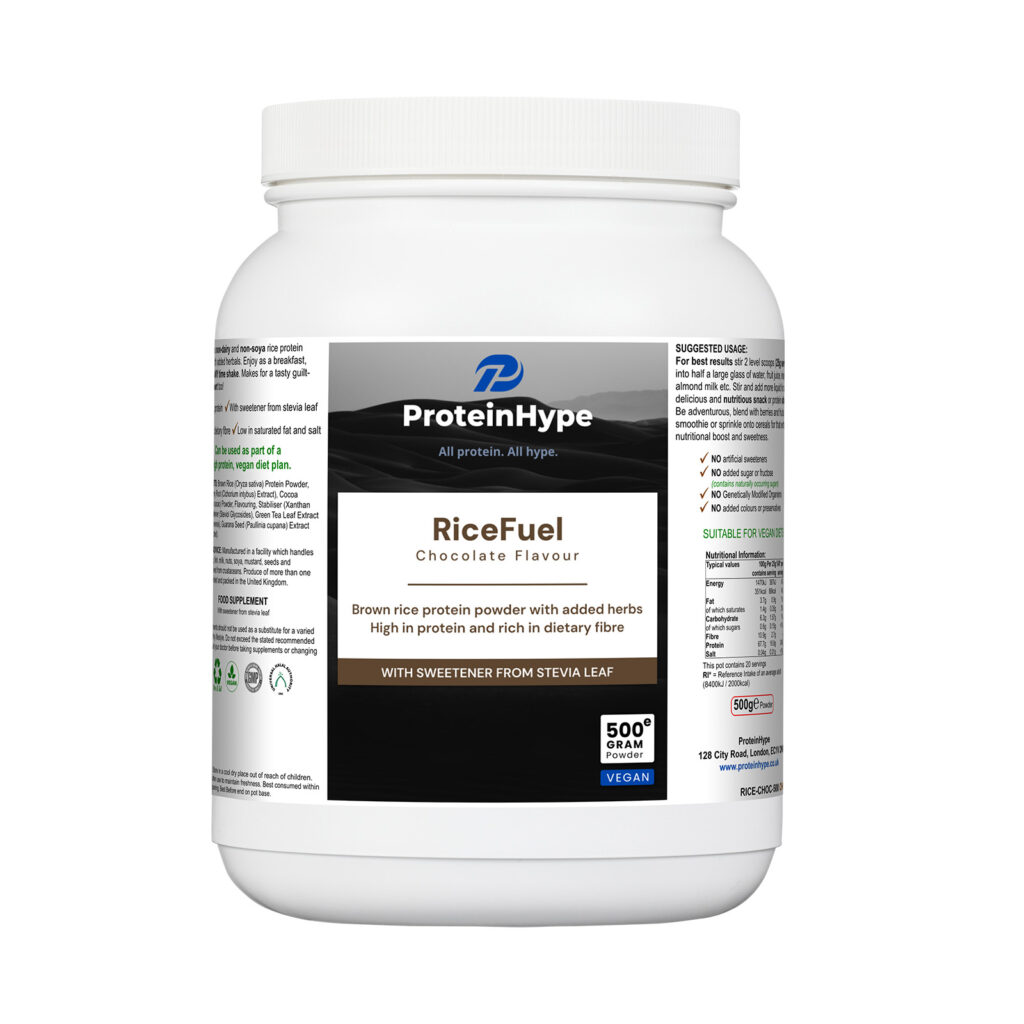
RiceFuel (Chocolate Flavour)
£16.99 — or subscribe to save 10%