Is there a perfect time to take protein powder?
If you’ve ever rushed to make a post-workout shake because you thought you had a 30-minute “anabolic window”, you’re not alone.
Protein timing receives plenty of attention in fitness, but the reality is more flexible.
Your overall protein intake remains a major priority. Timing can then help you distribute that intake sensibly around training and throughout your day.
You don’t need to drink a shake the second your final set finishes, and missing your usual time doesn’t mean you’ve wasted your workout.
Here’s how protein timing actually works and how to build a routine around your training schedule.
What Is Protein Timing?
Protein timing simply refers to when you consume protein during the day and in relation to exercise.
That can include:
- Protein before training
- Protein after training
- Protein with meals
- Protein between meals
- Protein before bed
There’s no single schedule that everyone needs to follow.
Your training time, overall diet, appetite and daily routine all influence what makes sense for you.
Research also suggests that the effects of resistance exercise on muscle protein synthesis last much longer than a tiny post-workout window.
The International Society of Sports Nutrition (ISSN) notes that the anabolic effect of exercise is long-lasting and recommends focusing on appropriate overall intake while distributing protein across the day.
You can read the ISSN position stand on protein and exercise for a detailed overview of the evidence.
Is Protein Timing Important?
It can matter, but it shouldn’t become more important than your overall diet.
If you’re consuming an appropriate amount across the day, you don’t need to panic because your post-workout meal was later than planned.
A 2025 systematic review and meta-analysis directly comparing protein consumed before versus after resistance training found no important difference in lean body mass between the two approaches.
That doesn’t mean timing is completely irrelevant.
It means the evidence doesn’t support treating one precise moment as essential for everyone.
A practical approach is therefore to establish your daily intake first and then use protein timing to distribute that intake conveniently around meals and training.
If you’re unsure how much you need, start with our Protein Guide for Beginners.
Protein Timing Before or After a Workout
Should you have your shake before or after training?
Either can work.
Protein consumed around resistance exercise provides amino acids that can support muscle protein synthesis and adaptation.
If you’ve eaten a protein-rich meal relatively close to your workout, there’s less reason to worry about immediately consuming another serving.
If you’ve trained after going several hours without eating, having some protein afterwards may be a practical priority.
Rather than treating pre- and post-workout nutrition as competing strategies, think about the context of your entire day.
For a more detailed comparison, read our Pre vs Post Workout Protein Guide.
Protein Timing for Morning Workouts
Early training can create a slightly different routine because you may be exercising shortly after waking.
Some people prefer to eat beforehand. Others find training with food in their stomach uncomfortable.
Both approaches can fit into an appropriate diet.
If You Eat Before Training
A breakfast or smaller meal containing protein before your session means you’ve already supplied amino acids before exercising.
You can then have another protein-containing meal later without feeling that you must drink a shake immediately.
If You Train Before Breakfast
If you prefer exercising before eating, having a protein-containing breakfast or shake afterwards is a convenient approach.
For example:
6:30 AM: Wake up
7:00 AM: Train
8:00 AM: Protein-containing breakfast or shake
12:00 PM: Protein-containing lunch
There’s no need to race against a 30-minute countdown.
Protein Timing for Afternoon Workouts
Afternoon training is often straightforward because you’ve probably already eaten breakfast and lunch.
If lunch contained a meaningful amount of protein and you’re training a few hours later, you may already be well positioned nutritionally.
After training, have your next normal protein-containing meal or use a shake if that’s more convenient.
A typical routine might look like:
8:00 AM: Breakfast
12:30 PM: Lunch
4:00 PM: Training
5:30 PM: Protein shake or meal
8:00 PM: Dinner
The exact clock times aren’t important.
What’s useful is having protein distributed sensibly across the day rather than trying to fit most of your intake into one meal.
Protein Timing for Evening Workouts
Evening training creates another common question: should you still have protein if you’re going to bed relatively soon?
Yes, if it helps you meet your nutritional needs.
You could have dinner after training, use a shake, or combine the two depending on your appetite and schedule.
For example:
8:00 AM: Breakfast
1:00 PM: Lunch
5:30 PM: Protein-containing snack or meal
7:00 PM: Training
8:30 PM: Dinner
You don’t necessarily need an additional shake if your evening meal already provides enough protein.
Protein powder is a convenient food supplement, not a compulsory part of every workout.
What About the Post-Workout Anabolic Window?
The traditional idea was that you needed to consume protein almost immediately after exercise or you’d miss a narrow opportunity for muscle growth.
Current evidence paints a more flexible picture.
Resistance exercise increases the muscle’s sensitivity to protein for considerably longer than 30 minutes.
That means your workout doesn’t suddenly become worthless because you didn’t drink a shake in the changing room.
Research published in 2025 comparing pre- and post-exercise supplementation also found no important difference in resulting lean body mass.
So your protein timing strategy doesn’t need to revolve around a stopwatch.
Consuming protein reasonably close to training can be practical, but the rest of your daily diet still matters.
How Much Protein Should You Have at a Time?
There’s no universal amount that’s perfect for everyone.
Needs depend on factors including body size, age, activity and the rest of your diet.
The ISSN suggests approximately 0.25g of high-quality protein per kilogram of body weight per serving, or roughly 20–40g as a general recommendation for exercising individuals.
It also suggests distributing servings approximately every three to four hours across the day.
Those figures are useful guidelines rather than rigid rules.
Importantly, eating more than 40g of protein doesn’t mean everything above that amount is “wasted”.
Your body can digest and use larger quantities of protein.
A 2023 human study found that consuming 100g after exercise produced a larger and more prolonged anabolic response than 25g, challenging the idea that the body simply stops benefiting after a small fixed amount.
So don’t worry if dinner happens to contain more protein than breakfast.
Should You Spread Protein Throughout the Day?
For many people, distributing intake across several meals is a practical strategy.
Instead of eating very little at breakfast and lunch and then trying to consume almost everything at dinner, you could include a meaningful source at each meal.
For example:
- Breakfast: eggs, yoghurt or a protein shake
- Lunch: chicken, fish, tofu, beans or another source
- Afternoon: yoghurt, protein shake or another suitable snack
- Dinner: a protein-rich main meal
Protein timing doesn’t need to be more complicated than that.
The goal is a pattern you can maintain consistently.
Should You Take Protein Before Bed?
Pre-sleep protein has been studied as another potential opportunity to support overnight muscle protein synthesis.
A systematic review found that consuming approximately 20–40g of casein around 30 minutes before sleep can increase overnight protein synthesis, although longer-term benefits aren’t equally established across all populations.
That doesn’t mean everyone needs a bedtime shake.
If you’ve already met your nutritional needs and eaten a suitable evening meal, forcing down another serving isn’t automatically better.
However, if you’re short of your normal intake, a pre-bed serving can be a convenient way to fill that gap.
Does the Type of Protein Change the Best Time?
Different protein sources vary in their digestion and amino-acid profiles, but you don’t need a different powder for every hour of the day.
Whey is popular around training because it’s convenient, high in essential amino acids and rapidly digested.
Plant proteins can also contribute towards your daily intake.
If you’re deciding which type suits you, read our Whey vs Plant Protein comparison.
The best choice ultimately depends on your diet, preferences, tolerance and nutritional requirements.
Protein timing shouldn’t turn choosing a powder into something unnecessarily complicated.
Does Protein Timing Matter on Rest Days?
Yes in the sense that you still need appropriate nutrition, but you don’t need a special rest-day schedule.
Muscle recovery and adaptation continue after your workout has finished.
Continue eating your normal protein-containing meals throughout the day.
There’s no need to dramatically reduce intake simply because you’re not training that day.
Similarly, you don’t need to consume a shake at the exact time you would normally exercise.
Focus on your overall diet.
What If You Miss Your Post-Workout Shake?
Nothing disastrous happens.
If you planned to drink a shake after training but forgot, have protein with your next meal.
One late shake doesn’t erase your training session.
This is where understanding protein timing can remove unnecessary anxiety.
The aim is consistency across weeks and months, not perfect execution every day.
If your overall training and nutrition are appropriate, occasionally eating later than planned isn’t something to worry about.
Protein Powder Makes Timing More Convenient
One of the biggest advantages of protein powder is convenience.
Whole foods can provide all the protein many people need, but preparing a full meal isn’t always practical.
A shake can be useful:
- After an early workout
- Between meals
- At work
- After evening training
- When travelling
- When your normal meal is low in protein
That’s where supplements can fit naturally into a balanced diet.
Browse the ProteinHype protein powder range if you’re looking for a convenient way to supplement your normal food intake.
A Simple Protein Timing Plan
You don’t need a complicated personalised formula.
Start with three priorities.
1. Establish Your Daily Intake
Work out an appropriate overall intake based on your diet, activity and goals.
Don’t sacrifice this simply to achieve supposedly perfect timing.
2. Distribute Protein Across Your Meals
Include protein at several points throughout the day rather than worrying about one magic serving.
A pattern of servings separated by roughly three to four hours is a useful general framework for active people.
3. Fit Protein Around Your Training
Have a suitable protein-containing meal or shake somewhere around your training according to what fits your routine.
If you ate shortly before training, you don’t need to panic about drinking a shake immediately afterwards.
If you’ve gone a long time without eating, prioritising a meal or shake after your session makes practical sense.
That’s protein timing without the unnecessary complexity.
Protein Timing: The Bottom Line
Protein timing can help you organise your nutrition, but you don’t need to chase a tiny anabolic window.
Your overall diet and protein intake remain fundamental.
From there, distributing protein across several meals and consuming it somewhere around your training provides a straightforward strategy.
Research supports both pre- and post-workout protein, and current evidence doesn’t show an important difference in lean-mass gains simply from choosing one side of the workout over the other.
Pre-sleep protein can also be useful in certain circumstances, but it isn’t compulsory.
Think of protein timing as a way to organise an already good diet rather than a trick that makes or breaks your results.
Train consistently, eat appropriately and use protein powder when its convenience genuinely helps.
Note: This content is for informational purposes only and is not medical advice. Speak to a qualified healthcare professional or registered dietitian if you have concerns about your individual protein requirements, diet or use of supplements. Food supplements should not be used as a substitute for a varied, balanced diet.
Best Selling Protein Supplements
-

WheyFuel (Vanilla Flavour)
£25.99 — or subscribe to save 10% -
WheyFuel (Chocolate Flavour)
£25.99 — or subscribe to save 10% -
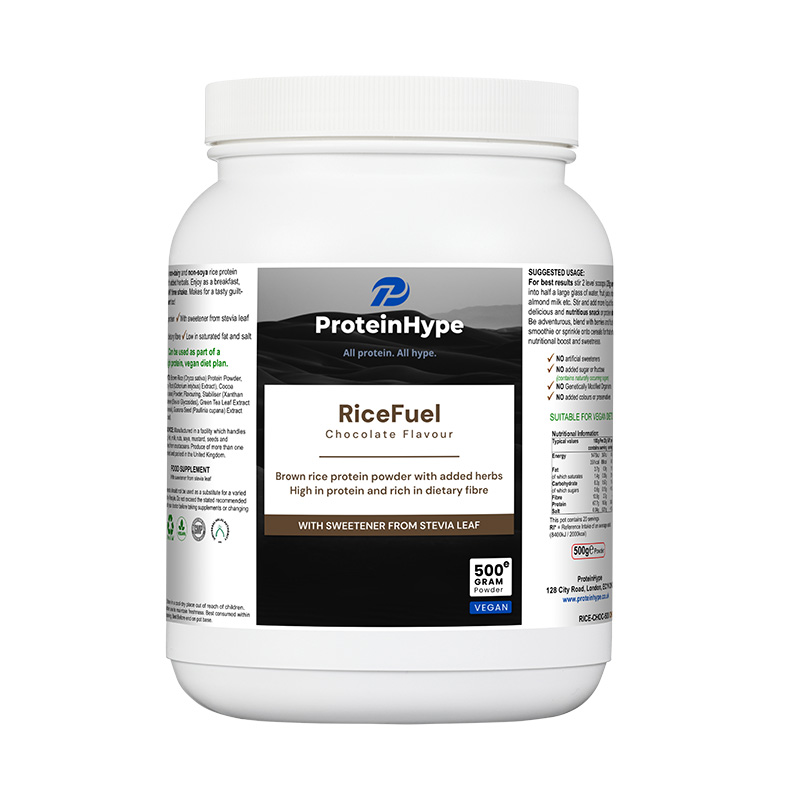
RiceFuel (Chocolate Flavour)
£15.99 — or subscribe to save 10%