When you think about protein powder, your first thought might be post-workout shakes, gym bags and muscle recovery.
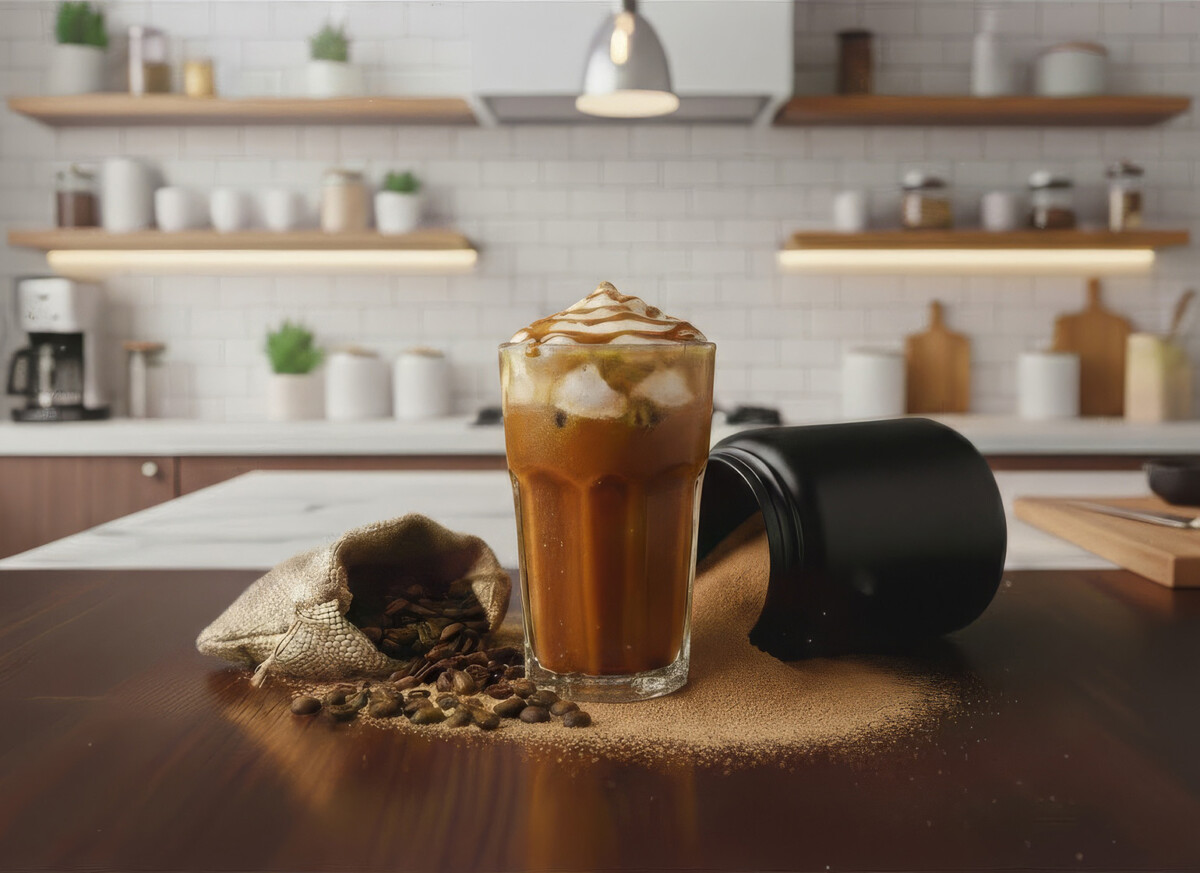
But there’s another way to use it that’s becoming increasingly familiar: protein coffee.
Sometimes called “proffee”, it simply combines coffee with a source of protein, usually protein powder or a ready-made protein drink.
For coffee lovers, it’s an easy way to add more protein to an existing daily routine without making another separate shake.
But is there actually any benefit, which powders work best, and how do you stop protein powder turning into lumps when it meets hot coffee?
Here’s what you need to know.
What Is Protein Coffee?
Protein coffee is exactly what it sounds like: coffee combined with additional protein.
There isn’t one official recipe.
You could make it using:
- Espresso and a protein shake
- Filter coffee and protein powder
- Cold brew and protein
- An iced latte with added protein
- Coffee blended with milk and protein powder
It can therefore range from a simple cup of coffee with a small amount of powder to a substantial drink containing a full serving of protein.
The important point is that adding protein doesn’t fundamentally change what coffee is. You’re simply combining two things that many people already consume separately.
Why Are People Adding Protein to Coffee?
Convenience is probably the biggest reason.
If you already drink coffee every morning and you’re trying to increase your daily protein intake, combining the two can be easier than making a separate drink.
It can also add flavour and texture.
Vanilla protein can create something similar to a flavoured latte, while chocolate works particularly well for a mocha-style drink.
There are nutritional reasons too.
Protein contributes to the growth and maintenance of muscle mass and the maintenance of normal bones. Adding a meaningful amount to your morning drink can therefore contribute towards your overall daily intake.
That’s particularly useful if breakfast is normally relatively low in protein.
Does Protein Coffee Give You More Energy?
Coffee and protein play very different roles.
Caffeine is a stimulant and can increase alertness, while protein provides amino acids your body uses for numerous functions.
Adding protein powder doesn’t turn caffeine into a longer-lasting stimulant, and there isn’t good evidence that protein specifically slows caffeine absorption enough to prevent the familiar “coffee crash”.
So it’s better not to think of protein coffee as a special form of sustained-release caffeine.
Instead, consider the two components separately.
Coffee provides the caffeine and familiar flavour, while the added powder contributes protein and potentially makes the drink more substantial.
Can Protein Coffee Help You Feel Fuller?
Protein can contribute to satiety, so a drink containing a meaningful amount may be more filling than plain black coffee.
However, that doesn’t automatically make it a complete breakfast.
A balanced breakfast can also provide carbohydrates, fibre, healthy fats, vitamins and minerals.
If you’re using your drink alongside breakfast, that’s straightforward.
If you’re deliberately using one as a meal, consider what the entire drink contains rather than looking only at its protein content.
For example, adding milk, oats or other ingredients can create a more substantial drink than simply mixing espresso with protein powder and water.
Protein Coffee and Muscle Growth
Adding protein to coffee doesn’t give protein any unique muscle-building properties.
What matters more is how much protein you consume throughout the day alongside appropriate resistance training and sufficient overall nutrition.
However, the convenience can help.
If adding a scoop to your morning coffee makes it easier to meet your daily protein needs consistently, it can contribute towards your overall nutrition strategy.
If you’re unsure how much you actually need, read our protein guide for beginners.
You can also learn more about using protein powder for muscle gain.
Is Protein Coffee Good After a Workout?
It can be a convenient post-workout option.
Protein supplies amino acids, while coffee provides caffeine if you’re drinking a caffeinated version.
However, there’s nothing uniquely beneficial about putting the two in the same cup.
If you enjoy coffee after morning training and would otherwise have a protein shake separately, combining them can simply make your routine easier.
Your overall protein intake remains more important than whether the powder happens to be mixed with coffee.
Our protein powder timing guide explains why you don’t need to obsess over a tiny post-workout window.
How to Make Protein Coffee Without Lumps
This is where many first attempts go wrong.
Adding a scoop of powder directly to very hot coffee and stirring it with a spoon can leave you with unpleasant clumps.
Fortunately, there are easier methods.
Mix the Protein Separately
One reliable approach is to mix your powder with a small amount of cold or room-temperature liquid first.
Add a little water or milk and stir or shake until smooth.
You can then gradually combine this mixture with your coffee.
Use a Shaker
Prepare your protein shake separately and then add coffee to it.
This works particularly well for iced drinks.
Don’t put hot liquid into a sealed protein shaker unless the shaker is specifically designed for hot liquids, as pressure can build inside.
Use a Milk Frother
A handheld milk frother can help incorporate powder into a latte-style drink.
Prepare the protein mixture first and then combine it with your espresso or brewed coffee.
Try Iced Coffee
Cold protein coffee is one of the easiest options because you don’t have to worry about adding powder directly to a very hot drink.
Combine cold coffee, milk or water and your powder before adding ice.
Does Hot Coffee Damage Protein Powder?
You don’t need to worry that ordinary hot coffee suddenly makes protein nutritionally useless.
Heat can alter the physical structure of proteins through a process known as denaturation, but denaturation doesn’t mean the protein disappears or loses all of its nutritional value.
Cooking protein-rich foods such as eggs is a familiar example of proteins changing structure when heated.
The bigger practical issue with very hot coffee is texture.
Powder can clump and become less pleasant to drink, which is why mixing it separately before combining it with your coffee generally works better.
Which Protein Powder Works Best in Coffee?
Flavour and texture make a significant difference.
Vanilla
Vanilla is one of the easiest flavours to pair with coffee.
It can create a sweeter latte-style drink without overpowering the coffee itself.
Chocolate
Chocolate protein works naturally in a mocha-style drink.
Combine it with espresso, milk and ice for an easy iced mocha.
Unflavoured
If you want the coffee flavour to remain dominant, an unflavoured powder may be preferable.
Plant Protein
Plant-based powders can also work, although their texture and flavour vary considerably between products.
If you’re deciding between whey and plant-based options, our whey vs plant protein comparison covers the differences in more detail.
Three Easy Protein Coffee Ideas
You don’t need complicated recipes to get started.
Vanilla Protein Latte
Prepare an espresso or strong coffee.
Separately mix vanilla protein powder with milk until smooth, then combine the two.
Serve warm or pour over ice.
Chocolate Protein Mocha
Mix chocolate protein powder with milk before adding espresso.
For an iced version, combine everything before pouring over plenty of ice.
Iced Protein Coffee
Combine cold brew or cooled coffee with your preferred protein powder and milk in a suitable shaker or blender.
Mix until smooth and serve over ice.
It’s probably the simplest option if you’ve struggled with clumping in hot drinks.
More Protein Coffee Recipes From CoffeeHype
If you want to move beyond the basics, CoffeeHype has a dedicated guide with four different recipes.
Their Protein Coffee: 4 Easy Recipes to Try at Home guide covers different ways to combine coffee and protein, including latte, iced and mocha-style options.
It’s a useful next read if you want the coffee-making side in more detail, while this ProteinHype guide focuses primarily on the nutrition and protein side.
How Much Protein Should You Add?
There’s no special amount required simply because you’re adding it to coffee.
Look at the serving instructions for your chosen product and consider how it fits into your total daily intake.
You don’t necessarily need a full serving every time.
If you already consume plenty through meals and other drinks, adding a smaller amount may be sufficient for what you’re trying to achieve.
Conversely, if you’re using the drink as a convenient way to increase a relatively low daily intake, a normal serving may make more sense.
The key is to think about your diet across the whole day rather than treating every cup as an opportunity to maximise protein.
What About Caffeine Intake?
Adding protein doesn’t cancel out the effects of caffeine.
If you’re drinking several coffees throughout the day, you should still pay attention to your overall caffeine intake.
The NHS advises limiting caffeine during pregnancy to no more than 200mg per day.
People vary considerably in their sensitivity to caffeine, too.
If coffee affects your sleep, makes you feel jittery or causes other unwanted effects, adding protein won’t necessarily change that.
Decaffeinated coffee is also an option if you enjoy the flavour and want the protein combination without as much caffeine.
Is Protein Coffee Worth Trying?
For coffee drinkers who already use protein powder, it can be an extremely convenient combination.
It isn’t a special supplement and it doesn’t unlock unique benefits that you’d miss by consuming your coffee and protein separately.
Its advantage is simplicity.
You’re taking something you may already drink every day and using it as another opportunity to contribute towards your protein intake.
It can also make a tasty alternative to a conventional shake.
Protein Coffee: The Bottom Line
Protein coffee combines coffee with a source of protein, usually protein powder or a prepared protein drink.
Its main advantages are convenience, additional protein and the ability to create latte, mocha and iced-coffee-style drinks.
It can be useful around training or as part of breakfast, but it doesn’t need to replace a balanced meal, and adding protein doesn’t fundamentally change how caffeine works.
For the best texture, avoid simply dumping powder into very hot coffee. Mix the powder separately with milk or water first, or start with an iced version.
If you’d like to experiment, browse ProteinHype’s protein powder range and find a flavour that complements your favourite coffee.
And for more brewing ideas and coffee-specific recipes, visit CoffeeHype or try their dedicated protein coffee recipe guide.
Note: This content is for informational purposes only and is not medical advice. Speak to a qualified healthcare professional if you have concerns about your diet, caffeine intake or use of supplements. Food supplements should not be used as a substitute for a varied, balanced diet.
Best Selling Protein Supplements
-

WheyFuel (Vanilla Flavour)
£25.99 — or subscribe to save 10% -
WheyFuel (Chocolate Flavour)
£25.99 — or subscribe to save 10% -
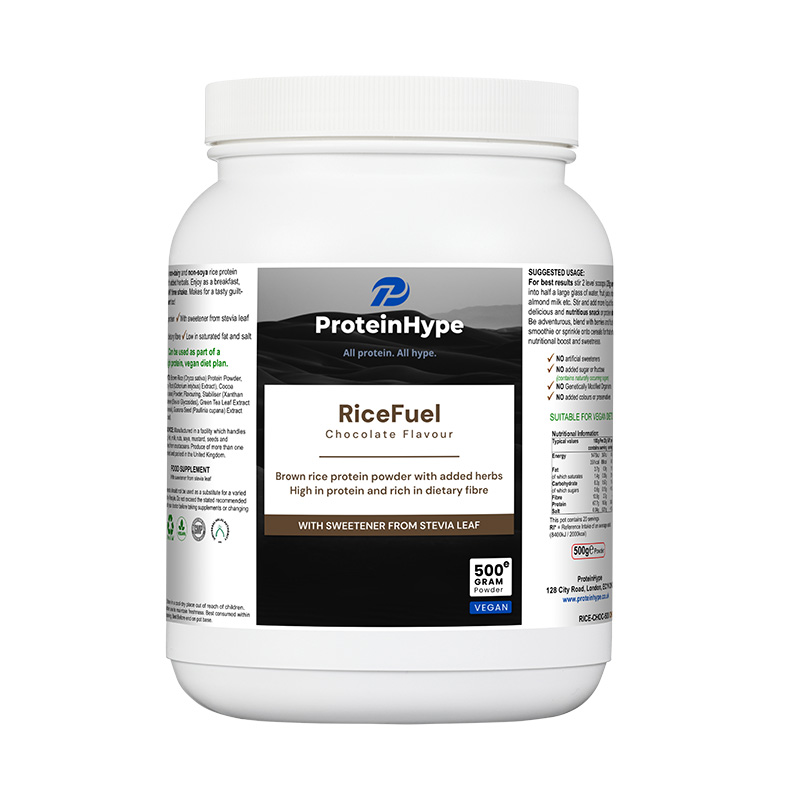
RiceFuel (Chocolate Flavour)
£15.99 — or subscribe to save 10%