When you think of protein powder, gym bags, post-workout shakes and muscle recovery probably come to mind.
But protein can also be surprisingly convenient when you’re travelling.
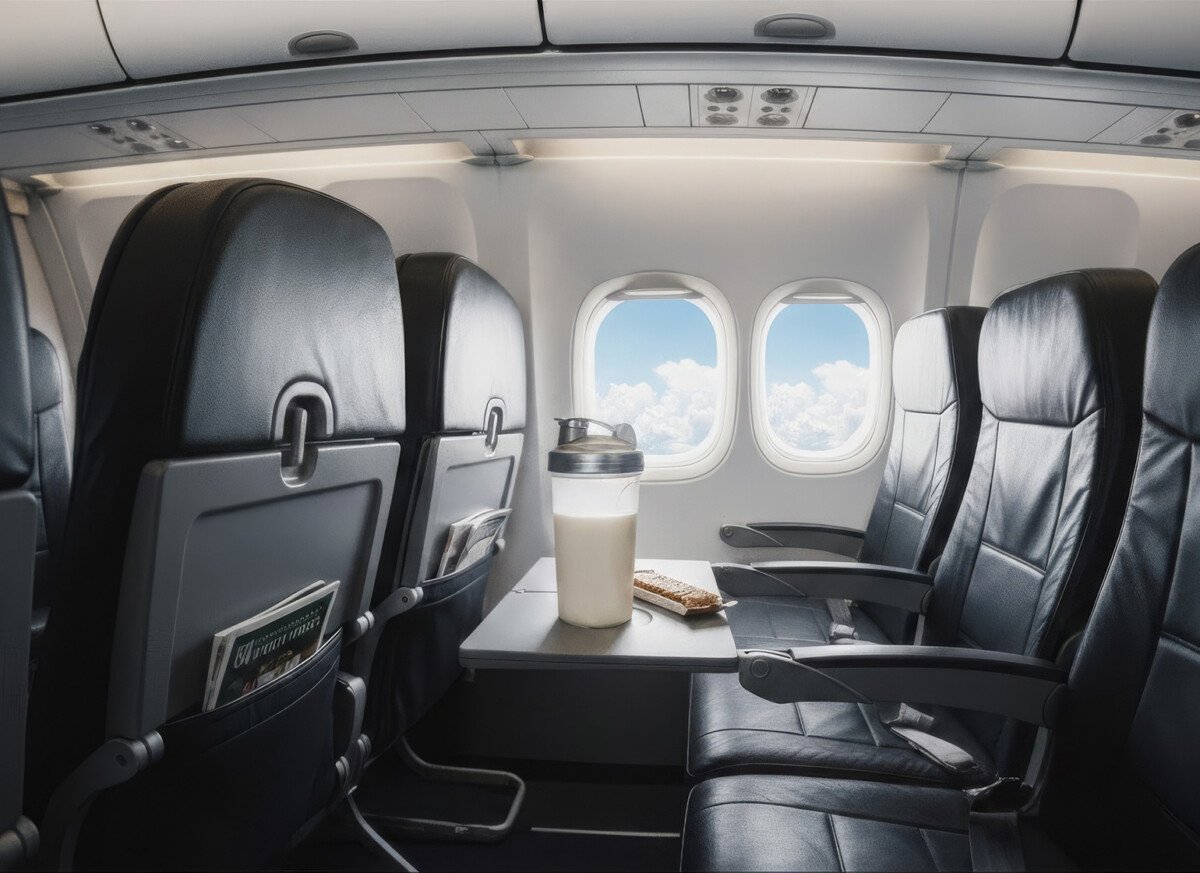
Airport food can be expensive, meal times can be unpredictable, and a long-haul flight may leave you relying on whatever happens to be available. Packing protein for travel gives you another option when you want something convenient and filling.
It won’t cure jet lag, but sensible nutrition can make travelling more comfortable while you concentrate on the things that actually help your body adjust to a new time zone.
Here’s how to plan protein for travel, what to pack and how to manage your nutrition during a long flight.
Why Pack Protein for Travel?
Convenience is the biggest advantage of protein for travel.
You might spend several hours travelling before you’ve even boarded your flight. Add a long-haul journey, connections and the trip from the destination airport to your accommodation, and normal eating routines can quickly disappear.
Bringing your own food or supplements gives you more control.
Protein also contributes to the growth and maintenance of muscle mass and the maintenance of normal bones.
For travellers who already pay attention to their protein intake at home, packing a convenient source can simply make it easier to maintain their normal routine while away.
Protein Doesn’t Beat Jet Lag
It’s important to separate good travel nutrition from jet lag itself.
Jet lag occurs when your normal sleep pattern and internal body clock are disrupted after travelling rapidly across time zones.
Symptoms can include:
- Difficulty sleeping
- Daytime tiredness
- Poor concentration
- Changes in appetite
- Digestive problems
Protein isn’t a treatment for this disruption.
The NHS guidance on jet lag recommends practical measures such as drinking plenty of water, keeping active during the flight and trying to sleep when it’s night at your destination.
After arriving, changing your sleep schedule to the new time zone and getting outside during daylight can help your body clock adjust.
So think about protein for travel because it’s a convenient nutritional option — not because a shake can reset your body clock.
What’s Wrong With Relying on Airport Food?
There’s nothing inherently wrong with eating at an airport or having an airline meal.
The difficulty is predictability.
Depending on the airport, airline and time you’re travelling, you might encounter a huge selection or very few suitable options.
You could also experience:
- Long gaps between meals
- Limited options that suit your diet
- Expensive airport prices
- Small portions
- Delays that disrupt planned meal times
- Airline meals you simply don’t enjoy
Taking protein for travel means you have a useful backup rather than relying entirely on whatever happens to be available.
Rather than labelling airport sandwiches, carbohydrates or occasional treats as “bad”, focus on having enough suitable food available to meet your needs throughout the journey.
Does Protein Keep You Fuller?
Protein can contribute to feelings of fullness, which is one reason protein-rich foods can be useful during a long journey.
That doesn’t mean you need to replace every meal with a shake.
A balanced meal containing protein alongside carbohydrates, vegetables or fruit and other nutrients is generally a better foundation.
Protein for travel is most useful when circumstances make a normal meal difficult.
For example, a protein shake and a piece of fruit might be useful during a connection when you don’t have enough time to sit down for a meal.
Best Protein for Travel
The best protein for travel is portable, easy to prepare and suitable for your particular journey.
Here are several possibilities.
1. Individual Protein Powder Portions
Protein powder is convenient because the dry powder takes up relatively little space.
Instead of carrying a large tub, measure individual portions into appropriate containers or use single-serving sachets where available.
You can then mix a serving with water or milk when you need it.
Remember that airport security rules can vary between countries and airports, so check the relevant rules for your departure and return journeys before packing powders or liquids.
2. Protein Bars
Bars require no mixing or refrigeration and can easily fit into hand luggage.
Check the nutritional information because products vary considerably in their protein, sugar, fibre and calorie content.
They’re particularly useful as an emergency option if your flight is delayed or your planned meal isn’t available.
3. Ready-to-Drink Protein Shakes
Prepared shakes are another convenient option.
Airport liquid restrictions can make taking larger drinks through security impractical, but you may be able to purchase suitable drinks after security depending on the airport.
Again, check the rules applying to your journey rather than assuming they’re identical everywhere.
4. Protein-Rich Foods
Protein for travel doesn’t necessarily have to come from supplements.
Depending on storage requirements and security or customs rules, ordinary foods can also provide protein.
Options might include suitable sandwiches, yoghurt purchased after security, nuts or other convenient foods.
For international travel, remember that countries can have restrictions on bringing certain foods across their borders.
A Simple Long-Haul Nutrition Plan
You don’t need to turn your flight into a complicated nutrition programme.
Before leaving home, have a normal balanced meal if your schedule allows.
Pack a convenient source of protein for travel along with any other suitable snacks you may want.
During the journey, eat according to your appetite and travel schedule rather than continuously snacking simply because you’re bored.
Drink water regularly, particularly on a long flight.
The NHS recommends drinking plenty of water while flying and avoiding excessive caffeine and alcohol because they can make jet lag worse.
When you arrive, begin adapting your meals and sleep schedule to local time.
Protein for Travel and Hydration
Protein shouldn’t replace water.
Aircraft cabins can feel dry, and having easy access to fluids during a long journey is important.
The NHS recommends drinking plenty of water during a flight as one of the measures that can help reduce the effects of jet lag.
Once you’ve passed airport security, you can buy water or refill a suitable reusable bottle where facilities are available.
If you’re mixing protein powder during the journey, that drink can contribute some fluid, but continue drinking normally rather than relying exclusively on shakes.
What About Caffeine?
Coffee can certainly help you feel more alert, but timing matters when you’re crossing time zones.
Too much caffeine, particularly when you’re trying to sleep, can work against your attempts to adjust.
The NHS specifically recommends avoiding excessive caffeine during a flight because it can make jet lag worse.
If you normally use caffeinated pre-workout products, energy drinks or large amounts of coffee, remember to count those alongside any other caffeine you consume while travelling.
Think about what time it is at your destination and whether you’re trying to remain awake or prepare for sleep.
Should You Eat Protein Before Sleeping on a Flight?
You don’t need a special protein snack to make yourself sleep.
The idea that protein automatically improves sleep because it contains tryptophan oversimplifies a much more complicated process.
If you’re hungry, having a suitable snack may make you more comfortable.
But if your goal is reducing jet lag, sleep timing is more important.
If it’s night at your destination, the NHS recommends trying to sleep during your flight. An eye mask and earplugs may also help.
How Much Protein Do You Need While Travelling?
Going on holiday doesn’t suddenly change your fundamental protein requirements.
You can continue aiming for approximately the same overall intake that suits you at home.
That doesn’t mean every snack needs to contain protein.
Look at your intake across the whole day and consider what you’re likely to eat before, during and after the flight.
If you’re unsure about your requirements, our protein guide for beginners explains how much you may need.
The goal of protein for travel is convenience, not consuming as much as possible.
Travelling With Protein Powder
When choosing protein for travel, dry protein powder can be particularly convenient, but preparation makes things easier.
Before travelling:
- Portion out only what you expect to use
- Keep products clearly identifiable
- Check current airport security requirements
- Check food-import rules at your destination
- Pack an appropriate shaker
- Buy or refill water after security where required
Rules can differ by airport, airline and country, so always check official information for your particular route before travelling.
Don’t rely on an old social-media post or somebody else’s experience at a different airport.
For frequent travellers, preparing your protein for travel before leaving home can make this part of the journey much simpler.
More Long-Haul Advice From TravelHype
Nutrition is only one small part of preparing for a long flight.
TravelHype’s Beat Jet Lag: Protein Tips for Travellers guide looks at travel-friendly food choices and practical ways to prepare for long journeys.
You can also visit TravelHype to compare flights, hotels and car hire and find more travel guides and advice for planning your trip.
Combining sensible travel preparation with appropriate food, hydration and sleep planning is much more useful than expecting any single food or supplement to eliminate jet lag.
ProteinHype Options for Travellers
If you already use supplements at home, packing protein for travel can make maintaining your normal routine easier.
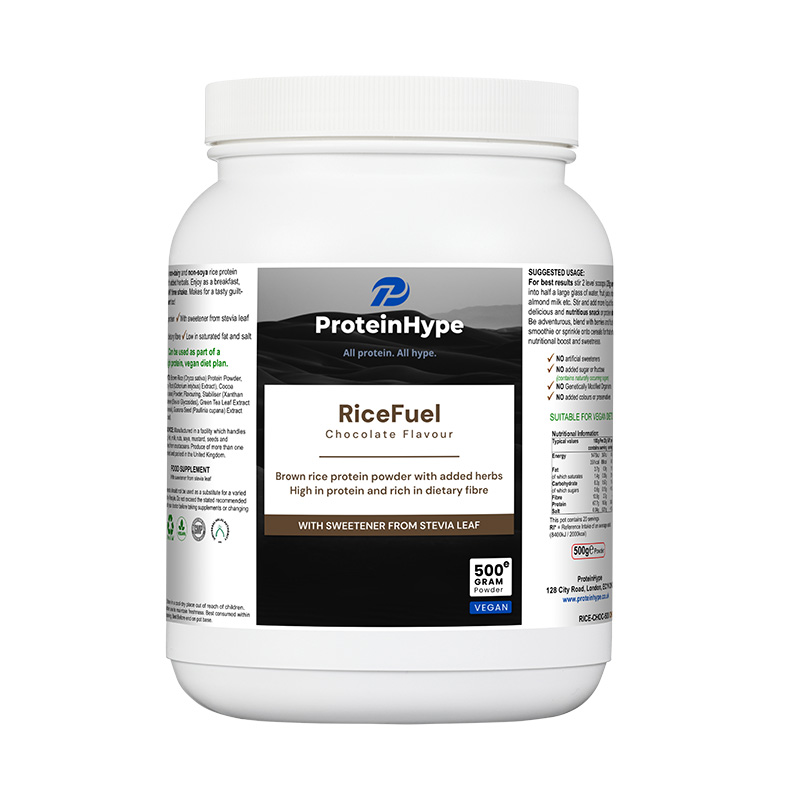
ProteinHype offers a range of protein powders that can be portioned according to the individual product’s serving instructions.
Choosing protein for travel doesn’t require a special type of supplement. Pick something appropriate for your normal diet and practical for your journey.
If you’re taking powder in hand luggage, check current security and destination requirements before packing it.
Can Good Nutrition Prevent Jet Lag?
No particular food or supplement can guarantee that you’ll avoid jet lag.
Your internal body clock needs time to adjust after rapid travel across multiple time zones.
The NHS says symptoms usually improve within a few days as your body adapts.
Useful measures include:
- Getting plenty of rest before travelling
- Adjusting your sleep schedule towards your destination where practical
- Drinking plenty of water
- Staying active during the flight
- Sleeping when it’s night at your destination
- Avoiding excessive caffeine and alcohol
- Getting daylight after you arrive
- Moving onto your destination’s sleep schedule
Nutrition can support your normal dietary needs throughout the journey, but it should sit alongside these measures rather than being presented as a cure.
Protein for Travel: The Bottom Line
Packing protein for travel can be a simple way to make long flights and unpredictable meal times easier.
Protein powder, bars and suitable protein-rich foods can provide convenient options when you don’t want to rely entirely on whatever happens to be available at the airport or onboard.
But don’t expect protein to beat jet lag.
Jet lag is primarily a disruption of your sleep-wake cycle caused by travelling across time zones. Sleep timing, daylight, hydration and adjusting to your destination are more relevant to dealing with it.
The best approach to protein for travel is simple: pack something convenient that fits your normal diet and use it when you need it.
Pack food that works for you, drink enough water, plan your sleep around your destination and give your body time to adjust.
Then you can concentrate on enjoying the reason you travelled in the first place.
For more help planning your journey, visit TravelHype for flight, hotel and car hire comparison alongside travel guides and inspiration.
Note: This content is for informational purposes only and is not medical advice. Speak to a qualified healthcare professional if you have concerns about your diet, supplements, sleep or managing jet lag. Always check current airport, airline and destination rules before travelling with food, powders or liquids. Food supplements should not be used as a substitute for a varied, balanced diet.
Best Selling Protein Supplements
-

WheyFuel (Vanilla Flavour)
£25.99 — or subscribe to save 10% -
WheyFuel (Chocolate Flavour)
£25.99 — or subscribe to save 10% -
RiceFuel (Chocolate Flavour)
£15.99 — or subscribe to save 10%