You’ve probably heard vitamin D described as the “sunshine vitamin”. That’s because, unlike most vitamins, your body can produce it when your skin is exposed to sunlight.
This essential nutrient helps keep your bones and muscles healthy, but getting enough can be difficult in the UK during autumn and winter.
Food can contribute to your intake, although relatively few foods naturally contain significant amounts. This makes knowing the best dietary sources particularly useful.
Here are five of the best food sources of vitamin D, why this nutrient matters and what current UK guidance says about supplementation.
What Is Vitamin D?
Vitamin D is a fat-soluble vitamin that helps regulate calcium and phosphate in your body.
These nutrients are required for healthy bones, teeth and muscles.
There are two principal forms:
- D2 (ergocalciferol)
- D3 (cholecalciferol)
It can come from food and supplements, but sunlight is an important natural source.
According to the NHS guidance on vitamin D, most people in the UK should be able to make what they need from sunlight between late March or early April and the end of September.
Between October and early March, however, sunlight in the UK isn’t strong enough for us to make sufficient amounts.
That’s why diet and supplementation become particularly important during the darker months.
What Are the Benefits of Vitamin D?
This nutrient performs several important functions in the body, particularly in relation to bones and muscles.
1. Supports Healthy Bones
One of its best-established roles is helping regulate calcium and phosphate.
Calcium is an important structural component of bones, and having insufficient levels can interfere with normal bone mineralisation.
Severe deficiency can cause rickets in children and osteomalacia in adults.
Maintaining an adequate intake is therefore important throughout life.
2. Supports Normal Muscle Function
Vitamin D contributes to the maintenance of normal muscle function.
This is relevant to everyone, not just people who exercise regularly.
Although supplements containing it are frequently marketed towards athletes, supplementation shouldn’t be viewed as a shortcut to better performance.
Correcting an inadequate intake is different from taking increasingly high amounts in the hope of improving training results.
3. Supports Normal Immune Function
The nutrient also contributes to the normal function of the immune system.
However, this shouldn’t be interpreted to mean that taking large doses will prevent everyday illnesses.
The aim should be to maintain an adequate intake rather than assuming more will always provide additional benefits.
Where Does Vitamin D Come From?
There are three principal sources: sunlight, food and supplements.
Sunlight
Your skin can produce the nutrient when exposed to sunlight.
In the UK, most people should be able to make sufficient amounts during spring and summer.
Between October and early March, however, the sun is too low in the sky for us to make enough from sunlight.
Food
Relatively few foods contain significant amounts naturally.
The NHS lists oily fish, red meat, liver and egg yolks among the dietary sources, while some foods have additional nutrients added through fortification.
Supplements
Supplements provide another source and are particularly relevant during the UK autumn and winter.
Current UK guidance recommends that everyone should consider taking a daily supplement containing 10 micrograms (400 IU) during autumn and winter.
Some people at greater risk of not getting enough are advised to consider supplementation throughout the year.
5 Best Food Sources of Vitamin D
Although getting everything you need from food alone can be difficult, several foods can make a useful contribution to your intake.
1. Oily Fish
Oily fish is one of the most useful natural dietary sources.
Examples include:
- Salmon
- Sardines
- Mackerel
- Herring
- Trout
The amount provided varies depending on the species, portion and other factors.
Oily fish also provides high-quality protein and long-chain omega-3 fatty acids, making it a nutritious addition to a balanced diet.
The NHS specifically lists oily fish such as salmon, sardines, trout, herring and mackerel among good dietary sources.
2. Egg Yolks
Eggs provide a smaller amount, with most of it concentrated in the yolk.
The exact quantity can vary according to factors such as the hen’s diet and farming conditions.
Eggs also provide complete protein and several other micronutrients, making them easy to incorporate into breakfast, lunch or dinner.
If you’re eating eggs as part of your dietary intake, remember that the relevant nutrient is found primarily in the yolk rather than the white.
3. Fortified Foods
Fortification means adding nutrients to foods that don’t naturally contain much of them.
Some breakfast cereals and fat spreads available in the UK are fortified with vitamin D.
Certain plant-based milk alternatives may also have it added, although amounts vary considerably between products.
Check the nutritional information on the packaging rather than assuming a particular product has been fortified.
Fortified foods can be particularly useful for people who eat little or no oily fish.
4. Red Meat
Red meat provides some and is included by the NHS among dietary sources.
However, the amount is generally lower than you’ll find in oily fish.
It can nevertheless contribute towards your overall intake as part of a varied diet.
It’s better to think about your diet as a whole rather than relying on a single food to provide everything you need.
5. UV-Exposed Mushrooms
Mushrooms can provide vitamin D, particularly when they’ve been exposed to ultraviolet light.
This makes certain mushrooms a useful option for people following vegetarian or vegan diets.
Mushrooms predominantly provide D2 rather than the D3 commonly found in animal-derived foods and many supplements.
The amount varies significantly between products and growing methods, so check the nutritional information where available.
What About Cod Liver Oil?
Cod liver oil can contain substantial amounts of this nutrient, which is why you’ll often see it included in lists of dietary sources.
However, there’s an important consideration.
Cod liver oil also contains vitamin A.
The NHS advises pregnant people to avoid supplements containing vitamin A in the form of retinol, including fish liver oil supplements.
For that reason, cod liver oil shouldn’t automatically be considered the best option for everyone.
How Much Vitamin D Do You Need?
Adults and children from the age of one need 10 micrograms (mcg) per day according to NHS guidance.
That’s equivalent to 400 International Units (IU).
Between late March or early April and the end of September, most people in the UK should be able to make what they need from sunlight on their skin.
During autumn and winter, it’s more difficult.
Because we cannot make enough from sunlight and it’s difficult to obtain enough from food alone, UK government guidance on vitamin D supplementation recommends considering a daily 10 mcg supplement during this period.
Some people should consider taking 10 mcg throughout the year. This includes people who aren’t often outdoors, usually cover most of their skin outdoors or have darker skin, such as people of African, African-Caribbean or South Asian backgrounds.
Can You Get Enough From Food?
It’s possible to obtain some of what you need through your diet, but getting enough consistently can be difficult.
There simply aren’t as many natural dietary sources as there are for many other nutrients.
Someone who regularly eats oily fish, eggs and fortified foods may obtain a useful amount from their diet, but intake can vary considerably.
That’s one reason UK guidance recommends considering supplementation during autumn and winter rather than relying entirely on food.
Should You Take a Vitamin D Supplement?
For most adults in the UK, the advice is relatively straightforward.
During autumn and winter, consider taking 10 mcg (400 IU) each day.
People at increased risk of insufficient levels should consider taking this amount throughout the year.
That doesn’t mean taking increasingly high doses provides additional benefits.
The NHS advises adults not to take more than 100 mcg (4,000 IU) per day unless advised otherwise by a healthcare professional, as taking too much over a long period can cause excessive calcium to build up in the body.
If you’ve been diagnosed with a deficiency, your healthcare professional may recommend a different dose as part of treatment.
What About D3 and K2 Supplements?
Supplements are available on their own or combined with other nutrients.
One option available from ProteinHype is LipoVita D3 + K2+, which combines D3 with K2 in a liquid formulation.
Each full 1 ml serving provides 100 mcg (4,000 IU) of D3 alongside 100 mcg of K2.
It’s important to put that amount into context.
A 100 mcg serving is ten times the UK recommended daily intake of 10 mcg and is equal to the NHS upper daily limit for adults.
For that reason, don’t assume that a full serving is appropriate for you simply because it’s available as a supplement.
Follow the product directions and speak to a doctor, pharmacist or other qualified healthcare professional if you’re unsure about the appropriate intake for your circumstances, particularly if you’re already taking another product containing vitamin D.
You can also browse ProteinHype’s wider range of vitamins and minerals.
Vitamin D: The Bottom Line
Vitamin D helps regulate calcium and phosphate and contributes to healthy bones, teeth and muscles.
Sunlight is an important source, but in the UK we cannot make enough from sunlight between October and early March.
Food can contribute to your intake. Oily fish is among the best natural sources, while eggs, fortified foods, red meat and UV-exposed mushrooms can also help.
However, obtaining enough consistently from food alone can be difficult.
That’s why current UK guidance recommends that everyone should consider taking 10 mcg each day during autumn and winter, with certain higher-risk groups advised to consider supplementation throughout the year.
Focus on meeting your needs rather than assuming a higher dose is automatically better.
Note: This content is for informational purposes only and is not medical advice. Speak to a doctor, pharmacist or other qualified healthcare professional if you have concerns about deficiency, take medication, have a medical condition, are pregnant or breastfeeding, or are considering a high-dose supplement. Food supplements should not be used as a substitute for a varied, balanced diet.
Best Selling Protein Supplements
-

WheyFuel (Vanilla Flavour)
£25.99 — or subscribe to save 10% -
WheyFuel (Chocolate Flavour)
£25.99 — or subscribe to save 10% -
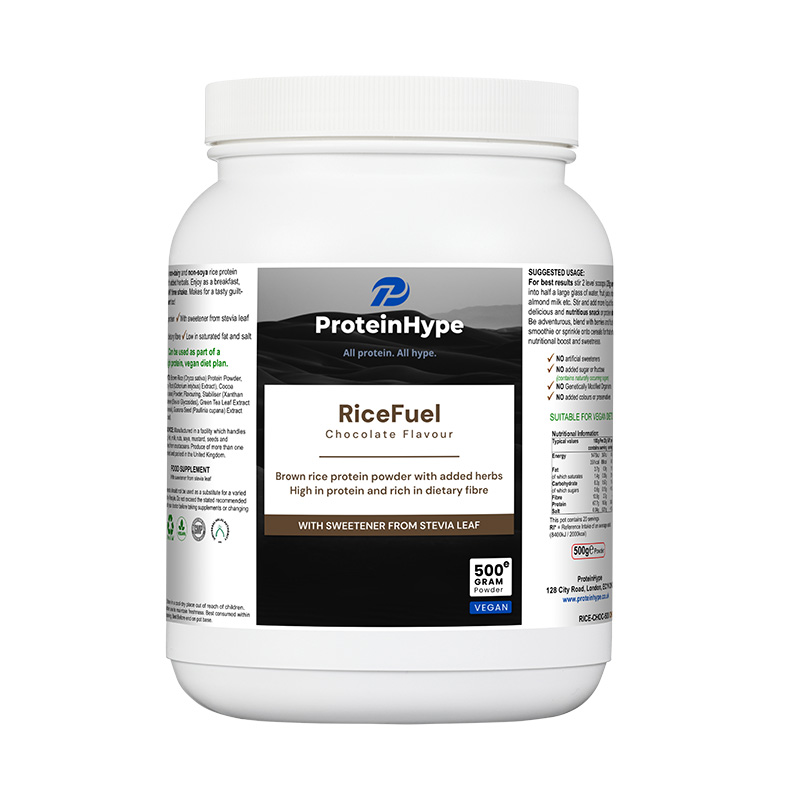
RiceFuel (Chocolate Flavour)
£15.99 — or subscribe to save 10%