
Muscle recovery is an important part of any fitness routine, whether you’re lifting weights, building strength or simply trying to stay active. While challenging workouts provide the stimulus for improvement, your body also needs enough time, food and rest to adapt.
Poor recovery habits can leave you feeling tired, reduce your training performance and make it harder to maintain a consistent exercise routine.
The good news is that improving muscle recovery doesn’t require complicated routines or expensive equipment. From getting enough sleep to eating sufficient protein, a few practical changes can help you get more from your training.
Here are seven useful tips to support muscle recovery and build a more sustainable fitness routine.
Why Is Muscle Recovery Important?
When you exercise, particularly during resistance training, your muscles experience physical stress. Your body responds through processes that repair and adapt muscle tissue over time.
Muscle recovery involves more than simply waiting for soreness to disappear. It includes restoring energy, supporting muscle protein synthesis and allowing your body to prepare for future exercise.
Good recovery habits can help you:
- Maintain consistent training performance.
- Support muscle repair and adaptation.
- Manage exercise-related fatigue.
- Reduce the likelihood of excessive training stress.
- Feel better prepared for your next workout.
Recovery needs vary depending on exercise intensity, experience, nutrition, sleep and overall health.
7 Tips to Improve Muscle Recovery
There isn’t a single method that guarantees faster recovery. However, combining sensible training habits with good nutrition and adequate rest can make a noticeable difference.
1. Eat Enough Protein Throughout the Day
Protein provides amino acids that your body uses to repair and maintain muscle tissue.
Resistance exercise stimulates muscle protein synthesis, and consuming sufficient protein supports the adaptations associated with training.
For many healthy, exercising adults, research suggests that approximately 1.4–2.0g of protein per kilogram of body weight per day can support training-related adaptations.
For example:
| Body Weight | Daily Protein Range |
|---|---|
| 60kg | 84–120g |
| 70kg | 98–140g |
| 80kg | 112–160g |
| 90kg | 126–180g |
| 100kg | 140–200g |
These are general sports nutrition ranges, not requirements for everyone. Individual needs depend on training goals, activity levels and health circumstances.
Good dietary protein sources include eggs, dairy products, fish, lean meat, beans, lentils and soy products.
Protein supplements can provide a convenient option when meeting your requirements through food is difficult.
Research published by the International Society of Sports Nutrition explains the relationship between exercise, protein intake and muscle adaptation.
For more practical advice, read our How Much Protein Per Meal? guide.
2. Prioritise Quality Sleep
Sleep plays an important role in muscle recovery and general health, helping your body adapt to the demands of exercise.
During sleep, your body carries out processes involved in tissue maintenance, energy regulation and adaptation to physical activity.
Consistently poor sleep can affect how you feel during exercise and may make it harder to maintain training performance.
To support muscle recovery through sleep:
- Aim for around 7–9 hours each night as an adult.
- Maintain consistent sleeping and waking times.
- Keep your bedroom cool, dark and comfortable.
- Avoid excessive caffeine close to bedtime.
- Allow time to relax before going to sleep.
Your individual sleep requirements may vary, particularly during demanding training periods.
Rather than focusing on one perfect night’s sleep, aim to build consistent habits over time.
3. Include Rest Days in Your Training Routine
Rest days allow you to manage accumulated fatigue and give heavily trained muscles time to recover.
Training hard every day isn’t automatically better than following a balanced exercise programme.
The amount of recovery time needed depends on the intensity of your workouts, the muscles involved and your experience.
Beginners may benefit from allowing additional time between demanding sessions involving the same muscle groups.
You can also alternate between different muscle groups to manage training stress.
For general health, the NHS recommends muscle-strengthening activities on at least two days each week.
A simple weekly routine might look like this:
| Day | Activity |
|---|---|
| Monday | Full-body strength training |
| Tuesday | Walking or gentle activity |
| Wednesday | Full-body strength training |
| Thursday | Rest or light movement |
| Friday | Full-body strength training |
| Saturday | Optional gentle activity |
| Sunday | Rest |
This is only an example. Your training programme should reflect your goals, fitness level and recovery needs.
Remember that muscle recovery doesn’t mean avoiding all physical activity between workouts.
4. Stay Properly Hydrated
Water supports normal bodily functions, including circulation, temperature regulation and nutrient transport.
During exercise, your body loses fluid through sweating. The amount varies depending on workout intensity, environmental conditions and individual differences.
Significant dehydration can affect performance and make exercising feel more difficult.
To maintain hydration:
- Drink fluids regularly throughout the day.
- Increase your intake when exercising in hot conditions.
- Replace fluids lost through sweating.
- Pay attention to thirst and general hydration.
- Consider electrolyte replacement during prolonged or particularly sweaty exercise.
Water is sufficient for many ordinary training sessions, although longer or more demanding activities may require additional planning.
Staying hydrated supports normal physical function, but drinking excessive amounts won’t automatically accelerate muscle recovery.
5. Eat Enough Carbohydrates and Calories
Protein is important, but it isn’t the only nutrient involved in recovery.
Carbohydrates help replenish muscle glycogen, which provides an important energy source during many forms of exercise.
If you’re training frequently, consistently eating too little may contribute to tiredness and reduced performance.
Foods such as rice, oats, potatoes, fruit, wholegrain bread and pasta can help provide carbohydrates.
Healthy fats also form part of a balanced diet and contribute to overall nutritional intake.
For effective muscle recovery, consider your entire eating pattern rather than concentrating exclusively on protein.
A balanced post-workout meal might include:
- Chicken, tofu or beans for protein.
- Rice or potatoes for carbohydrates.
- Vegetables for fibre and micronutrients.
- Water or another suitable drink.
You don’t need to eat a complicated meal immediately after every workout. Overall daily nutrition and your next planned training session are important considerations.
If you’re unsure how to structure your protein intake, our Protein Timing Guide provides additional information.
6. Use Gentle Movement and Active Recovery
Active recovery involves low-intensity movement between more demanding exercise sessions.
Activities such as walking, easy cycling and gentle mobility exercises can help you remain active without adding substantial training stress.
Some people find light movement helps relieve feelings of stiffness after exercise.
However, active recovery shouldn’t become another exhausting workout.
Examples include:
- A relaxed 20-minute walk.
- Gentle cycling at a comfortable pace.
- Light mobility exercises.
- Easy swimming.
- Gentle stretching within a comfortable range.
The best activity depends on how you’re feeling and the demands of your previous workout.
If you’re unusually tired or experiencing significant discomfort, complete rest may be more appropriate.
Remember that muscle recovery is about managing your overall workload, not constantly adding more activity.
7. Increase Training Intensity Gradually
Progressive overload involves gradually increasing the demands placed on your muscles as your strength and fitness improve.
This might mean lifting slightly heavier weights, completing more repetitions or increasing your training volume.
However, progressing too quickly can create excessive fatigue and make recovery more difficult.
To support consistent progress:
- Start with weights you can control safely.
- Prioritise correct exercise technique.
- Increase training demands gradually.
- Avoid taking every exercise set to complete exhaustion.
- Adjust training when fatigue becomes excessive.
- Consider lighter training periods when appropriate.
Your muscles need enough stimulus to adapt, but they also need adequate time to respond.
Improving muscle recovery and controlling training intensity should work together rather than being treated as separate goals.
How Long Does Muscle Recovery Take?
There isn’t a fixed recovery period that applies to every workout.
Some people feel ready to train again after a day, while others require longer following demanding sessions.
Factors influencing recovery include:
- Training intensity and duration.
- Previous exercise experience.
- Muscle groups trained.
- Sleep quality.
- Nutrition and hydration.
- Overall physical condition.
It can be useful to allow approximately 48 hours between demanding sessions targeting the same muscles, particularly when starting resistance training. However, this isn’t a universal rule.
Training frequency can be adjusted through programme design, exercise selection and individual recovery needs.
Rather than relying on a strict timetable, pay attention to performance, fatigue and how your body responds.
Does Muscle Soreness Mean You’re Building Muscle?
Not necessarily.
Delayed onset muscle soreness, commonly called DOMS, can occur after unfamiliar or particularly demanding exercise.
It often becomes noticeable several hours after training and can peak during the following day or two.
However, soreness isn’t a reliable measurement of muscle growth or workout quality.
You can make progress without feeling sore after every training session.
Similarly, excessive soreness doesn’t necessarily mean a workout was more effective.
Focus on improvements in strength, exercise technique and consistent training rather than chasing soreness.
Severe pain, marked swelling, unusual weakness or dark urine after exercise requires prompt medical assessment.
Can Protein Supplements Help Muscle Recovery?
Protein supplements can help people meet their daily protein requirements, particularly when preparing protein-rich meals isn’t convenient.
Whey protein provides a complete source of protein containing all essential amino acids.
Suitable plant-based proteins can also contribute to daily intake, although their amino acid profiles vary.
However, protein powder isn’t essential if you’re already getting enough protein from your diet.
Supplements should complement balanced nutrition rather than replace nutritious meals.
For more information, read our Whey vs Plant Protein Comparison.
Does Creatine Support Muscle Recovery?
Creatine monohydrate is one of the most extensively researched sports nutrition supplements.
It helps increase muscle creatine stores, supporting the rapid regeneration of ATP during short, intense exercise.
Research supports its role in improving performance during repeated high-intensity exercise and supporting training adaptations when combined with resistance exercise.
However, evidence for directly reducing muscle soreness or accelerating recovery between workouts is less consistent.
Creatine should not be viewed as a replacement for rest, adequate nutrition or sensible training.
You can explore the evidence in our Creatine Monohydrate Guide.
Common Muscle Recovery Mistakes
Even experienced exercisers can develop habits that make recovery more difficult.
Training Too Hard Every Session
Constantly pushing to maximum effort can create unnecessary fatigue.
Include a sensible balance of challenging and manageable workouts.
Not Eating Enough
Insufficient energy and protein intake can make it harder to support training adaptations.
Prioritise balanced meals that meet your activity requirements.
Ignoring Sleep
Good nutrition cannot fully compensate for consistently poor sleep.
Make sleep a regular part of your fitness routine.
Relying Too Heavily on Supplements
Supplements may be convenient, but they cannot replace effective training, rest and adequate food intake.
Build a reliable routine before focusing on additional products.
Ignoring Persistent Pain
Normal post-exercise soreness differs from sharp pain, worsening symptoms or suspected injury.
Avoid exercising through significant pain and seek professional advice when necessary.
How to Build a Better Recovery Routine
Improving muscle recovery doesn’t need to involve a complicated schedule.
Start with a few practical habits:
- Follow a strength-training programme suited to your experience.
- Allow appropriate recovery between demanding workouts.
- Eat sufficient protein and overall calories.
- Include carbohydrates to support training energy.
- Maintain regular sleeping habits.
- Drink enough fluids throughout the day.
- Monitor fatigue and adjust training when necessary.
Consistency is more useful than searching for one perfect recovery technique.
Over time, these habits can help you maintain a more manageable and productive exercise routine.
Final Thoughts
Muscle recovery is an essential part of making progress with exercise. Challenging your muscles provides the training stimulus, but adequate rest and nutrition help your body adapt.
Eating enough protein, getting consistent sleep, staying hydrated and managing your training intensity can all contribute to better recovery habits.
Effective muscle recovery doesn’t require expensive equipment or complicated techniques. Focus on building sustainable habits and adjusting your routine as your fitness improves.
Whether you’re new to resistance training or regularly exercising in the gym, understanding your recovery needs can help you approach training more effectively.
Explore the range of protein supplements and sports nutrition products at ProteinHype to find convenient options that complement your fitness and nutrition routine.
Note: This content is for informational purposes only and is not medical advice. Consult with a healthcare professional before making significant dietary changes, especially if you have pre-existing health conditions. Food supplements should not be used as a substitute for a varied, balanced diet.
Best Selling Protein Supplements
-
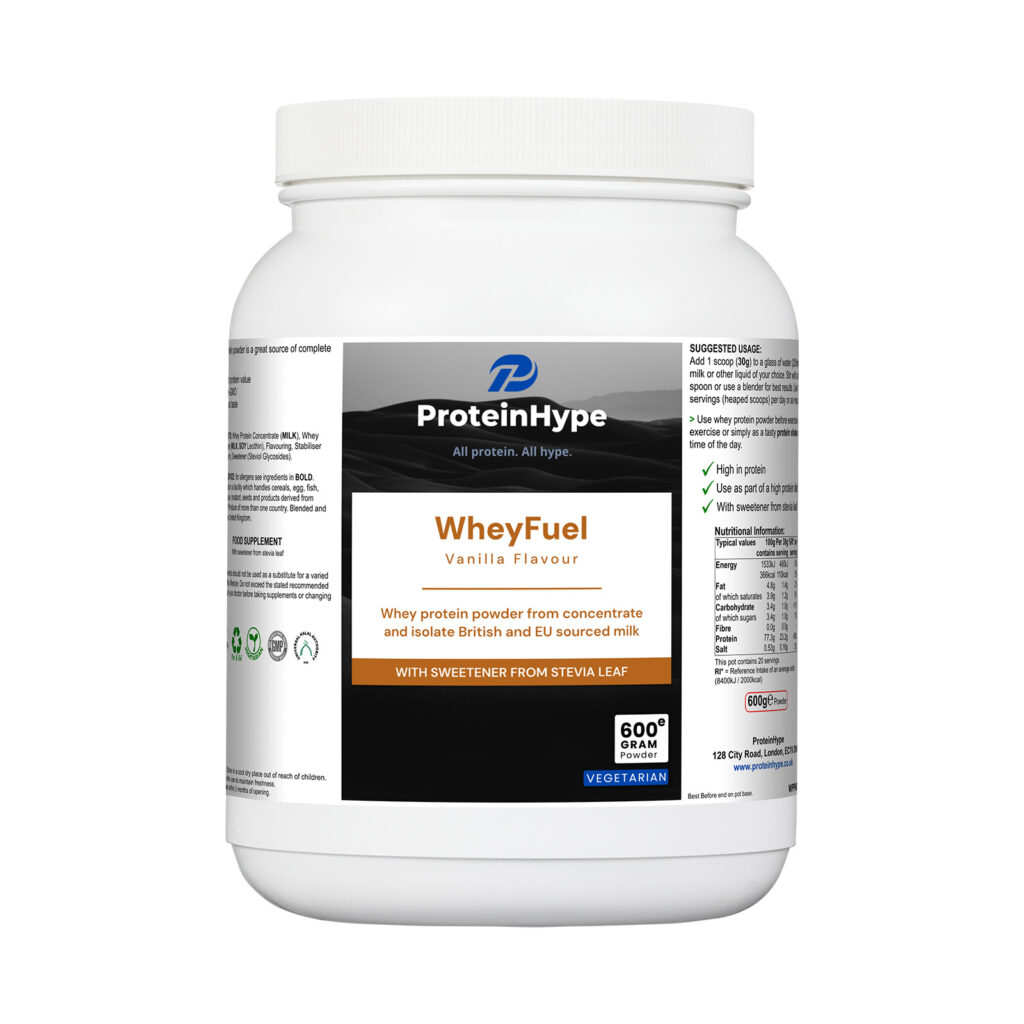
WheyFuel (Vanilla Flavour)
£39.99 — or subscribe to save 10% -
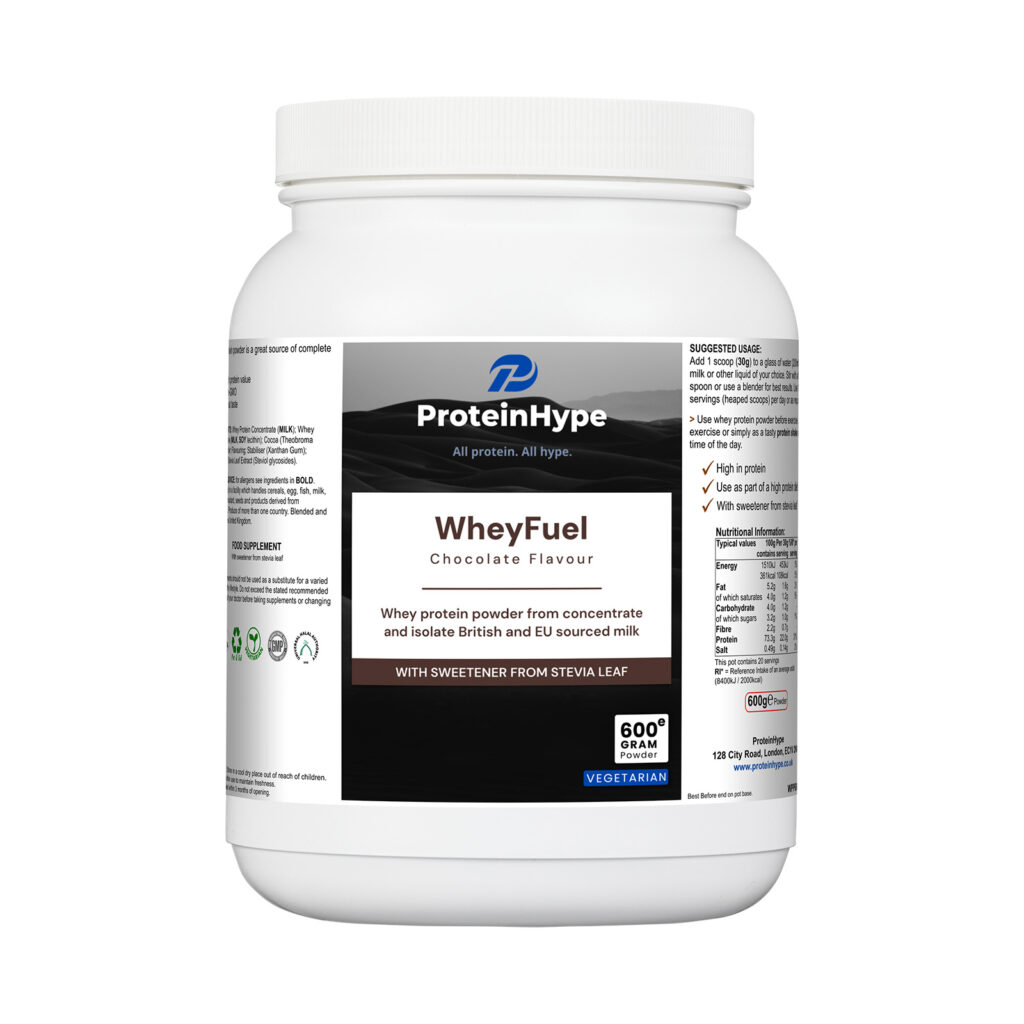
WheyFuel (Chocolate Flavour)
£39.99 — or subscribe to save 10% -
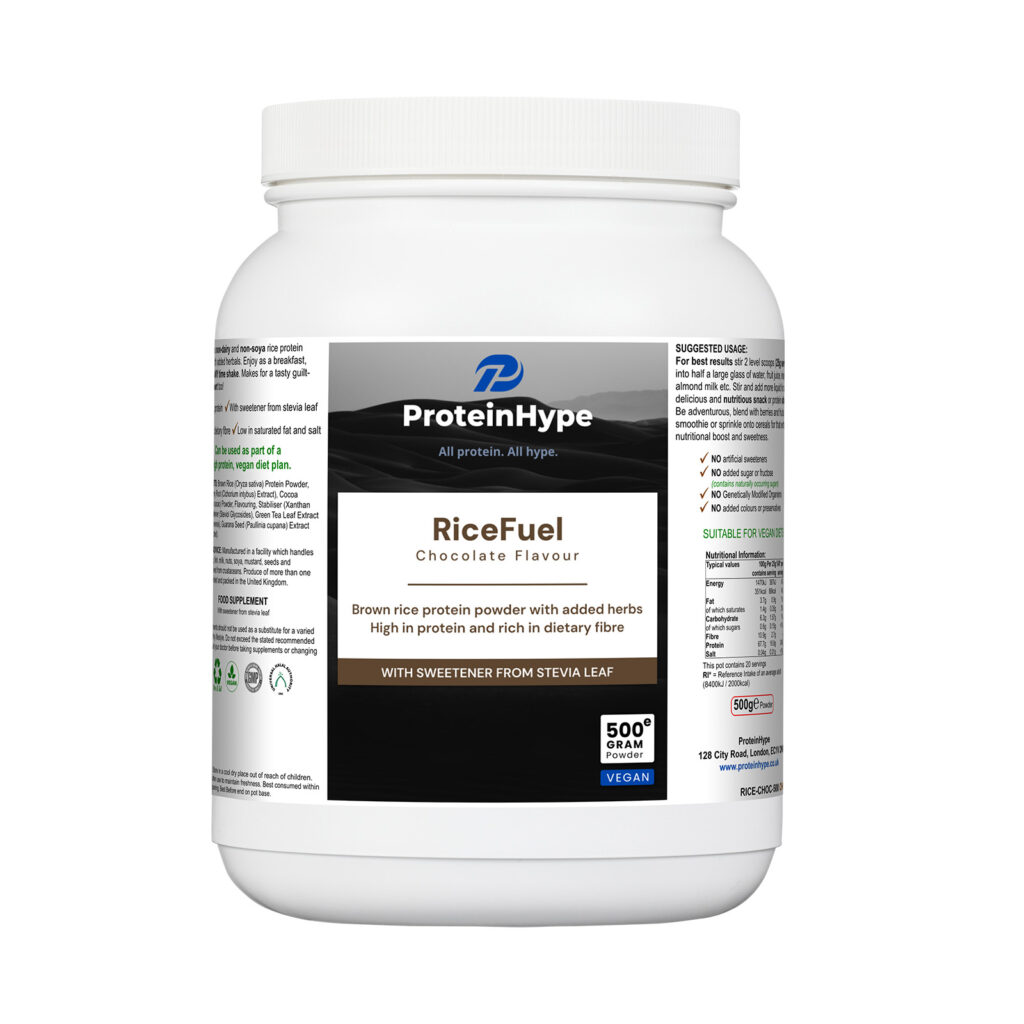
RiceFuel (Chocolate Flavour)
£16.99 — or subscribe to save 10%