Multivitamins are among the most popular nutritional supplements, but does everyone actually need one?
Walk into almost any health shop and you’ll find multivitamins promising a convenient combination of essential vitamins and minerals in a single tablet or capsule.
They can certainly be useful, but taking a multivitamin doesn’t automatically make a diet healthier. For many people, a varied and balanced diet should provide most of the vitamins and minerals they need.
For others, dietary restrictions, particular life stages or medically identified deficiencies can make supplementation more relevant.
So, who might benefit from multivitamins, and when is a more targeted approach better?
What Are Multivitamins?
Multivitamins combine several vitamins and usually minerals into one supplement.
There isn’t one standard formula.
One product might provide relatively modest amounts of a broad range of nutrients, while another might contain much higher quantities or target a particular group.
Common ingredients include:
- Vitamin A
- B vitamins
- Vitamin C
- Vitamin D
- Vitamin E
- Iron
- Zinc
- Selenium
- Iodine
- Magnesium
The exact combination and quantity will depend on the product.
You’ll normally see amounts expressed in milligrams (mg) or micrograms (mcg/μg), alongside percentages showing how much of a nutrient’s daily reference amount a serving provides.
Importantly, more isn’t automatically better.
Vitamins and minerals are essential, but excessive amounts of certain nutrients can be harmful. That’s one reason to check the label rather than assuming the product with the largest numbers is the best choice.
Does Everyone Need Multivitamins?
No.
The NHS guidance on vitamins and minerals states that most people should be able to get the nutrients they need by eating a varied and balanced diet.
Food also provides far more than isolated vitamins and minerals. A balanced diet can supply protein, carbohydrates, essential fats, fibre and numerous other components alongside micronutrients.
Multivitamins should therefore complement your diet when appropriate rather than become a substitute for eating well.
However, there are situations where particular nutrients can be more difficult to obtain.
Who Might Benefit From Multivitamins?
Whether a multivitamin is useful depends on your diet, lifestyle, age and individual circumstances.
Some people may have nutritional gaps that make supplements worth considering.
People Following Restrictive Diets
Removing entire food groups can make some nutrients more difficult to obtain.
A well-planned vegan diet, for example, can provide a wide range of nutrients, but certain vitamins and minerals require particular attention.
The NHS guidance for vegan diets highlights vitamin B12, vitamin D, iodine, selenium and calcium among nutrients that can be more difficult to obtain through a vegan diet.
Vitamin B12 is particularly important because it isn’t naturally present in ordinary plant foods. Fortified foods and appropriate supplementation can therefore be important sources for people following vegan diets.
That doesn’t necessarily mean every vegan needs the same multivitamin. Depending on the diet, targeted supplements or appropriately fortified foods may be more suitable.
People Eating a Very Limited Diet
You don’t need to follow a named diet to have nutritional gaps.
Someone who regularly eats a very limited selection of foods may find it more difficult to obtain an appropriate range of micronutrients.
Improving the variety and quality of the diet should generally remain the priority, but multivitamins can sometimes provide a convenient safety net while dietary habits are being improved.
People Eating Less Food
Reducing calorie intake also reduces the total amount of food available to provide vitamins and minerals.
Someone following a tightly controlled diet for weight management or sporting purposes therefore needs to pay attention to nutrient density.
This doesn’t automatically mean multivitamins are necessary whenever you’re in a calorie deficit.
A well-designed lower-calorie diet can still contain nutrient-rich foods. But the more restrictive the diet becomes, the more important careful food selection becomes.
What About Older Adults?
Nutritional requirements don’t simply disappear as you get older.
Changes in appetite, food intake, health conditions and the ability to absorb particular nutrients can make nutrition increasingly important with age.
However, age alone isn’t a reason to assume that everyone over a particular birthday needs multivitamins.
A better approach is to consider diet, health, medication and any symptoms or deficiencies with a healthcare professional.
If a particular deficiency is identified, a targeted supplement may be more appropriate than relying on a general multivitamin.
What If You Take Medication?
This is an area where personalised advice is particularly important.
Certain medicines can affect nutrient status. For example, UK drug-safety guidance recognises reduced vitamin B12 levels as a common side effect of metformin and advises testing when deficiency is suspected, with periodic monitoring considered for people with risk factors.
That doesn’t mean you should automatically start multivitamins because you take medication.
Supplements can also interact with medicines, and the appropriate nutrient and dose depend on the individual situation.
If you regularly take prescription medication and are concerned about your nutrient intake, speak to your GP, pharmacist or another qualified healthcare professional before adding supplements.
Vitamin D Is an Important UK Consideration
Vitamin D deserves particular attention because UK advice differs from the general idea that everyone should simply get all nutrients from food.
The body can make vitamin D when skin is exposed to sunlight, but between October and early March sunlight in the UK isn’t strong enough for most people to produce sufficient vitamin D this way.
Some people at greater risk of vitamin D deficiency are advised to consider supplementation throughout the year.
This doesn’t mean everyone needs a complete multivitamin. A standalone vitamin D supplement may be sufficient if vitamin D is the only nutrient you need to supplement.
For more information, read our guide to vitamin D food sources and benefits.
Are Multivitamins Better Than Individual Supplements?
It depends on why you’re supplementing.
Multivitamins can make sense when you’re looking for a convenient way to supplement several nutrients.
But if you know you’re deficient in a particular nutrient, taking a targeted supplement may provide a more appropriate dose.
For example, someone who only needs additional vitamin D doesn’t necessarily need a product containing numerous unrelated nutrients.
Similarly, suspected iron deficiency shouldn’t simply be treated by choosing a multivitamin containing iron. Iron deficiency can have several causes and should be properly assessed.
The goal should be addressing an actual nutritional need rather than taking as many different nutrients as possible.
What Should You Look for in Multivitamins?
If you’ve decided that multivitamins are appropriate for you, don’t choose purely on the number of ingredients or the highest doses.
Start by reading the nutritional information.
Check the Nutrient Amounts
Look at what each serving actually provides.
Products containing extremely high quantities aren’t automatically superior, and routinely taking several supplements together can result in duplicated nutrients.
Pay particular attention if you already use separate vitamin or mineral supplements.
Choose a Product Appropriate for You
Different formulations may be intended for different ages or life stages.
For example, nutritional requirements during pregnancy are different from those of the general adult population, so appropriate professional and NHS guidance should be followed rather than simply choosing a standard product.
Don’t Assume More Is Better
Some vitamins are water-soluble, while others are fat-soluble and can accumulate in the body.
Excessive supplementation can cause problems.
Vitamin D is a useful example: although supplementation is recommended for many people in the UK, the NHS warns that taking too much over a long period can lead to excessive calcium levels and potentially damage the kidneys and heart.
Follow the recommended dose unless a healthcare professional has advised otherwise.
Can Multivitamins Replace a Healthy Diet?
No.
Supplements are intended to supplement your diet, not replace it.
Fruit, vegetables, wholegrains, protein-rich foods, dairy or suitable alternatives, and sources of healthy fats provide nutrients in a much broader dietary package.
Taking multivitamins doesn’t cancel out a consistently poor diet.
Think of supplements as one possible part of your nutritional approach rather than the foundation of it.
Should You Get a Blood Test First?
Not everyone needs routine blood tests before taking an ordinary supplement.
However, if you think you have a deficiency, have unexplained symptoms or are considering high-dose supplementation, getting appropriate medical advice is much better than guessing.
Some deficiencies can be identified through blood testing.
Vitamin B12 deficiency, for example, can cause symptoms including extreme tiredness and neurological problems, and the NHS recommends seeing a GP if you think you may be deficient.
A confirmed deficiency may also require treatment that is very different from the amount found in ordinary multivitamins.
So, Do You Really Need Multivitamins?
For many healthy adults eating a varied and balanced diet, multivitamins aren’t automatically necessary.
But that doesn’t make them pointless.
They can provide a convenient way to supplement nutritional intake when your diet or circumstances make particular nutrients harder to obtain.
The important thing is understanding why you’re taking one.
If you have a specific deficiency, a targeted supplement may be more appropriate. If your diet excludes certain foods, look at which nutrients those foods normally provide. And if medication or a medical condition is involved, seek professional advice rather than self-treating with high-dose supplements.
For people in the UK, vitamin D also deserves separate consideration because current guidance recommends that everyone should consider a 10mcg daily supplement during autumn and winter.
Ultimately, multivitamins are best viewed as a supplement to good nutrition rather than a shortcut around it.
ProteinHype Vitamins and Supplements
ProteinHype offers a range of vitamins, minerals and nutritional supplements designed to complement an active lifestyle and balanced diet.
Whether you’re looking for multivitamins or a more targeted product, check what your diet already provides and choose supplements that fit your individual needs.
Explore the ProteinHype vitamins and minerals range to find products to complement your nutrition.
For more nutrition, training and supplement guides, visit ProteinHype.
Note: This content is for informational purposes only and is not medical advice. Consult with a healthcare professional before taking supplements if you have a medical condition, take medication, are pregnant or breastfeeding, or are concerned about a nutritional deficiency. Food supplements should not be used as a substitute for a varied, balanced diet.
Best Selling Protein Supplements
-

WheyFuel (Vanilla Flavour)
£25.99 — or subscribe to save 10% -
WheyFuel (Chocolate Flavour)
£25.99 — or subscribe to save 10% -
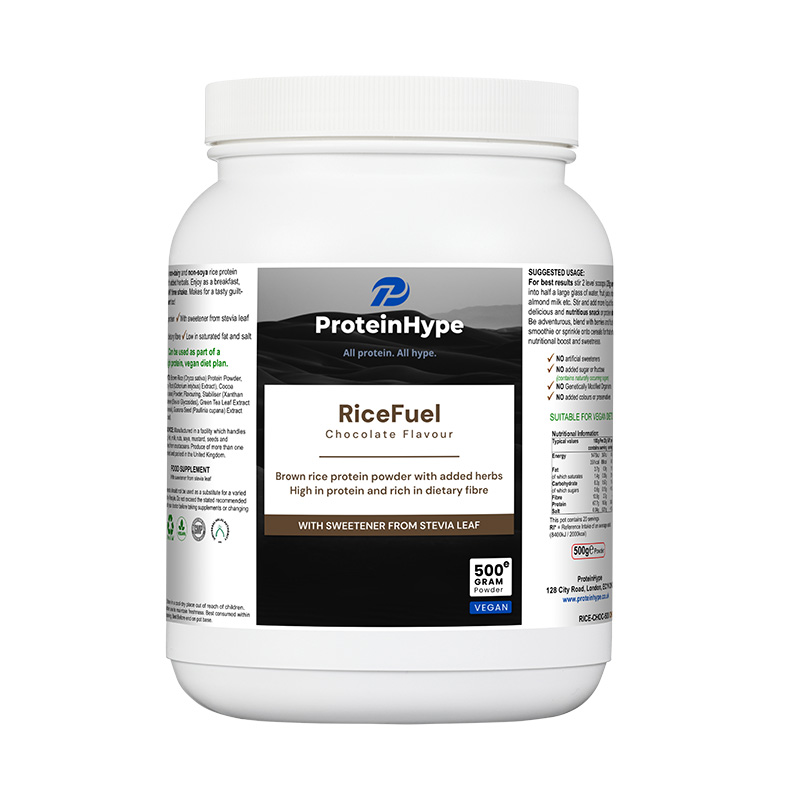
RiceFuel (Chocolate Flavour)
£15.99 — or subscribe to save 10%