Protein is supposed to be simple. Yet, for anyone starting their fitness journey, it feels anything but. You hear one thing from a friend, read the opposite online, and end up more confused than when you started. Is it harming your kidneys? Will plant protein work? Is the post-workout “window” real?
These myths don’t just create confusion—they hold you back. They can stop you from using a tool that could make reaching your goals simpler, easier, and more effective.
At ProteinHype, we’re here to cut through the noise. This guide busts the six most persistent protein myths with clear, science-backed facts, so you can move forward with confidence.
New to protein? Get the full foundation in our Protein Guide for Beginners: How Much You Need or see 5 Key Benefits of Protein Supplements.
The Truth at a Glance: Your Myth vs. Reality Cheat Sheet
Before we dive in, here’s your quick-reference guide. Use this table to separate fact from fiction instantly.
| Myth | The Reality | The Simple, Actionable Takeaway |
|---|---|---|
| 1. Protein damages kidneys. | For healthy individuals, high protein intake is safe and well-tolerated. | Stay hydrated. Only those with pre-existing kidney conditions need specific medical advice. |
| 2. You can only absorb 30g per meal. | Your body digests and uses all protein; muscle synthesis per meal has a limit, but excess isn’t “wasted.” | Focus on your total daily intake (1.6-2.2g/kg) spread across 3-4 meals. |
| 3. Plant protein is inferior. | High-quality blends (like pea & rice) provide a complete amino acid profile, matching whey’s effectiveness. | Choose a complete blend like PeaFuel Blend for muscle support. |
| 4. Supplements are only for bodybuilders. | Protein powder is a convenience tool for busy lives, weight management, and general wellness. | It’s nutritional insurance for anyone struggling to hit their daily protein target. |
| 5. More protein = more muscle. | Protein provides the materials; resistance training provides the stimulus for growth. | Pair your protein intake with consistent strength training. No training, no new muscle. |
| 6. You must take protein immediately post-workout. | The critical “anabolic window” is much wider (several hours) for beginners. | Total daily intake matters most. A post-workout shake is helpful but not urgent. |
Deep Dive: Busting Each Myth for Good
Let’s break down why these myths are wrong and what you should do instead.
Myth 1: “High Protein Intake Damages Your Kidneys”
This fear is widespread but misplaced for the vast majority. The key is understanding for whom protein intake is a concern.
Myth 2: “You Can Only Absorb 30g of Protein in One Meal”
This myth confuses optimal muscle protein synthesis with your body’s ability to digest and use protein. They are not the same.
Myth 3: “Plant Protein Is Inferior for Building Muscle”
This outdated belief stems from single plant sources, not the high-quality blends available today.
Myth 4: “Protein Supplements Are Only for Bodybuilders”
This limits a versatile nutritional tool to a single group. Protein powder’s primary value is convenience.
Myth 5: “Eating More Protein Automatically Builds More Muscle”
This overlooks the fundamental requirement for muscle growth: a training stimulus.
Myth 6: “You MUST Drink a Protein Shake Within 30 Minutes of Your Workout”
While timing can be optimised, its importance for beginners is vastly overstated compared to the daily total.
Frequently Asked Questions
Q: Is it true that protein harms your kidneys?
For healthy individuals with no pre-existing kidney conditions, high protein intake is not harmful. The concern originates from the fact that people with existing severe kidney disease are often put on protein-restricted diets. For a healthy body, the kidneys are well-equipped to process the by-products of protein metabolism. The most important action you can take is to stay well-hydrated.
Q: How much protein can my body actually use in one meal?
Your body will digest and absorb almost all the protein you eat. The limit of roughly 20-40 grams per meal refers to the amount that maximally stimulates muscle protein synthesis (MPS) at one time. Any protein consumed beyond that is not wasted; it is used for other essential bodily functions, energy, or can be stored. Therefore, your primary focus should be on hitting your total daily protein target.
Q: Can I build muscle just as effectively with plant protein?
Yes, you absolutely can. While single plant sources (like rice or peas alone) can be lower in certain essential amino acids, this is solved by using blended plant proteins. A high-quality blend, such as pea and rice protein together, provides a complete and balanced amino acid profile that supports muscle growth and recovery just as effectively as whey protein over time. Our PeaFuel Blend is formulated for this exact purpose.
Q: If I don’t lift weights, are protein supplements useless for me?
No, they are not useless. While they are excellent for supporting training goals, protein supplements are fundamentally a tool for convenience and nutritional insurance. They can help with weight management by promoting fullness, provide a quick and balanced snack or mini-meal for busy lifestyles, and support overall health, muscle maintenance, and healthy ageing for anyone, regardless of gym attendance.
Q: Why isn’t eating more protein enough to build muscle?
Protein provides the raw materials (amino acids) necessary for muscle repair and growth. However, to trigger the body to use those materials for building new muscle, you need a progressive resistance training stimulus (like weight lifting). Without that signal, the extra protein will simply be used for other purposes or stored. Nutrition and training are a partnership.
Q: How critical is the 30-minute post-workout “anabolic window”?
For most beginners, it is not critical. The body’s ability to synthesise muscle remains elevated for several hours after exercise. While consuming protein within a couple of hours is beneficial, the total protein you consume over the entire 24-hour period is a far more important factor for muscle growth. Don’t stress if you can’t have a shake immediately; just focus on your daily total.
Your Myth-Free Action Plan: Start Today
- Use the Cheat Sheet: Bookmark or save the table above. Refer to it next time you hear a confusing claim.
- Audit Your Intake: For one day, track your protein. Are you near the 1.6g/kg target? This is your first step.
- Pick One Solution: Based on the myths holding you back, choose one action:
- Worried about dairy? Try a sample of PeaFuel Blend.
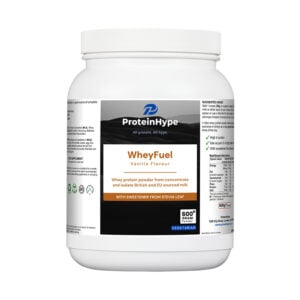
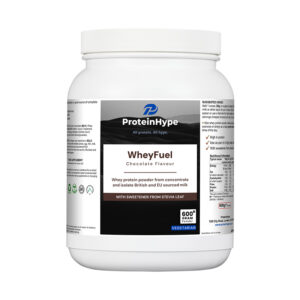
- Always rushed in the morning? Make a WheyFuel (Vanilla) or WheyFuel (Chocolate) shake your new routine.
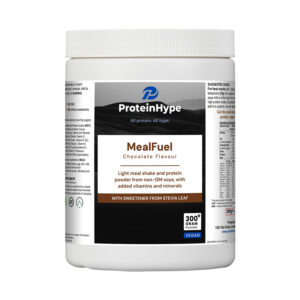
- Need a balanced, on-the-go meal? A MealFuel (Vanilla) or MealFuel (Chocolate) shake is a perfect solution.
- Obsessing over meal timing? Shift your focus to just hitting your daily total.
- Pair Nutrition with Action: Remember, no supplement replaces the work. Pair your protein strategy with consistent training.
The Bottom Line
Protein myths thrive on confusion and half-truths. Armed with the facts, you can now use protein—from whole foods and smart supplements—as the simple, safe, and effective tool it’s meant to be.
Your journey isn’t about perfection; it’s about consistent, informed action. Start by ditching one myth that’s been holding you back.
Ready to fuel your journey with confidence? Explore the full range of ProteinHype protein powders, each designed to fit your lifestyle and help you hit your goals, myth-free.
Cleared up some confusion? We’d love to hear which myth surprised you the most or which one you’re glad to finally put to rest. Share your thoughts in the comments below—your experience helps others feel confident too!
Note: This content is for informational purposes only and is not medical advice. Consult with a healthcare professional before making significant dietary changes, especially if you have pre-existing health conditions. Food supplements should not be used as a substitute for a varied, balanced diet.
Best Selling Protein Supplements
-

WheyFuel (Vanilla Flavour)
£25.99 — or subscribe to save 10% -
WheyFuel (Chocolate Flavour)
£25.99 — or subscribe to save 10% -
MealFuel (Chocolate Flavour)
£14.99 — or subscribe to save 10%