When you think of protein powder, gym bags, post-workout shakes and muscle recovery probably come to mind.
But protein can also be useful when you’re spending hours behind the wheel.
Service station choices can be expensive, meal times can become unpredictable, and long journeys often involve grabbing whatever food happens to be convenient.
Packing protein for drivers can provide another option when you want something practical and filling during a journey.
It won’t keep a tired driver awake or replace proper rest, but planning your food before setting off can make long journeys more comfortable.
Here’s what to pack and how to approach nutrition on the road.
Why Pack Protein for Drivers?
Convenience is one of the biggest reasons to consider protein for drivers.
Whether you’re commuting, travelling across the country, driving professionally or heading to a track day, your normal eating routine can easily be disrupted.
Motorway service stations offer plenty of food, but you won’t always find what you want at the time you want it.
Taking your own snacks gives you greater control over what you eat and can also reduce how much you spend during the journey.
Protein contributes to the growth and maintenance of muscle mass and the maintenance of normal bones.
For people who already monitor their protein intake, bringing a convenient source simply makes it easier to maintain their normal diet while travelling.
Protein Isn’t a Substitute for Rest
This is the most important point in this guide.
Food and supplements should never be used to try to push through genuine tiredness behind the wheel.
Protein isn’t a stimulant and shouldn’t be treated as something that keeps you awake.
The Highway Code guidance on tiredness states that driving while tired greatly increases your risk of a collision.
It recommends getting sufficient sleep before a long journey and planning enough breaks, including a minimum break of at least 15 minutes after every two hours of driving.
If you feel sleepy, stop somewhere safe.
So while protein for drivers can help with planning what you eat, it should never be promoted as a solution to fatigue.
What’s the Problem With Relying on Service Stations?
There’s nothing inherently wrong with service station food.
Modern motorway services can have a considerable range of restaurants, cafés, supermarkets and takeaway options.
The issue is convenience, price and predictability.
Depending on where and when you’re travelling, you might encounter:
- Expensive meals and snacks
- Limited choices that suit your diet
- Queues during busy periods
- Long gaps between planned stops
- Delays that change your meal schedule
- Temptation to buy snacks simply because they’re available
Packing some of your own food gives you a backup.
It also means you don’t have to depend entirely on finding the right meal at your next stop.
Does Protein Provide Steady Energy for Driving?
It’s better not to describe protein as a special source of “steady energy” or something that prevents an energy crash.
Protein has many important nutritional roles, but it isn’t a stimulant and doesn’t directly make you a more alert driver.
A balanced diet provides your body with the energy and nutrients it needs.
Protein for drivers can include foods that contribute to feelings of fullness, which may make them useful when you have a long journey ahead.
Think of protein for drivers as a convenient nutritional option rather than something designed to increase concentration behind the wheel.
If you’re tired enough that your concentration is suffering, the appropriate response is to stop and rest.
Best Protein for Drivers
The best protein for drivers is something that’s convenient, easy to store and simple to consume during an appropriate break.
Here are a few options.
1. Protein Powder
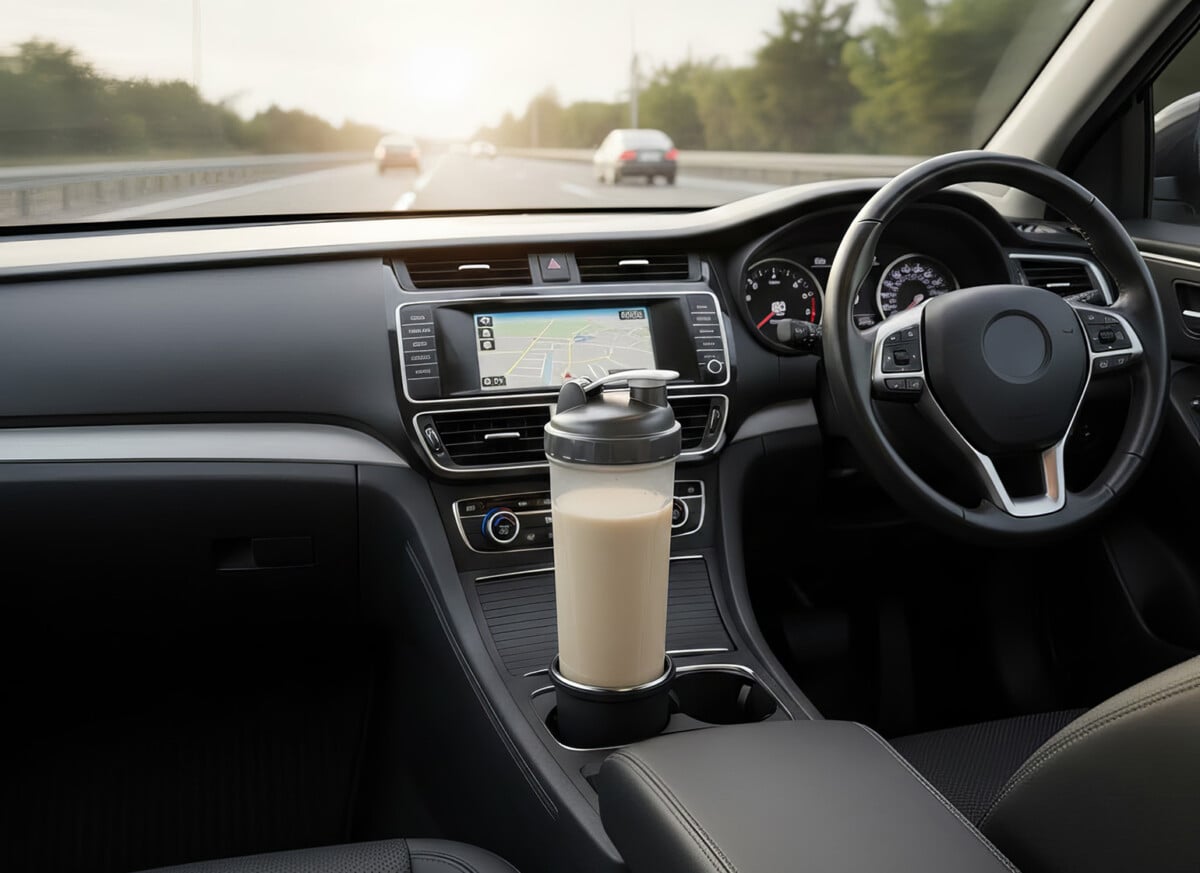
Powder can be convenient because you can measure a serving before leaving home and carry it in a suitable container or shaker.
When you stop for a break, add water and mix it according to the product instructions.
This avoids carrying a large tub around in the car.
Don’t try to prepare or mix a shake while you’re driving. Do it before setting off or when you’re safely parked.
2. Protein Bars
Bars are one of the simplest options because they don’t require preparation.
They can be stored in a bag and eaten during a planned stop.
Nutritional values vary significantly between products, so check the label rather than assuming every bar contains the same amount of protein, sugar, fibre or calories.
Be mindful of temperature as well. Leaving food in a hot car for extended periods can affect its quality and safety.
3. Ready-to-Drink Protein Shakes
Prepared shakes remove the need for mixing powder.
They can be useful if you have somewhere appropriate to keep them and follow the manufacturer’s storage instructions.
Some products require refrigeration while others can be stored unopened at room temperature.
Always check the individual label.
4. Everyday Protein-Rich Foods
Protein for drivers doesn’t have to mean supplements.
Ordinary food can work perfectly well.
Depending on storage and refrigeration, you could prepare suitable sandwiches, yoghurt, nuts or other foods that fit your diet.
Supplements are about convenience rather than necessity.
A Simple Nutrition Plan for a Long Drive
There’s no need to create a complicated meal plan simply because you’re travelling.
If possible, eat a normal balanced meal before starting your journey.
Take water and appropriate snacks with you, including a source of protein for drivers if that fits your normal diet.
More importantly, plan your stops.
The Highway Code recommends planning sufficient breaks and says a minimum break of at least 15 minutes after every two hours of driving is recommended.
Use those breaks properly.
Get out of the vehicle, move around, use the facilities, have something to eat or drink if needed and assess whether you’re genuinely fit to continue driving.
Nutrition should complement safe journey planning, not replace it.
Protein for Drivers and Hydration
Don’t overlook water.
Keeping something suitable to drink with you is sensible on a long journey, particularly in warm weather.
If your protein for drivers includes protein powder, you’ll also need fluid to prepare it.
But don’t let drinking, eating or preparing food become a distraction behind the wheel.
A planned rest stop is the ideal opportunity to eat, drink and prepare anything you need before continuing your journey.
What About Coffee and Energy Drinks?
Caffeine can increase alertness temporarily, but it shouldn’t be used as an excuse to continue driving when you’re genuinely tired.
The current Highway Code focuses on adequate sleep, appropriate journey timing, sufficient breaks and stopping safely if you become sleepy.
That distinction matters.
A coffee at a service station doesn’t make insufficient sleep irrelevant.
If you’re tired, take it seriously.
Protein for Professional Drivers
Professional drivers can spend substantial amounts of time on the road, making meal planning particularly important.
Preparing protein for drivers and other suitable foods before work can provide more control than relying entirely on roadside options.
Protein for drivers might include powder, bars or ordinary protein-rich foods depending on your preferences and available storage.
Professional drivers also need to follow the applicable drivers’ hours, working-time and break requirements for their particular vehicle and work.
Those legal requirements aren’t replaced by the general Highway Code recommendation for ordinary motorists.
If you’re driving professionally, follow the rules that apply specifically to your work and vehicle.
Protein for Track Days
A track day presents a different situation from an ordinary motorway journey.
You may spend much of the day waiting between sessions, wearing heavy clothing or safety equipment and concentrating intensely while on track.
Planning food and drinks beforehand can make the day easier.
Protein for drivers can form part of those planned meals and snacks, but don’t neglect carbohydrates, fluids and your overall energy intake.
After you’ve finished driving, protein can also contribute towards your normal daily intake, particularly if you combine motorsport with other physical training.
But once again, protein isn’t a substitute for being properly rested and fit to drive.
How Much Protein Do Drivers Need?
Driving doesn’t create a special protein requirement.
Your appropriate intake depends much more on factors such as your body size, overall diet, training and goals.
You don’t suddenly need additional protein simply because you’re undertaking a 300-mile motorway journey.
The purpose of protein for drivers is primarily convenience.
If you already have an appropriate daily target, travelling doesn’t mean you need to dramatically increase it.
If you’re unsure how much you need generally, read our protein guide for beginners.
Preparing Protein Before a Long Journey
A little preparation can save you buying everything at a service station.
Before leaving:
- Eat normally rather than deliberately skipping meals
- Pack appropriate food and snacks
- Portion protein powder beforehand if you’re taking it
- Bring enough water for the journey
- Store perishable food appropriately
- Plan where you’ll stop
- Allow enough time for proper breaks
Preparing protein for drivers should happen before the journey or while safely parked, not while the vehicle is moving.
The same applies to opening complicated packaging, mixing shakes or searching through bags.
Keep your attention on driving.
More Advice for Drivers From MotorHype
Food is only one part of preparing for a long journey.
MotorHype’s Drivers’ Diet: Protein for Alertness and Energy looks specifically at nutrition and food choices for people who spend significant amounts of time behind the wheel.
You can also visit MotorHype for automotive news, driving guides and its UK vehicle marketplace.
When it comes to long journeys, sensible food planning should sit alongside proper rest, regular breaks and safe driving habits.
No snack or supplement should be treated as a way to continue driving when you’re too tired to do so safely.
ProteinHype Options for Drivers
If you already use supplements at home, packing protein for drivers can make maintaining your usual routine easier on long journeys.
ProteinHype offers a range of protein powders that can be prepared according to the individual product instructions.
Protein for drivers doesn’t require a special “driving” supplement.
Choose a product that suits your normal diet and nutritional goals, prepare it safely and consume it during an appropriate break.
Can Food Keep You Alert Behind the Wheel?
No particular food can guarantee that you’ll remain alert enough to drive safely.
Good nutrition matters for general health and wellbeing, but tiredness behind the wheel requires a different response.
The Highway Code says you should not begin a journey if you’re tired and should get sufficient sleep before a long journey.
It also advises avoiding long journeys between midnight and 6am, when natural alertness is at its lowest.
If you become sleepy, stop in a safe place.
That’s more important than choosing between a protein bar, sandwich, coffee or energy drink.
Protein for Drivers: The Bottom Line
Protein for drivers can be a convenient way to plan food for long journeys.
Protein powder, bars, prepared shakes and everyday protein-rich foods can all provide practical options when you don’t want to rely entirely on service stations.
But protein doesn’t make tired driving safe.
The foundations of a safer long journey remain sufficient sleep, sensible journey planning, proper breaks and stopping if you become sleepy.
Use nutrition to support your normal diet rather than as a strategy for overcoming fatigue.
If protein is already part of your routine, prepare it before leaving, pack it appropriately and enjoy it when you stop for a break.
Your car needs the right fuel, but the person behind the wheel also needs proper rest.
For more automotive guides, news and advice, visit MotorHype.
Note: This content is for informational purposes only and is not medical advice. If you have concerns about fatigue, nutrition or whether a medical condition or medication could affect your ability to drive, speak to an appropriate healthcare professional. Never continue driving when you feel too tired to drive safely. Food supplements should not be used as a substitute for a varied, balanced diet.
Best Selling Protein Supplements
-

WheyFuel (Vanilla Flavour)
£25.99 — or subscribe to save 10% -
WheyFuel (Chocolate Flavour)
£25.99 — or subscribe to save 10% -
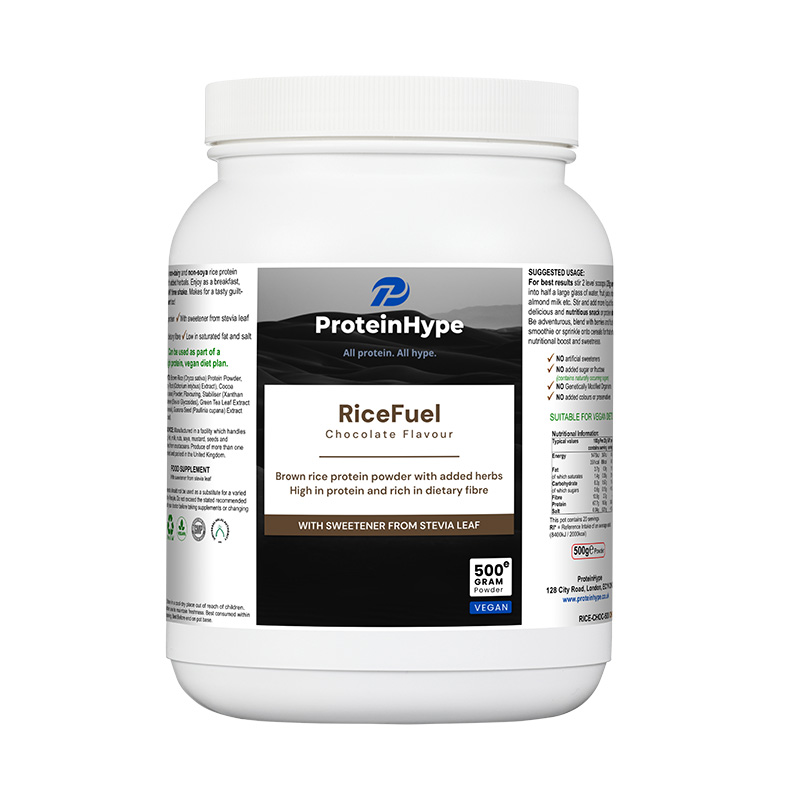
RiceFuel (Chocolate Flavour)
£15.99 — or subscribe to save 10%