You’ve probably heard you need more protein. From fitness influencers to nutrition labels, everyone’s talking about it. But what does protein actually DO for you? And how much do you really need—without overcomplicating it?
Whether you want to build muscle, lose weight, or just feel more energised, protein is key. Discover all the ways it can help in our guide to the 5 Key Benefits of Protein Supplements.
At ProteinHype, we’re passionate about making protein simple. This guide cuts through the hype and gives you straightforward, science-backed answers without the confusing jargon.
Let’s start with the basics.
What Exactly Is Protein?
Think of protein as your body’s building blocks. It’s made of small units called amino acids—there are 20 different types, and 9 of these are “essential,” meaning your body can’t make them on its own. You have to get them from food.
Unlike carbs and fat, your body doesn’t store protein well. That’s why you need a consistent supply from your diet.
Why Protein Is Non-Negotiable For Your Goals
Protein isn’t just for bodybuilders. Here’s what it actually does for you:
- Builds & Repairs Muscle: Every time you exercise, you create tiny tears in muscle fibres. Protein provides the materials to repair them, making you stronger.
- Keeps You Full & Reduces Cravings: Protein is the most satiating nutrient. It triggers hormones that signal fullness, helping you naturally eat less if you’re trying to lose weight.
- Boosts Metabolism: Your body burns more calories digesting protein than carbs or fat—this is called the thermic effect of food (TEF).
- Supports Everything Else: From healthy hair and nails to immune function and hormone production, protein is involved in nearly every bodily process.
How Much Protein Do YOU Need Daily? (The Simple Maths)
Forget the old “0.8g per kg” recommendation—that’s the bare minimum to prevent deficiency. If you’re active and have goals, you need more.
Here’s a simple framework based on your primary goal:
- General Health & Maintenance: 1.2 – 1.6g per kg of body weight
- Fat Loss / Body Recomposition: 1.6 – 2.0g per kg (higher end helps preserve muscle while in a calorie deficit)
- Protein for Muscle Building: 1.6 – 2.2g per kg (aim higher if you’re training intensely)
Your Quick Calculation
Formula: Your weight in kg × Your goal multiplier = Daily protein target
Example for a 75kg (165lb) person:
- For muscle building: 75kg × 1.8g = 135g protein per day
- For fat loss: 75kg × 1.8g = 135g protein per day (yes, similar range—the key is maintaining muscle while losing fat)
What Does This Look Like in Real Food?
Here’s what ~135g of protein might look like in a day:
| Meal | Food | Protein |
|---|---|---|
| Breakfast | 3 eggs + 2 slices turkey bacon | 25g |
| Lunch | 120g chicken breast salad | 35g |
| Snack | Greek yoghurt + handful of almonds | 20g |
| Dinner | 150g salmon + ½ cup lentils | 40g |
| Total | 120g |
Close enough! The remaining 15g might come from milk in coffee, grains, or vegetables throughout the day.
When to Take Protein: Timing Matters (But Less Than You Think)
Forget the myth about only absorbing 30g per meal. Your body is smarter than that. However, when to take protein strategically can optimise your results:
- The Muscle-Building Sweet Spot: Aim for 20-40g per meal, 3-4 times daily
- Don’t Skip Breakfast: Starting your day with protein reduces cravings
- Post-Workout Window: Consume protein within 2 hours after training for optimal recovery
- Before Bed: Slow-digesting protein (like cottage cheese or casein protein) supports overnight muscle repair
Simple Rule: If you’re hitting your daily target, you’re 90% there. The meal timing is the final 10% optimisation.
Best Protein Sources: A Complete Guide
Finding the best protein sources is key to hitting your targets consistently. Here’s your practical cheat sheet:
Animal-Based (Complete Proteins)
| Food | Serving | Protein | Best For |
|---|---|---|---|
| Chicken Breast | 120g (palm-sized) | 30-35g | Lean muscle building |
| Lean Beef Steak | 120g | 30g | Iron + protein combo |
| Salmon | 150g fillet | 35g | Healthy fats + protein |
| Eggs | 2 large | 12g | Versatility, breakfast |
| Greek Yoghurt | 150g pot | 17g | Snacks, breakfast |
| Cottage Cheese | 150g | 20g | Slow-digesting, bedtime |
Plant-Based (Combine for Complete Proteins)
| Food | Serving | Protein | Pair With |
|---|---|---|---|
| Lentils | 1 cup cooked | 18g | Rice, bread |
| Chickpeas | 1 cup cooked | 15g | Whole grains |
| Tofu | 150g firm | 15g | Any grain |
| Tempeh | 150g | 25g | Stir-fries |
| Edamame | 1 cup | 18g | Snack alone |
| Quinoa | 1 cup cooked | 8g | Complete protein on its own |
Protein Powder Benefits: Is It Right For You?
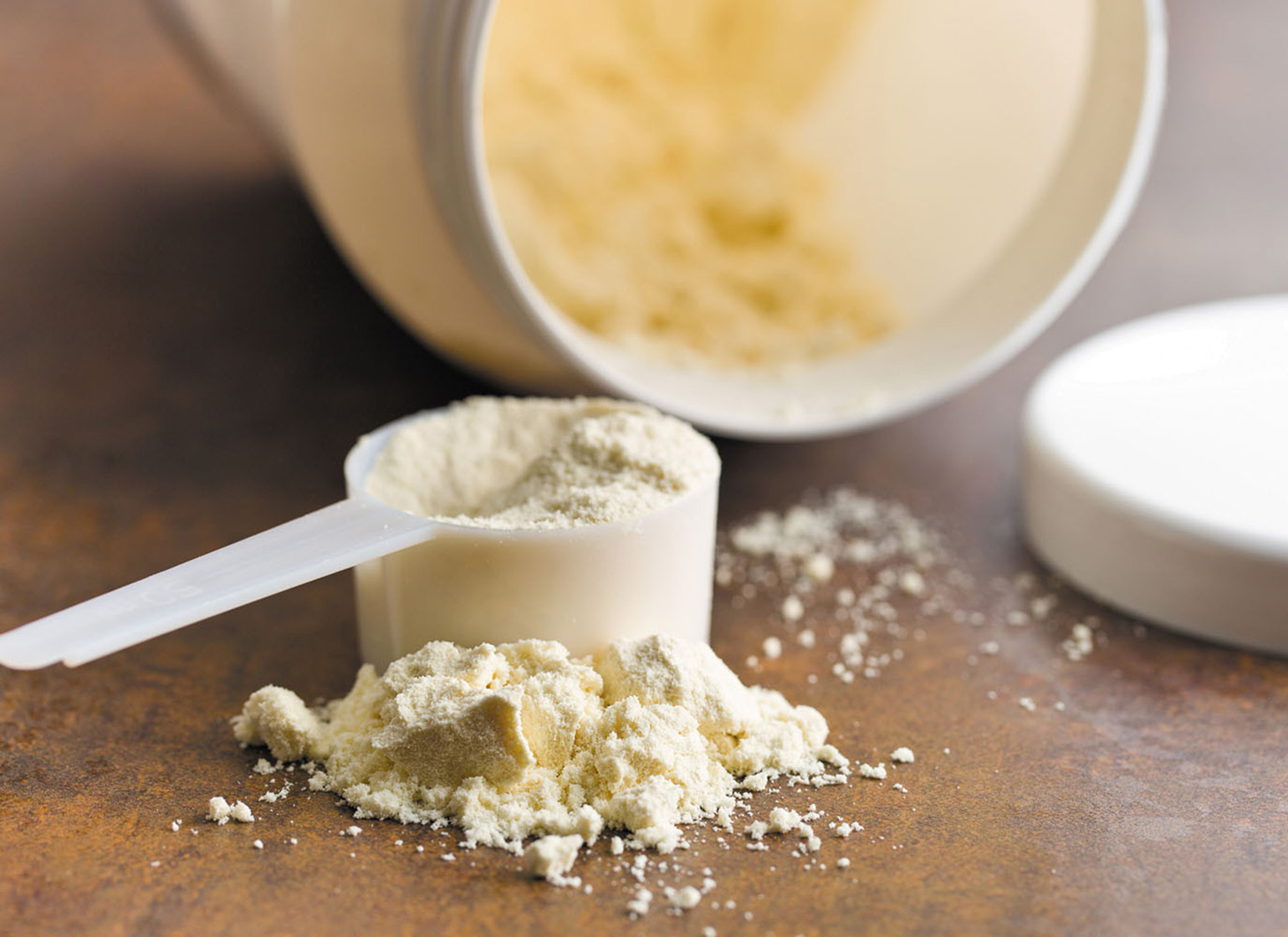
Many beginners wonder about protein powder benefits and whether they’re necessary. While whole foods should always come first, protein powder offers several advantages:
- Convenience: Quick post-workout nutrition when you’re short on time
- Precision: Know exactly how many grams you’re getting
- Versatility: Add to smoothies, oats, or baking
- Dietary Support: Plant-based protein powder options help those avoiding dairy
However, whey protein benefits shouldn’t replace real food. Think of it as a supplement to fill gaps, not a meal replacement.
Types Explained Simply:
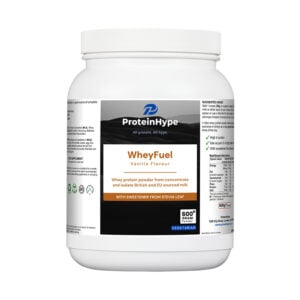
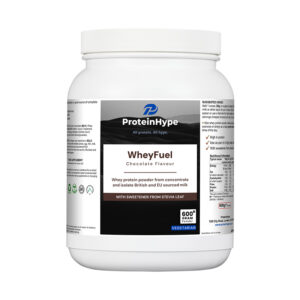
- Whey: Fast-digesting, great post-workout, most popular. Try delicious flavours like WheyFuel (Vanilla Flavour) for classic taste or WheyFuel (Chocolate Flavour) for a richer option.
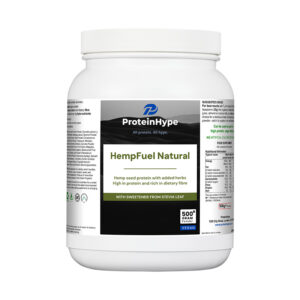
- Plant-Based: Perfect for vegans or those with dairy sensitivities. RiceFuel (Chocolate Flavour) offers a great-tasting vegan option, while PeaFuel Blend provides a powerful protein punch with added herbs. HempFuel Natural offers a unique complete amino acid profile from hemp.
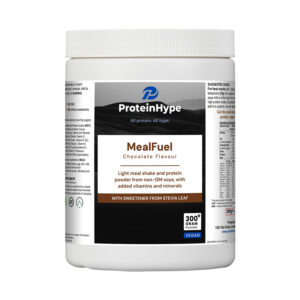
- Meal Replacements: When you need more than just protein, MealFuel (Vanilla Flavour) or MealFuel (Chocolate Flavour) provides a balanced shake with added fibre, vitamins and minerals.
Important: Always check the label. Aim for powders with 20-25g protein per serving, minimal added sugar, and ingredients you recognise.
Common Protein Mistakes Beginners Make
Many people starting their fitness journey make these protein errors:
- Not tracking intake (guessing instead of measuring)
- Skipping protein at breakfast (starting your day with carbs instead)
- Over-relying on powder (supplements over whole foods)
- Ignoring timing (all protein at one meal)
- Forgetting plant-based options (not all protein comes from animals)
Avoiding these common mistakes will help you get better results from your protein for muscle building efforts.
Frequently Asked Questions
Q: Can you eat too much protein?
For healthy individuals, up to 2g/kg is generally safe. Concerns about kidney damage are largely overstated unless you have pre-existing kidney issues. However, extremely high intake (>3g/kg) may displace other important nutrients from your diet.
Q: Is plant protein as good as animal protein?
For building muscle, yes—as long as you’re combining sources to get all essential amino acids. Pair rice with beans, or hummus with whole grain bread. For convenience, plant-based protein powders can be excellent complete sources.
Q: Do I need protein powder?
Not necessarily. Think of it as a tool, not a requirement. If you struggle to hit your target with whole foods, or need quick post-workout nutrition, it’s incredibly useful. If you’re hitting your goals with food alone, you don’t need it.
Q: How do I know if I’m not getting enough protein?
Common signs include slow recovery from workouts, frequent hunger between meals, hair thinning, and weak nails. If you’re experiencing these, try increasing your intake for 2-3 weeks and monitor changes.
Q: What about protein for women?
The recommendations are the same! Women need just as much protein relative to their body weight as men do for the same goals. Don’t be afraid of higher protein intake—it supports hormone health, metabolism, and body composition.
Your Action Plan: Start Today
- Calculate your target using the simple formula: Weight in kg × 1.6 = Daily protein goal
- Pick 3 protein sources from our list that you enjoy and will actually eat regularly
- Track just one day to see where you currently stand
- Consider if a protein supplement could help – whether it’s a whey protein for post-workout, a plant-based option for dietary needs, or a meal replacement for busy days.
Ready for the next step? Consistency beats perfection. Start with hitting your protein target 80% of the time, and you’ll notice changes in your energy, body composition, and overall wellbeing within a few weeks.
Need help choosing the right protein supplement? Explore ProteinHype‘s full range of protein powders to find what works best for your goals and lifestyle.
Start your journey here! Share your daily protein target in the comments below. Seeing everyone’s goals is a great motivator—what’s one food you’ll eat more of to hit yours?
Note: This content is for informational purposes only and is not medical advice. Consult with a healthcare professional before making significant dietary changes, especially if you have pre-existing health conditions. Food supplements should not be used as a substitute for a varied, balanced diet.
Best Selling Protein Supplements
-

WheyFuel (Vanilla Flavour)
£25.99 — or subscribe to save 10% -
WheyFuel (Chocolate Flavour)
£25.99 — or subscribe to save 10% -
MealFuel (Chocolate Flavour)
£14.99 — or subscribe to save 10%