Confused about protein timing? You’re not alone. The debate over whether to drink your shake before or after the gym is one of the most common sources of confusion for beginners. Should you fuel up for performance, or prioritise recovery? What if you get it wrong?
Here’s the truth that cuts through the noise: Both timing strategies are effective tools, but they serve completely different purposes. Understanding why is the key to using them correctly and making your nutrition work harder for your specific goals.
At ProteinHype, we believe in clear, actionable strategies. This guide will move beyond the basic “pre vs. post” debate to give you a science-backed blueprint for when—and why—to use each one.
New to protein supplements? Get the full foundation in our Protein Guide for Beginners: How Much You Need or learn the application in How to Use Protein Powder for Muscle Gain.
The Core Principle: What Each Timing Does
Before comparing, let’s define the unique job of each.
What is Pre-Workout Protein? (The Performance Fuel)
Think of pre-workout protein as fueling your workout from the inside. Consuming protein 60-90 minutes before training does two critical things:
- It elevates amino acids in your bloodstream during your session, providing building blocks that can help reduce muscle breakdown while you train.
- It can improve endurance and performance by offering an alternative fuel source and signalling fullness.
The Simple Takeaway: Pre-workout is about protection and performance. A slow-digesting protein is ideal here.
What is Post-Workout Protein? (The Recovery Trigger)
Post-workout protein is all about repair and growth. After you finish training, your muscles are primed to absorb nutrients to fix the microscopic damage caused by exercise—a process called Muscle Protein Synthesis (MPS).
- Consuming protein within a few hours after your workout maximises this recovery window.
- It delivers a rapid influx of amino acids directly to tired muscles, kickstarting repair and helping you grow back stronger.
The Simple Takeaway: Post-workout is about repair and growth. A fast-digesting protein is most effective here.
Your Timing Strategy Cheat Sheet
So, which one should you prioritise? Use this table to match your primary goal with the best strategy and the ideal type of protein.
| Your Primary Goal | The Role of Pre-Workout | The Role of Post-Workout | Recommended Protein Type |
|---|---|---|---|
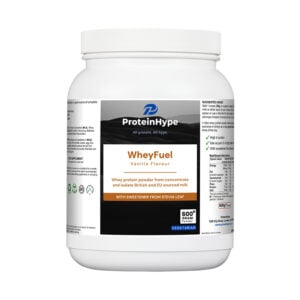
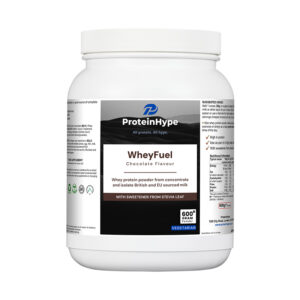
| Building Muscle | Provides amino acids during training to minimise breakdown, supports strength. | CRITICAL. Triggers muscle repair & growth. The most important shake for gains. | Post: Fast WheyFuel (Chocolate Flavour) or WheyFuel (Vanilla Flavour. |
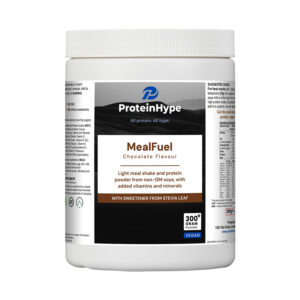
| Losing Fat | Helps preserve hard-earned muscle while in a calorie deficit, reduces hunger. | Repairs muscle after training, ensuring your body burns fat, not muscle. | Both are valuable. A MealFuel (Vanilla Flavour) or MealFuel (Chocolate Flavour) shake can serve as a satisfying, balanced pre or post meal. |
| Improving Endurance | Can provide sustained energy and reduce fatigue during long sessions. | Rebuilds muscle proteins stressed by endurance work, aids recovery. | Pre: HempFuel Natural for slow-release energy with fibre. |
The Golden Rule: Your total daily protein intake is 90% of the results. Nailing your timing is the final 10% of optimisation. Never sacrifice your daily target for perfect timing.
Frequently Asked Questions
Q: Is post-workout protein more important than pre-workout?
For most beginners focused on muscle growth, yes, post-workout is the priority. It directly triggers the recovery and growth process. Think of pre-workout as an advanced optimisation you can add later. Master your post-workout shake and daily intake first.
Q: What if I train first thing in the morning on an empty stomach?
Training fasted is fine, but it makes your post-workout shake even more crucial. Since you haven’t consumed protein for many hours, getting a fast-digesting protein like WheyFuel into your system within an hour after training is highly beneficial to stop muscle breakdown and start repair.
Q: Can I use the same protein powder for both pre and post?
Absolutely. Consistency is more important than specialisation. If you only have one protein powder, using it both before and after is far better than not using it at all. For optimal results, a fast whey post-workout and a slower plant blend pre-workout is ideal, but don’t let perfection be the enemy of progress.
Q: How long before and after should I have my shake?
- Pre-Workout: Aim for 60-90 minutes before you start. This gives time for digestion so amino acids are available during your session.
- Post-Workout: The “anabolic window” is forgiving. Consume protein within 2 hours after finishing your workout for great results.
Your Action Plan: Start Simple, Optimise Later
- Master the Foundation: Calculate and hit your total daily protein target (use our Beginner’s Guide for this).
- Lock In Your Post-Workout Habit: Commit to a WheyFuel shake after every training session for the next two weeks. This is your non-negotiable.
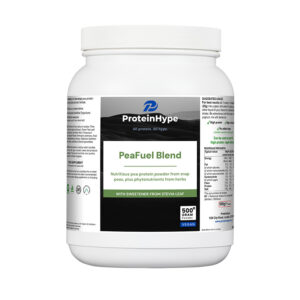
- Evaluate and Add: After two weeks, if you feel your energy dips during workouts or train later in the day, experiment with adding a pre-workout shake. Try PeaFuel Blend 90 minutes before your session.
- Listen to Your Body: Do you feel stronger? Recover faster? Use this feedback. Timing is personal; adjust based on how you feel and perform.
The Bottom Line
The “pre vs. post” debate isn’t about choosing one winner. It’s about understanding that they are two different tools for two different jobs.
Your journey to better results isn’t about complicated protocols. It starts with one simple, consistent action.
Start with the post-workout shake. Nail that habit first. Once that’s locked in, you can explore the added benefits of pre-workout fueling.
Ready to optimise your timing? Explore the full range of ProteinHype protein powders—from fast whey to slow plant blends—and equip yourself with the right tool for every part of your training.
What’s your strategy? After reading this, are you leaning towards pre-workout, post-workout, or using both? Share your choice and why in the comments below—it’s helpful for others making the same decision!
Note: This content is for informational purposes only and is not medical advice. Consult with a healthcare professional before making significant dietary changes, especially if you have pre-existing health conditions. Food supplements should not be used as a substitute for a varied, balanced diet.
Best Selling Protein Supplements
-

WheyFuel (Vanilla Flavour)
£25.99 — or subscribe to save 10% -
WheyFuel (Chocolate Flavour)
£25.99 — or subscribe to save 10% -
MealFuel (Chocolate Flavour)
£14.99 — or subscribe to save 10%