Let’s face it: we live in the age of optimisation. We track our sleep, our steps, our macros, and our heart rate variability. We’re constantly looking for that extra edge, that one missing piece of the puzzle. Is a multivitamin that piece? Or is it just another expensive bottle of brightly coloured pills that we’re told to buy?
The shelves are stacked with them, your favourite fitness influencer is probably promoting one, and your mate at the gym swears by his. But let’s strip away the marketing for a moment and look at the science, the data, and the real-world scenarios to figure out what’s actually worth your money.
What’s Actually in a Multivitamin?
Think of a multivitamin as a nutritional safety net. It’s designed to be a convenient way to get a broad spectrum of vitamins and minerals in one go. But here’s the thing: there’s no standard recipe. One brand’s multivitamin can look completely different from another’s, with different forms of nutrients and wildly varying doses.
When you flip over the bottle, you’ll usually see a list of nutrients with amounts in milligrams (mg) or micrograms (mcg). You’ll also see a percentage – that’s how much of the UK Reference Nutrient Intake (RNI) that dose provides. The RNI is the amount needed to meet the needs of 95% of healthy people.
But bigger isn’t always better. Many multivitamins contain amounts that far exceed what you need. Your body is smart; it takes what it needs and gets rid of the rest.
The Burning Question: Do You Need One?
This is where things get interesting. Let’s tackle the big question head-on, broken down by who you are and what your lifestyle looks like.
You Don’t Need One If…
You eat a varied, balanced diet. If your meals look like a rainbow of vegetables, you eat enough calories to fuel your day, and you’re not avoiding entire food groups, you’re probably already getting everything you need from food. Whole foods contain a complex mix of nutrients that work synergistically – something no multivitamin can perfectly replicate.
You Might Benefit If…
You follow a restrictive diet. If you’re vegan, vegetarian, or you’ve cut out a major food group (like dairy or meat), you have a genuine risk of missing out on key nutrients.
- Vegans are particularly at risk of a vitamin B12 deficiency because it’s only naturally found in animal products.
- Those who avoid red meat may not be getting enough iron.
- Those who avoid dairy may not be getting enough calcium or iodine.
You’re an older adult (over 60). As we age, a few things happen: our appetites often shrink, our stomach acid decreases (making it harder to absorb certain nutrients), and our bodies become less efficient. Research has even linked taking a multivitamin to slowing cognitive decline by up to two years.
You’re in a calorie deficit. When you cut calories, you’re not just cutting energy; you’re cutting the vitamins and minerals that come with that food. This is common for athletes preparing for competitions or anyone on a strict weight loss journey. A multivitamin can act as an insurance policy during these periods to ensure you’re not developing a deficiency.
You have a condition that affects your gut. Conditions like coeliac disease, Crohn’s disease, or ulcerative colitis can prevent your intestines from absorbing nutrients properly. In these cases, a multivitamin can help fill the gaps that food can’t.
You’re taking certain medications. This is a surprisingly common and overlooked factor. Some medications can actually deplete your body’s nutrient stores.
| Medication | Nutrients It Can Deplete |
|---|---|
| Proton Pump Inhibitors (e.g., omeprazole for acid reflux) | Vitamin B12, magnesium, calcium, iron |
| Metformin (for diabetes) | Vitamin B12, folate |
| The Pill / HRT | B vitamins, vitamin C, magnesium, zinc |
| GLP-1 injections (e.g., Wegovy, Ozempic) | Zinc, vitamin B12, vitamin D |
Vitamin D: The Exception to the Rule
There’s one vitamin that breaks all the rules: Vitamin D.
It’s not like other vitamins. You don’t get it easily from food. Your body makes it when your skin is exposed to sunlight. And if you live in the UK, you’re probably not getting enough. The NHS actually advises all adults to consider taking 10mcg of vitamin D daily, particularly during the autumn and winter months.
This is one case where the research is clear: supplementation is a good idea for most people, regardless of diet.
The Calcium and Magnesium Problem
Ever noticed that most multivitamins don’t seem to have much calcium or magnesium? There’s a good reason.
The recommended daily amount for calcium is around 800-1000mg, and for magnesium it’s about 300mg. That’s simply too much to fit into one small capsule alongside all the other nutrients. If your diet is lacking in these specific minerals, you’re better off taking them as individual supplements.
Targeted vs. General: Which is Better?
Imagine you have a leaky pipe in one specific part of your house. Would you replace the entire plumbing system, or just fix the leak? It’s a similar logic with nutrients.
If you know you have a specific problem – perhaps a blood test has shown you’re low in iron, or you know you don’t eat dairy so your calcium is likely low – it makes much more sense to take a targeted supplement for that specific nutrient. It’s more effective and often more cost-efficient than buying a one-size-fits-all multivitamin that might not have the right dose of what you actually need.
What to Look For (If You Decide to Take One)
Not all multivitamins are created equal. Here’s a quick checklist to help you pick a good one:
1. Choose a Reputable Brand
Look for a product that has been third-party tested. A seal from Informed Sport, NSF, or USP means what’s on the label is in the bottle, and it’s free from banned substances and harmful contaminants.
2. Check the Forms
Not all nutrients are absorbed equally. For example:
- Vitamin D3 is better than Vitamin D2.
- Magnesium citrate or glycinate is better absorbed than magnesium oxide.
- Methylated B12 (methylcobalamin) is more active in the body than the cheaper cyanocobalamin.
3. Look for Your Demographic
A multivitamin designed for a 25-year-old male athlete will look very different from one designed for a 70-year-old woman. Choose one that’s tailored to your age, sex, and life stage.
4. Don’t Overdo It
Avoid products with mega-doses. There is an upper limit for a reason, and for some nutrients, too much can be toxic (like fat-soluble vitamins A, D, E, and K). Vitamin A toxicity can cause liver damage, and too much iron can cause heart problems.
The Bottom Line
- If you eat well and feel healthy, you probably don’t need a multivitamin. Save your money.
- If you have a restricted diet, are over 60, are on a calorie deficit, have a gut condition, or take certain medications, a multivitamin can be a smart, practical safety net.
- Everyone should consider a Vitamin D supplement, especially in the UK from October to March.
- For specific deficiencies, target the problem directly rather than using a general multivitamin.
- When in doubt, get a blood test. It’s the only way to truly know what your body needs.
For expert guidance and a selection of clean, effective multivitamins, explore more on ProteinHype. Fuel your potential.
Note: This content is for informational purposes only and is not medical advice. Consult with a healthcare professional before making significant dietary changes, especially if you have pre-existing health conditions. Food supplements should not be used as a substitute for a varied, balanced diet.
Best Selling Protein Supplements
-

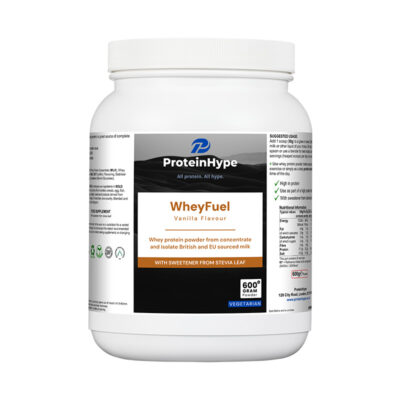
WheyFuel (Vanilla Flavour)
£25.99 — or subscribe to save 10% -
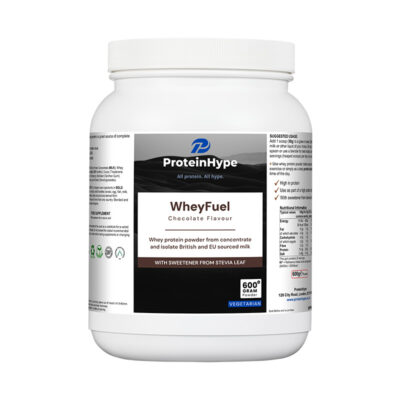
WheyFuel (Chocolate Flavour)
£25.99 — or subscribe to save 10% -
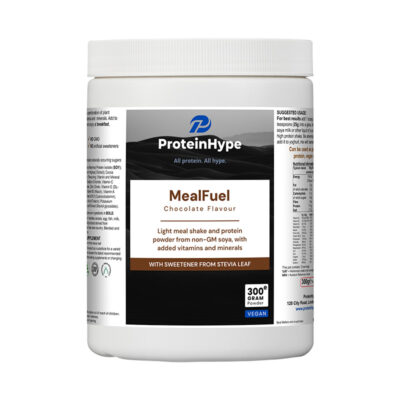
MealFuel (Chocolate Flavour)
£14.99 — or subscribe to save 10%