If you’ve spent any time in the gym or browsing sports nutrition, you’ve probably heard about BCAAs. They’re one of the most popular supplements on the market, but there’s often confusion about what they actually do and whether they’re worth your money.
Here’s the truth: BCAAs aren’t magic, but they are a genuinely useful tool when used correctly. This guide breaks down everything you need to know – from the science behind them to how to take them for the best results.
What Are BCAAs?
BCAAs stand for branched-chain amino acids. They’re a specific group of three essential amino acids: leucine, isoleucine, and valine .
The “essential” label matters. Your body can’t produce these amino acids on its own, so you must get them through your diet or supplements .
They’re called “branched-chain” because of their unique chemical structure, which features a side chain branching off to one side. This structure isn’t just a scientific curiosity – it’s what makes them metabolise differently from other amino acids. While most amino acids are processed in the liver, BCAAs are primarily broken down in your muscles . That’s why they have such a direct impact on muscle recovery and growth.
The Three BCAAs
Leucine is the big player here. It’s the most researched of the three and acts as the primary trigger for muscle protein synthesis (MPS) – the process your body uses to build new muscle tissue . Think of leucine as the key that starts the engine.
Isoleucine doesn’t get as much attention, but it’s equally important. It plays a key role in glucose uptake and energy regulation, helping fuel your muscles during training .
Valine supports muscle repair and protein metabolism. It also plays a role in reducing central fatigue, helping you stay mentally sharp during long sessions .
What Do BCAAs Actually Do?
BCAAs are often misunderstood. They’re not a replacement for protein, but they do serve specific, science-backed purposes.
1. Supporting Muscle Growth
Here’s where things get interesting. BCAAs alone aren’t enough to build significant muscle mass . You need all nine essential amino acids for that, which is why whole protein sources like chicken, eggs, or whey are non-negotiable.
However, BCAAs act as a “spark” that helps kickstart the muscle-building process . Leucine, in particular, activates the mTOR pathway – the key signalling route that tells your body to start synthesising protein .
2. Reducing Muscle Soreness (DOMS)
This is one of the most proven benefits. Studies show that BCAA supplementation can significantly reduce delayed onset muscle soreness (DOMS) after intense training . If you’ve ever struggled to walk down stairs after a heavy leg day, BCAAs might be your new best friend.
3. Fighting Off Fatigue
Ever felt your brain give out before your body does during a workout? That’s central fatigue, and BCAAs can help.
During exercise, your brain gets flooded with tryptophan, which converts to serotonin and makes you feel tired. BCAAs compete with tryptophan, helping keep you sharp and focused for longer .
4. Preserving Muscle While Dieting
When you’re in a calorie deficit, your body is more likely to break down muscle for fuel. BCAAs can help protect muscle tissue, making them particularly useful during fat loss phases .
Who Benefits Most from BCAAs?
BCAAs aren’t for everyone, but certain groups can benefit significantly:
People with lower protein intake – If you’re vegetarian, vegan, or often have low-protein meals, BCAAs can help “rescue” a meal that might not otherwise trigger muscle synthesis .
Those training fasted – Training on an empty stomach can increase muscle breakdown. BCAAs before or during a fasted session can help reduce this .
Anyone doing intense training blocks – When you’re pushing hard and training frequently, BCAAs can support recovery and reduce soreness .
People training at altitude – High altitude suppresses appetite and increases recovery demands, making BCAAs particularly useful .
When Should You Take BCAAs?
Your body can only process so many amino acids at once, so timing matters.
Before or during a workout: This is where BCAAs really shine. Studies suggest they can reduce muscle fatigue during a session – one study found fatigue was reduced by up to 15% .
After a workout: Taking BCAAs post-training helps kickstart recovery and may reduce soreness in the following days .
Spread throughout the day: If you’re supplementing a low-protein diet, spreading your intake across the day is sensible.
BCAA Dosage: How Much Should You Take?
As a general guide, 3-5g per serving is sufficient to stimulate muscle protein synthesis .
For best results, these should be consumed alongside other essential amino acids found in whole proteins. If you’re taking BCAA powder, that’s around one scoop per serving, up to a few times a day.
Some research suggests requirements may be as high as 144mg per kg of body weight daily – so around 11g for a 175lb male . But for most people, 3-5g around training is a solid starting point.
BCAA Food Sources
Supplements are convenient, but you can also get BCAAs from real food.
Animal sources: Chicken, beef, turkey, fish, eggs, and dairy .
Plant sources: Soy, beans, lentils, and nuts – though these tend to have lower BCAA concentrations .
If you’re getting enough quality protein daily (around 1.6g per kg of body weight), you’re probably already getting decent BCAAs.
ProteinHype Verdict
BCAAs are a useful tool, not a magic bullet.
They won’t replace a solid diet or a quality protein supplement. But used strategically – during training, around workouts, or to supplement low-protein meals – they can support recovery, reduce soreness, and help protect your hard-earned muscle.
When you should consider BCAAs:
- You’re training fasted
- You’re in a calorie deficit
- You’re vegetarian or vegan
- You’re training intensely and frequently
- You often have low-protein meals
When you probably don’t need them:
- You’re already getting plenty of high-quality protein
- You’re not training hard or frequently
- You eat a balanced diet with complete proteins
If you do decide to use them, look for a quality product with a 2:1:1 ratio of leucine, isoleucine, and valine – it’s the most researched and balanced option .
Ready to support your recovery? Browse our full range of amino acids supplements at ProteinHype. All our products are manufactured in the UK with research-backed formulations and clean ingredients. No fillers, no shortcuts – just effective nutrition.
Note: This content is for informational purposes only and is not medical advice. Consult with a healthcare professional before making significant dietary changes, especially if you have pre-existing health conditions. Food supplements should not be used as a substitute for a varied, balanced diet.
Best Selling Protein Supplements
-

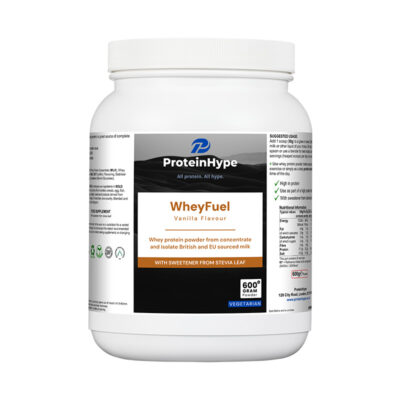
WheyFuel (Vanilla Flavour)
£25.99 — or subscribe to save 10% -
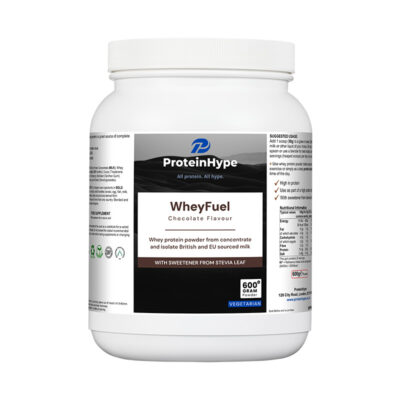
WheyFuel (Chocolate Flavour)
£25.99 — or subscribe to save 10% -
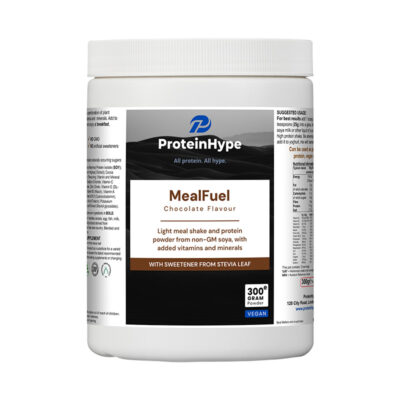
MealFuel (Chocolate Flavour)
£14.99 — or subscribe to save 10%