You’ve probably heard vitamin D called the “sunshine vitamin.” But what exactly is it, and why do so many people in the UK struggle to get enough?
Vitamin D is crucial for your immune system, muscles, and bones. Unlike most vitamins, your body can produce it naturally when sunlight hits your skin. The problem? Between October and March in the UK, the sun isn’t strong enough to make any vitamin D at all.
This article covers why vitamin D matters, the best food sources to top up your levels, and how a high-quality supplement can help you stay on track.
What is Vitamin D?
Vitamin D is an essential nutrient that helps regulate several processes in your body. There are two main forms: D2 (ergocalciferol) and D3 (cholecalciferol). While both can raise vitamin D levels in your blood, vitamin D3 is more effective and potent.
It’s best known for helping your body absorb calcium and phosphorus — the building blocks of strong bones and teeth. But its benefits go much further, supporting everything from your immune defences to your muscle recovery after training.
Key Benefits of Vitamin D
Recent research found that one in five people in the UK are deficient in vitamin D. Among athletes, that number jumps to more than half. Here’s why that matters.
1. Supports Your Immune System
Vitamin D plays a critical role in keeping your immune system working properly. A strong immune system helps your body fight off illness, keeping you healthy and consistent with your training.
2. Maintains Strong Bones and Muscles
Vitamin D helps your body absorb calcium and phosphorus — the main building blocks of bones. It also supports normal muscle function, making it vital for athletes and anyone with an active lifestyle.
Studies show that vitamin D supplementation can improve both resistance and cardiovascular exercise performance. It also aids recovery after intense training.
3. Supports Mood and Energy
Low vitamin D levels are linked to fatigue and low mood. Topping up your levels, especially during dark winter months, can help you feel more energised and focused.
Where Do We Get Vitamin D?
There are three main sources: sunlight, food, and supplements.
Sun exposure: Your skin produces vitamin D when exposed to UV rays. But in the UK from October to March, sunlight isn’t strong enough. Even in summer, factors like cloud cover, sunscreen, and time spent indoors limit production.
Food: Very few foods naturally contain vitamin D. That’s why relying on diet alone is tough.
Supplements: The most reliable way to maintain healthy levels year-round, especially during autumn and winter.
5 Best Food Sources of Vitamin D
While food alone won’t solve a deficiency, these five sources are your best bet for topping up naturally.
1. Cod Liver Oil
Cod liver oil is the undisputed champion of dietary vitamin D. Just one tablespoon provides up to 35mcg of vitamin D — more than three times the NHS recommended daily amount of 10mcg.
It’s also packed with omega-3 fatty acids, which support brain and heart health. Not everyone loves the taste, but the nutritional payoff is enormous.
2. Salmon and Trout
Oily fish are your next best bet. A 100g serving of salmon or trout provides between 14 and 17mcg of vitamin D.
Both are also rich in high-quality protein and omega-3s, plus vitamin B12, which supports DNA formation, red blood cells, and your central nervous system.
3. Mushrooms (Sun-Exposed)
Here’s a plant-based option that surprises many people. Mushrooms exposed to direct sunlight can provide up to 10mcg of vitamin D per 50g serving.
This is great news for anyone following a vegan or vegetarian diet. Mushrooms also contain fibre, plant protein, and phytochemicals — unique compounds that support immune health.
Pro tip: Leave your mushrooms on a sunny windowsill for 30 minutes before cooking. It naturally boosts their vitamin D content.
4. Eggs (Whole)
Eggs are protein powerhouses, and they also provide a decent amount of vitamin D — around 1 to 1.5mcg per egg.
Fun fact: the yolk, which looks a bit like a tiny sun, is where all the vitamin D is stored. Eggs are also rich in vitamin B12 and monounsaturated fats, which support heart health when they replace less healthy fats in your diet.
5. Fortified Foods and Plant Milks
Many foods are fortified with vitamin D, including breakfast cereals, orange juice, and plant-based milks like oat, soya, and almond milk.
You can expect 2 to 4mcg per serving. These are an easy way to add small amounts of vitamin D to your daily routine without thinking about it.
How Much Vitamin D Do You Need?
The NHS recommends that adults and children over one year old get 10 micrograms (mcg) of vitamin D per day.
However, many experts believe this is the bare minimum to prevent severe deficiency. For optimal immune, bone, and muscle function — especially if you train hard — higher levels may be beneficial.
From October to March, it’s nearly impossible to get enough from sunlight alone. Food helps, but most people need a supplement to consistently hit their daily target.
Why Supplements Are the Smart Solution
Let’s be honest. Getting enough vitamin D from food and sunlight alone is hard. Oily fish is expensive. Mushrooms need specific preparation. And the UK sun disappears for half the year.
That’s where a high-quality supplement comes in.
Enter LipoVita D3 + K2+ from ProteinHype
LipoVita D3 + K2+ isn’t your average vitamin D supplement. Here’s what makes it different.
Liposomal delivery: Most vitamin D supplements are poorly absorbed. LipoVita uses liposomal technology — tiny phospholipid bubbles that protect vitamin D and K2 from stomach acids. This means more of the nutrient actually reaches your bloodstream.
Vitamin D3 + K2 together: Vitamin D helps your body absorb calcium. Vitamin K2 tells that calcium where to go — into your bones and teeth, not your arteries. Taking them together is a game-changer for bone and heart health.
High strength: Each 1ml dropper provides 4000 IU (100mcg) of vitamin D3 plus 100μg of vitamin K2 (MK-7). That’s ten times the NHS recommendation in one easy dose.
Vegan and clean: Sourced from algae, not sheep’s wool (lanolin). Natural apple and vanilla flavour. No artificial junk.
60 servings per bottle: One bottle lasts two months with daily use.
If you’re serious about your health, training, or just want to avoid the winter slump, LipoVita D3 + K2+ is the upgrade your supplement stack needs.
Quick Summary
Here’s how the top vitamin D sources compare. Cod liver oil leads the pack with 35mcg per tablespoon. Salmon and trout follow with 14 to 17mcg per 100g serving. Sun-exposed mushrooms can deliver up to 10mcg per 50g. A single egg provides 1 to 1.5mcg. Fortified plant milks offer 2 to 4mcg per serving. And LipoVita D3 + K2+ delivers 100mcg in just one dropper — making it the most convenient and potent option by far.
Take-Home Message
Vitamin D is essential for your immune system, muscles, and bones. But in the UK, sunlight isn’t reliable for half the year, and food alone won’t fill the gap.
Here’s what you need to remember:
- Sunlight is the primary source, but it’s not enough from October to March.
- Oily fish, eggs, mushrooms, and fortified foods help, but they won’t solve a deficiency on their own.
- A high-quality supplement like LipoVita D3 + K2+ is the most reliable way to maintain healthy levels all year round.
Don’t let low vitamin D levels hold back your energy, immunity, or training progress. A simple daily dropper is all it takes to stay on top of your game.
Note: This content is for informational purposes only and is not medical advice. Consult with a healthcare professional before making significant dietary changes, especially if you have pre-existing health conditions. Food supplements should not be used as a substitute for a varied, balanced diet.
Best Selling Protein Supplements
-

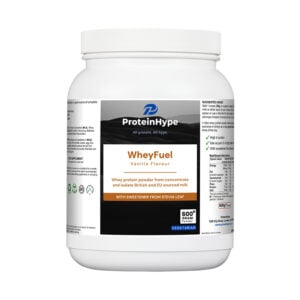
WheyFuel (Vanilla Flavour)
£25.99 — or subscribe to save 10% -
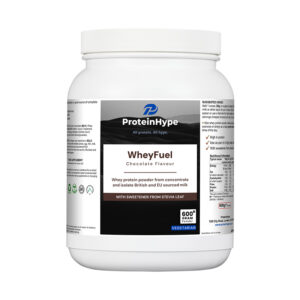
WheyFuel (Chocolate Flavour)
£25.99 — or subscribe to save 10% -
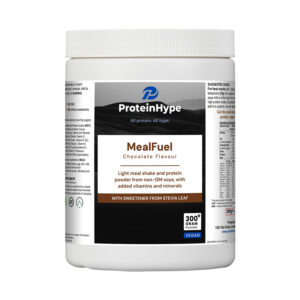
MealFuel (Chocolate Flavour)
£14.99 — or subscribe to save 10%